Factory Closures Signal a Deepening Crisis
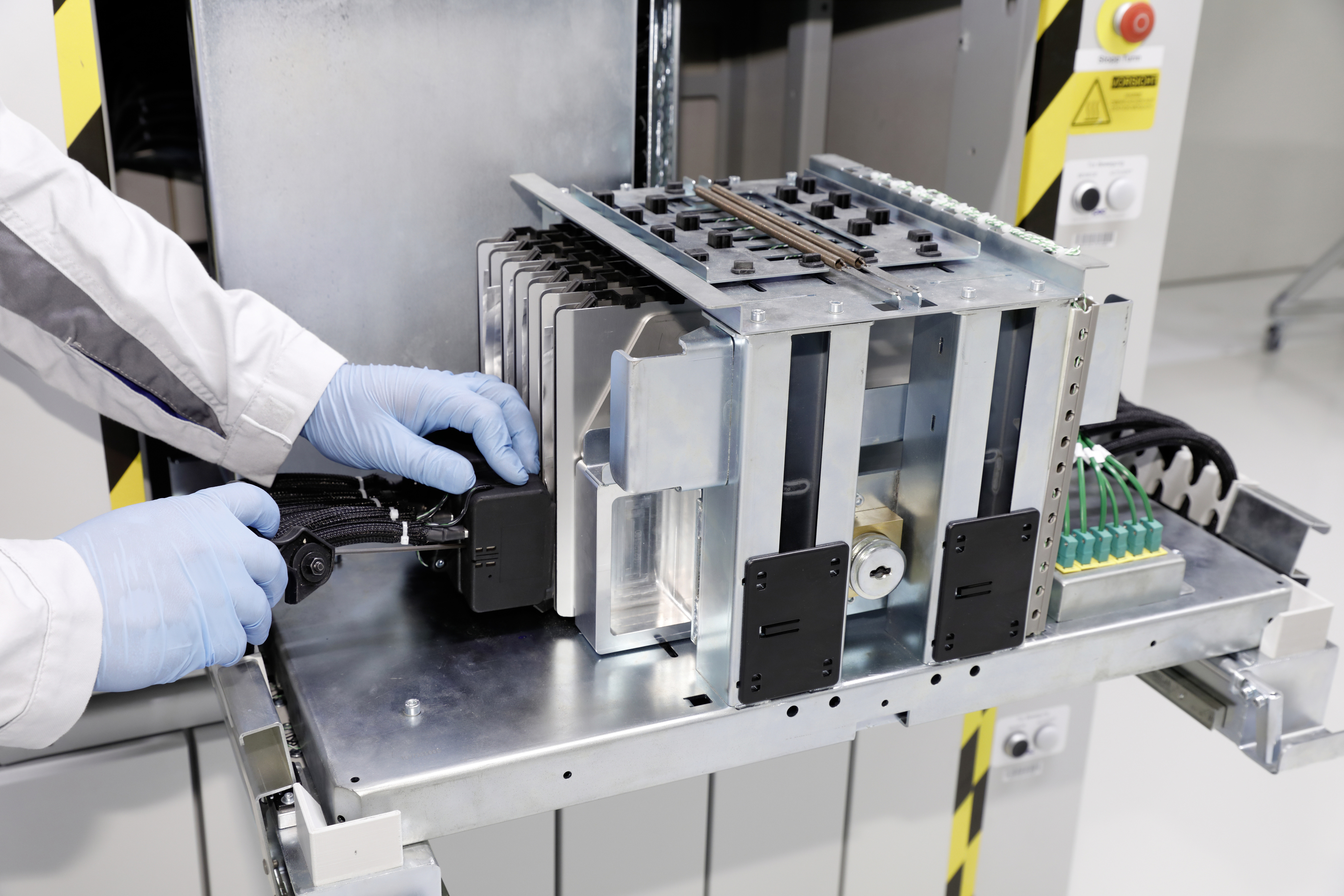
Europe's dream of building a self-sufficient battery industry to support its electric vehicle transition is unraveling. A growing number of battery manufacturing plants across the continent are closing or scaling back operations, unable to compete with Chinese rivals that produce cells at significantly lower cost. The closures come at a particularly awkward moment for European policymakers who have spent years and billions of euros promoting domestic battery production as essential to the continent's industrial sovereignty and climate goals.
The scale of the setback is becoming difficult to downplay. Projects that were announced with great fanfare just two or three years ago are being delayed, downsized, or abandoned entirely. Companies that received substantial public subsidies to build European battery capacity are now reassessing whether the economics can work in a market where Chinese manufacturers enjoy structural advantages in raw material processing, manufacturing scale, and labor costs.
The Chinese Cost Advantage
At the heart of Europe's battery problem is a cost gap that has proven far more persistent and difficult to close than many industry observers expected. Chinese battery manufacturers, led by giants like CATL and BYD, have driven cell costs to levels that European competitors struggle to match. This advantage stems from multiple factors: decades of government-supported investment in the supply chain, massive production scale, lower labor costs, and preferential access to critical minerals like lithium, cobalt, and nickel.
Chinese companies have also moved faster to adopt next-generation battery chemistries, particularly lithium iron phosphate (LFP) cells that use cheaper and more abundant materials than the nickel-rich chemistries favored by many European and Korean manufacturers. LFP cells are now the dominant chemistry in China's domestic EV market and are increasingly being adopted by Western automakers seeking to reduce costs. This chemistry shift further erodes the competitiveness of European battery plants that were designed around older, more expensive cell technologies.
EV Demand Slowdown Compounds the Problem
The European battery industry's woes are compounded by a slowdown in electric vehicle demand across the continent. After several years of rapid growth driven by generous subsidies and tightening emissions regulations, EV sales have plateaued in many European markets. High vehicle prices, concerns about charging infrastructure, and the premature removal of purchase incentives in some countries have dampened consumer enthusiasm.
This demand softness creates a vicious cycle for domestic battery manufacturers. Lower-than-expected EV sales mean lower demand for batteries, which means factories operate below capacity, which drives up per-unit costs, which makes domestic cells even less competitive against imports. Battery plants need to run at high utilization rates to achieve the economies of scale necessary to compete on cost, and the current demand environment makes that difficult.
Automakers Caught in the Middle
European automakers face an agonizing strategic dilemma. Many have publicly committed to sourcing batteries domestically or regionally as part of broader sustainability and supply chain resilience strategies. But these commitments run headlong into the reality that domestic cells often cost 20 to 40 percent more than equivalent Chinese products. In a price-sensitive market where consumers are already balking at EV sticker prices, absorbing that premium is commercially difficult.
Some automakers are quietly expanding their relationships with Chinese battery suppliers, even as they continue to publicly support European production. Others are pushing back against EU regulations that mandate domestic content requirements or impose tariffs on Chinese batteries, arguing that such measures will raise vehicle prices and slow EV adoption — the opposite of what climate policy demands.
The Policy Response
European policymakers are grappling with how to respond to the battery crisis without either abandoning industrial policy goals or propping up uncompetitive companies with indefinite subsidies. The European Commission has approved billions in state aid for battery projects under the Important Projects of Common European Interest (IPCEI) framework, but the effectiveness of these programs is now being questioned.
Some policy experts argue that Europe needs to fundamentally rethink its approach. Rather than trying to compete head-to-head with China in commodity cell manufacturing, Europe might focus on higher-value segments of the battery value chain: advanced cell chemistries, battery management software, recycling and second-life applications, and the design of battery systems optimized for European vehicles and driving conditions. This strategy would concede volume manufacturing to Asia while preserving European competitiveness in areas that command higher margins.
What Comes Next
The trajectory of Europe's battery industry will be shaped by decisions made over the next 12 to 18 months. If additional factories close and investment continues to flee, the continent could find itself permanently dependent on imported batteries for its electric vehicle fleet — a strategic vulnerability that would undermine both industrial autonomy and the credibility of European climate policy. If, on the other hand, policymakers and industry can identify a viable niche and support it with targeted investment, Europe may salvage a meaningful role in the global battery supply chain.
The outcome matters far beyond the battery sector itself. Electric vehicles are central to Europe's decarbonization strategy, and batteries are the most expensive and strategically important component in every EV. A European auto industry that cannot access competitive battery supplies will struggle to compete globally, with consequences for millions of manufacturing jobs and the continent's position in the world economy. The battery crisis is, at its core, an industrial crisis — and the clock is ticking on Europe's ability to respond.
This article is based on reporting by Automotive News. Read the original article.
Originally published on autonews.com