Roman is being built to push exoplanet science far past the solar neighborhood
NASA says its Nancy Grace Roman Space Telescope is expected to reveal around 100,000 worlds, a scale that would dramatically expand the known exoplanet census and widen the range of galactic environments scientists can study. The mission’s goal is not just to find more planets. It is to find them in places the current catalog barely reaches.
That is why Roman stands out from previous waves of exoplanet discovery. Most of the nearly 6,300 known exoplanets were found relatively close to Earth in cosmic terms, generally within a few thousand light-years. Roman is designed to probe much farther, including deep into the Milky Way’s crowded galactic bulge and toward more distant regions on the far side of the galaxy.
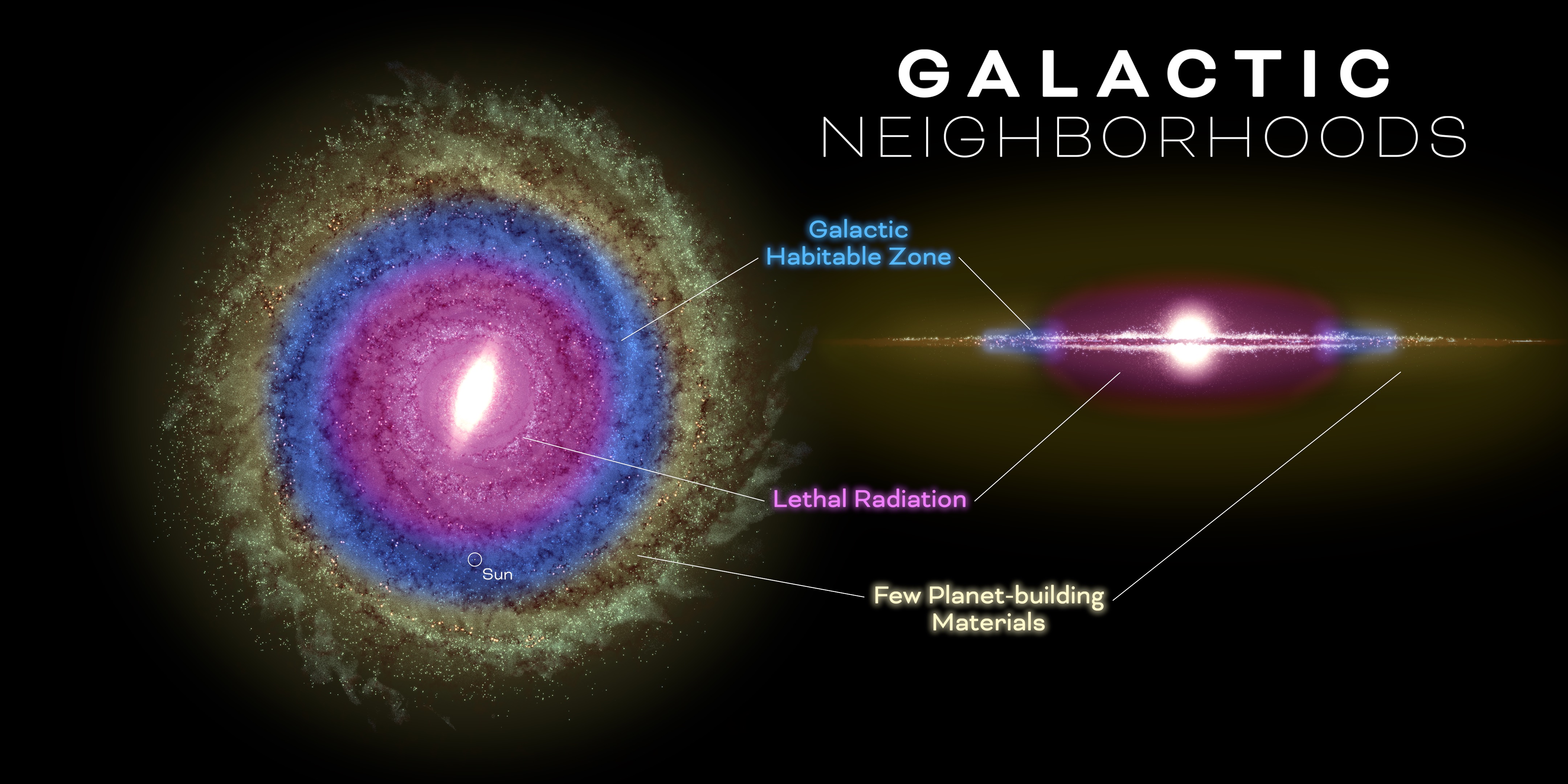
By extending the search into new environments, the telescope could help answer a more ambitious question than how many exoplanets exist. It could begin to show how planet formation changes across the Milky Way, where conditions differ sharply in radiation, stellar density, and the abundance of elements that help build rocky worlds.
A different map of planetary systems
NASA’s description of the mission highlights a central scientific shift: the galaxy is not one uniform setting for planet formation. The dense central regions contain more of the heavy elements used to build planets, but they are also flooded with harsh radiation from tightly packed stars. The outer reaches of the Milky Way offer a gentler radiation environment, but with fewer planet-forming materials. Between those extremes lies the so-called galactic habitable zone, where conditions may be more balanced.
Roman will give researchers a way to compare those environments through actual planetary data rather than theory alone. If the telescope finds that planets are more common, larger, rarer, or structurally different in one region than another, that would reshape how astronomers think about the Milky Way as a planetary system. Instead of treating Earth’s neighborhood as typical, scientists may have to place it within a much more varied galactic picture.
That broader view matters because current exoplanet science still carries a local bias. The planets we know best are those easiest to detect with existing missions and observatories. Roman is designed to loosen that constraint by surveying stars across a much deeper slice of the galaxy.
How Roman will find so many worlds
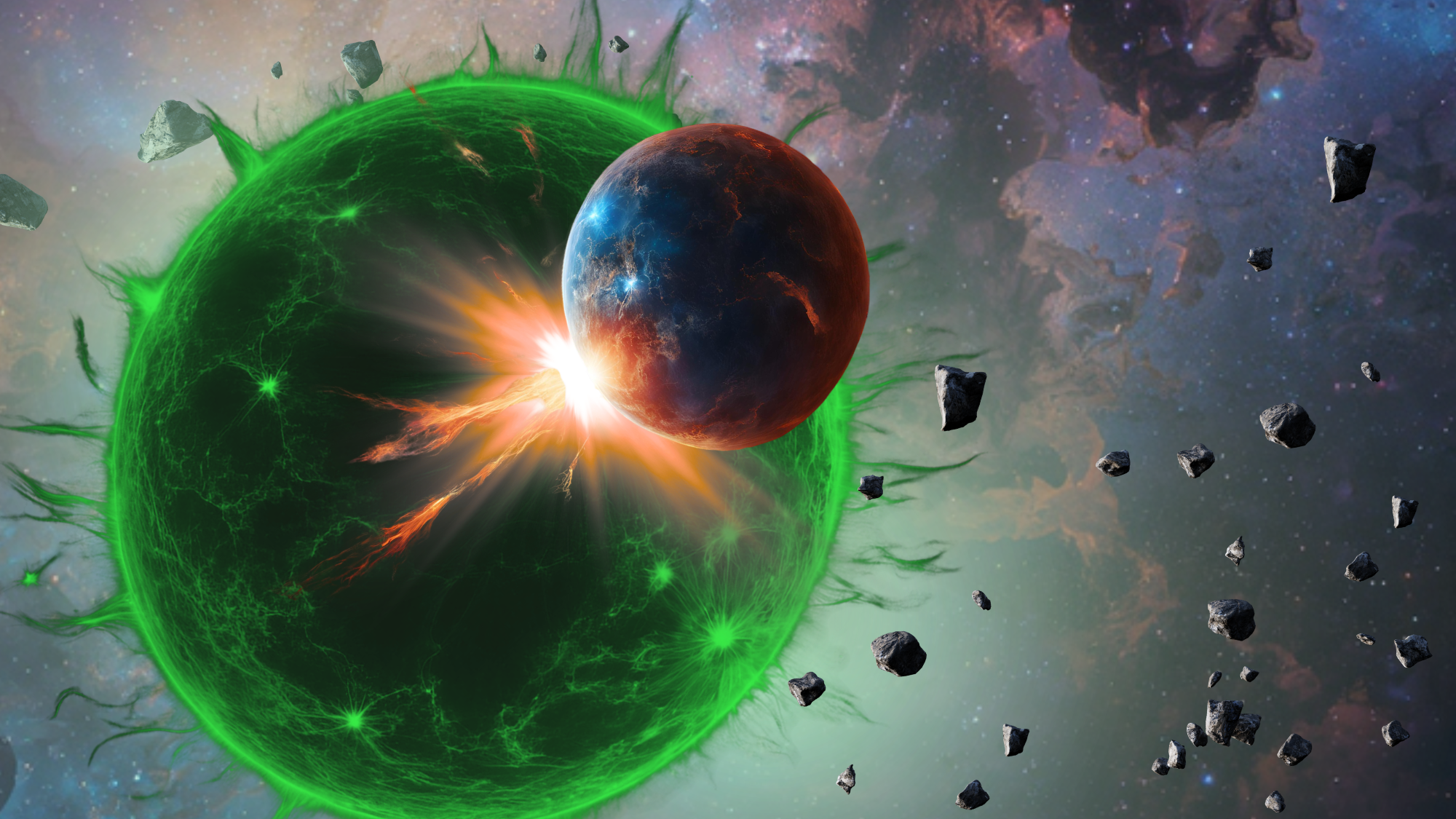
NASA says Roman will monitor stars and look for changes in brightness. Some stars dim when planets transit, or pass in front of them. Others temporarily brighten because the gravity of an intervening star and any orbiting planets bends and magnifies the background light. That second technique, known as microlensing, is especially important for finding planets in regions and orbital arrangements that are difficult to study with other methods.
Together, those observations could deliver an unusually diverse planetary haul. Roman is not simply expected to add more examples of the same kinds of worlds already dominating current catalogs. It is expected to expand the sample into underexplored parts of the Milky Way and help fill in missing types of planetary systems.
The number alone is striking. A projection of around 100,000 worlds would represent a staggering increase over the current tally and make Roman one of the most productive exoplanet missions ever attempted. But quantity is only part of the story. The more important gain may be statistical reach. With a much larger and more geographically varied set of planetary detections, researchers can start comparing planetary populations rather than relying on a narrower set of case studies.
Why this mission could change the field
Exoplanet science has moved quickly over the last two decades, but it still wrestles with a basic limitation: most discoveries do not yet provide a representative view of the galaxy. Roman could begin to correct that. If it works as planned, the telescope will allow scientists to ask not only where planets are, but what kinds of galactic neighborhoods produce them most readily and which environments may be more favorable for complex planetary evolution.
NASA also frames the mission as a way to learn more about Earth’s birthplace in a galactic sense. That does not mean Roman will identify an Earth twin in the simple, popularized sense of the phrase. It means the telescope may show whether the conditions around our solar system are ordinary or unusual when placed against the much larger backdrop of the Milky Way.
That perspective is one reason Roman is scientifically important even before launch. It is being built to shift exoplanet research from a nearby sample toward a galaxy-wide comparison. If it succeeds, the mission could change the field from a cataloging exercise into a deeper investigation of how planetary systems emerge across very different cosmic habitats.
For a discipline still young enough to be transformed by every new observing method, that is a consequential step. Roman is not just promising more worlds. It is promising a new way to understand where worlds come from.
This article is based on reporting by NASA. Read the original article.
Originally published on nasa.gov