Las estrellas jóvenes podrían ser menos hostiles de lo que los científicos pensaban
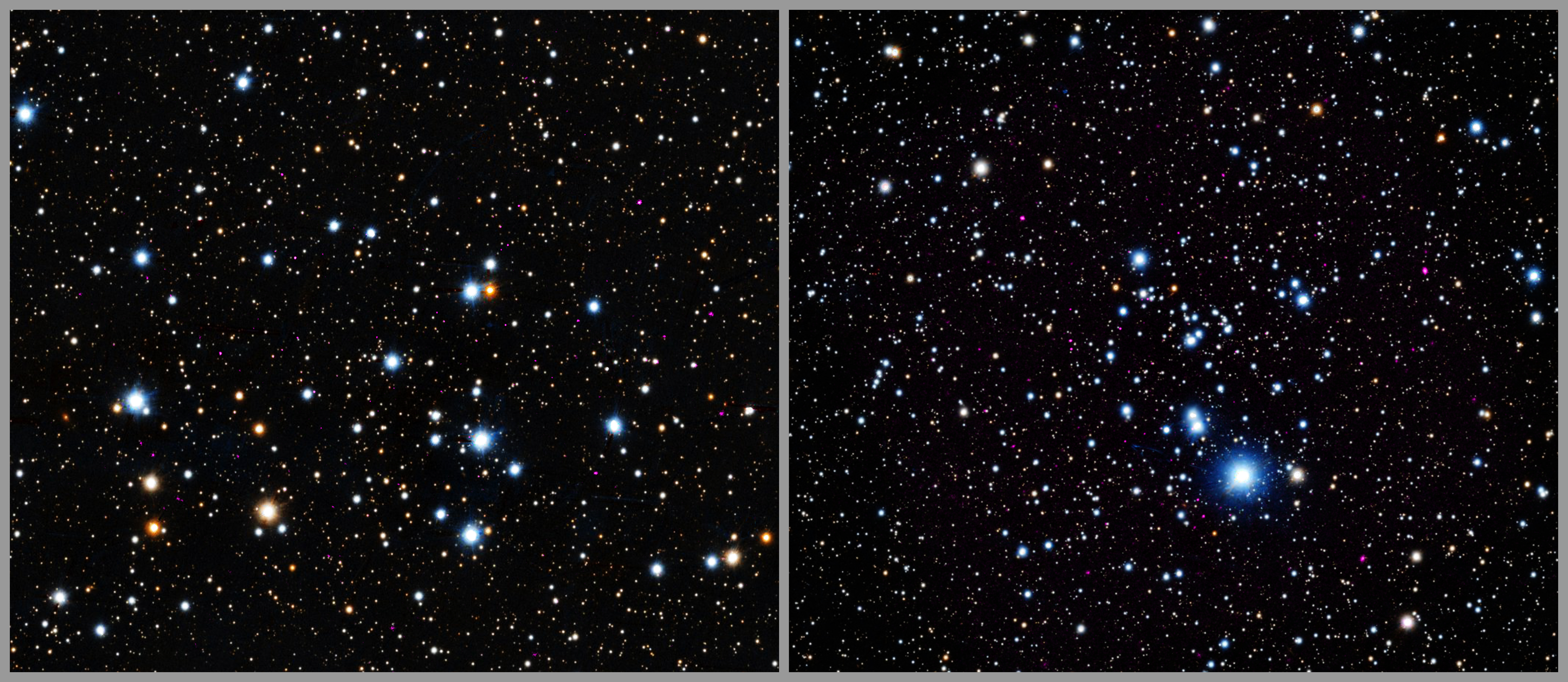
Nuevos resultados del Observatorio de Rayos X Chandra de la NASA sugieren que las estrellas jóvenes parecidas al Sol pierden parte de su furia inicial más rápido de lo esperado. En un estudio destacado por la NASA, los investigadores examinaron ocho cúmulos estelares que abarcan desde 45 millones hasta 750 millones de años y descubrieron que estas estrellas emitían solo alrededor de una cuarta parte a un tercio de los rayos X que los científicos habían anticipado.
Eso importa porque la radiación de rayos X es una parte importante de la influencia perturbadora de una estrella joven sobre los mundos cercanos. Las estrellas en su juventud suelen ser más activas y energéticas que en etapas posteriores de su vida. Si su producción de rayos X disminuye antes o con más fuerza de lo esperado, los planetas que las orbitan podrían enfrentar un entorno menos castigador durante un período que puede ser importante para el desarrollo atmosférico y la habitabilidad a largo plazo.
Qué observó Chandra
El comunicado de la NASA se centra en observaciones de dos cúmulos estelares abiertos, Trumpler 3 y NGC 2353, y señala que el estudio más amplio examinó en total ocho cúmulos. El rango de edades cubierto es considerable: 45 millones de años en el extremo más joven y 750 millones de años en el más antiguo. Ese intervalo permite a los científicos comparar estrellas en múltiples etapas después de su formación y seguir cómo cambia la actividad estelar con el tiempo.
El enfoque está en estrellas descritas como jóvenes primas estelares del Sol. Esa forma de expresarlo es importante. En lugar de observar un conjunto aleatorio de estrellas, el estudio se ocupa de estrellas parecidas al Sol cuya evolución puede ayudar a los científicos a entender tanto el pasado de nuestra propia estrella como las condiciones que pueden existir alrededor de estrellas similares en otras partes de la galaxia.
El resultado principal es simple pero sorprendente: estas estrellas son más débiles en rayos X de lo que se pensaba anteriormente. La NASA dice que la emisión medida fue solo alrededor de una cuarta parte a un tercio de las expectativas. En términos prácticos, eso significa que las suposiciones anteriores sobre la intensidad de esta etapa de la vida estelar quizá sobreestimaron cuánto tiempo permanecen estas estrellas especialmente radiativas en emisiones de alta energía.

Por qué importan los rayos X para los planetas
Los rayos X no son solo un detalle astronómico. Modelan los entornos alrededor de las estrellas. La radiación de alta energía puede afectar las atmósferas planetarias, impulsar cambios químicos y aumentar el estrés que soporta cualquier mundo que trate de retener una envoltura estable de gases. Por esa razón, la intensa juventud estelar se ha considerado a menudo un desafío para la habitabilidad.
El resumen de la NASA hace explícita la implicación: este enfriamiento más rápido beneficia las perspectivas de vida en los planetas en órbita, no las amenaza. Esa formulación es notable porque replantea la imagen habitual. En lugar de ver la actividad estelar temprana solo como una fuerza destructiva, el nuevo resultado sugiere que la fase más peligrosa puede disminuir antes de lo esperado en las estrellas parecidas al Sol.
Eso no significa que cada planeta alrededor de una estrella joven se convierta de repente en una cuna probable de vida. El comunicado no hace una afirmación tan amplia, y el estudio tal como se presenta aquí no borra las muchas otras variables que determinan si un planeta puede ser habitable. Pero sí mejora una parte de la ecuación. Si las emisiones de alta energía disminuyen más rápido, los planetas pueden tener una mejor oportunidad de conservar atmósferas o desarrollar condiciones superficiales más estables a medida que sus estrellas anfitrionas maduran.
Una nueva mirada a la juventud del Sol
Debido a que el estudio trata sobre estrellas parecidas al Sol, el trabajo también tiene implicaciones para comprender la historia temprana de nuestro propio sistema solar. Hoy el Sol es mucho más tranquilo de lo que fue en su juventud, pero los astrónomos reconstruyen esa historia de forma indirecta estudiando estrellas similares en distintas edades. Si esos análogos son menos brillantes en rayos X de lo esperado, entonces los modelos del comportamiento del joven Sol también podrían necesitar ajustes.
Eso podría influir en la forma en que los investigadores piensan sobre la Tierra primitiva y las condiciones más amplias en las que surgió la vida aquí. El resumen de la NASA no llega a tanto detalle, pero la lógica es clara: las mediciones revisadas de análogos solares jóvenes retroalimentan la manera en que los científicos imaginan el entorno del sistema solar temprano.
También afecta la búsqueda de vida en otros lugares. La ciencia moderna de exoplanetas depende cada vez más de comprender a las estrellas anfitrionas, no solo a los planetas. Un planeta rocoso en una órbita nominalmente favorable puede seguir siendo un mal candidato para la habitabilidad si su estrella es demasiado volátil durante demasiado tiempo. Resultados como estos, por tanto, cambian la selección de objetivos, la interpretación y el modelado a largo plazo.

Por qué son útiles los estudios de cúmulos
Los cúmulos estelares ofrecen un laboratorio poderoso para este tipo de trabajo porque reúnen estrellas de edades aproximadamente similares en un solo lugar. Eso facilita comparar el comportamiento estelar entre poblaciones mientras se controla, al menos en parte, la edad. Al muestrear múltiples cúmulos a lo largo de una amplia línea temporal, los científicos pueden reconstruir cómo evoluciona la actividad en lugar de depender de ejemplos aislados.
El uso de ocho cúmulos refuerza la importancia del resultado presentado en el resumen de la NASA. En lugar de depender de un solo grupo inusual, el hallazgo surge de un conjunto más amplio de observaciones. El comunicado no ofrece la metodología completa ni la discusión estadística, pero claramente enmarca el estudio como una mirada amplia a cómo cambian las estrellas jóvenes parecidas al Sol.
Chandra es especialmente adecuado para esta tarea porque observa el universo en rayos X, una banda que revela procesos calientes y energéticos invisibles en las imágenes ópticas normales. Cuando los astrónomos quieren entender la actividad estelar en altas energías, los observatorios de rayos X son indispensables.
Un universo temprano más tranquilo para algunos mundos
La conclusión más importante no es solo que algunas estrellas sean más débiles de lo esperado. Es que la línea temporal del apaciguamiento estelar puede necesitar ajustes, y ese ajuste favorece la estabilidad planetaria. El resumen de la NASA es prudente pero optimista: la menor emisión de rayos X de las estrellas jóvenes parecidas al Sol es una buena noticia para las perspectivas de vida en sus planetas en órbita.
En una era en la que los debates sobre habitabilidad suelen enfatizar los peligros, este estudio añade un contrapeso útil. El espacio sigue siendo hostil, y las estrellas jóvenes siguen siendo activas, pero la evidencia presentada aquí sugiere que al menos algunas primas solares podrían calmarse antes de lo que los astrónomos habían supuesto. Eso no garantiza vida en ningún lugar. Sin embargo, sí hace que los entornos alrededor de algunas estrellas jóvenes parezcan menos hostiles que la imagen anterior.
Para la ciencia planetaria, eso representa un cambio significativo. Para la astronomía en general, es un recordatorio de que mejores mediciones pueden revisar no solo lo que sabemos sobre las estrellas en sí, sino también cómo pensamos sobre las posibilidades de que la vida perdure a su alrededor. El resultado más reciente de Chandra hace exactamente eso, reduciendo la distancia entre la física estelar y una de las preguntas más grandes de la ciencia: dónde, y bajo qué condiciones, la vida podría perdurar más allá de la Tierra.
Este artículo se basa en un reportaje de la NASA. Leer el artículo original.

Originally published on nasa.gov