NASA vuelve al camino del vuelo tripulado en el espacio profundo
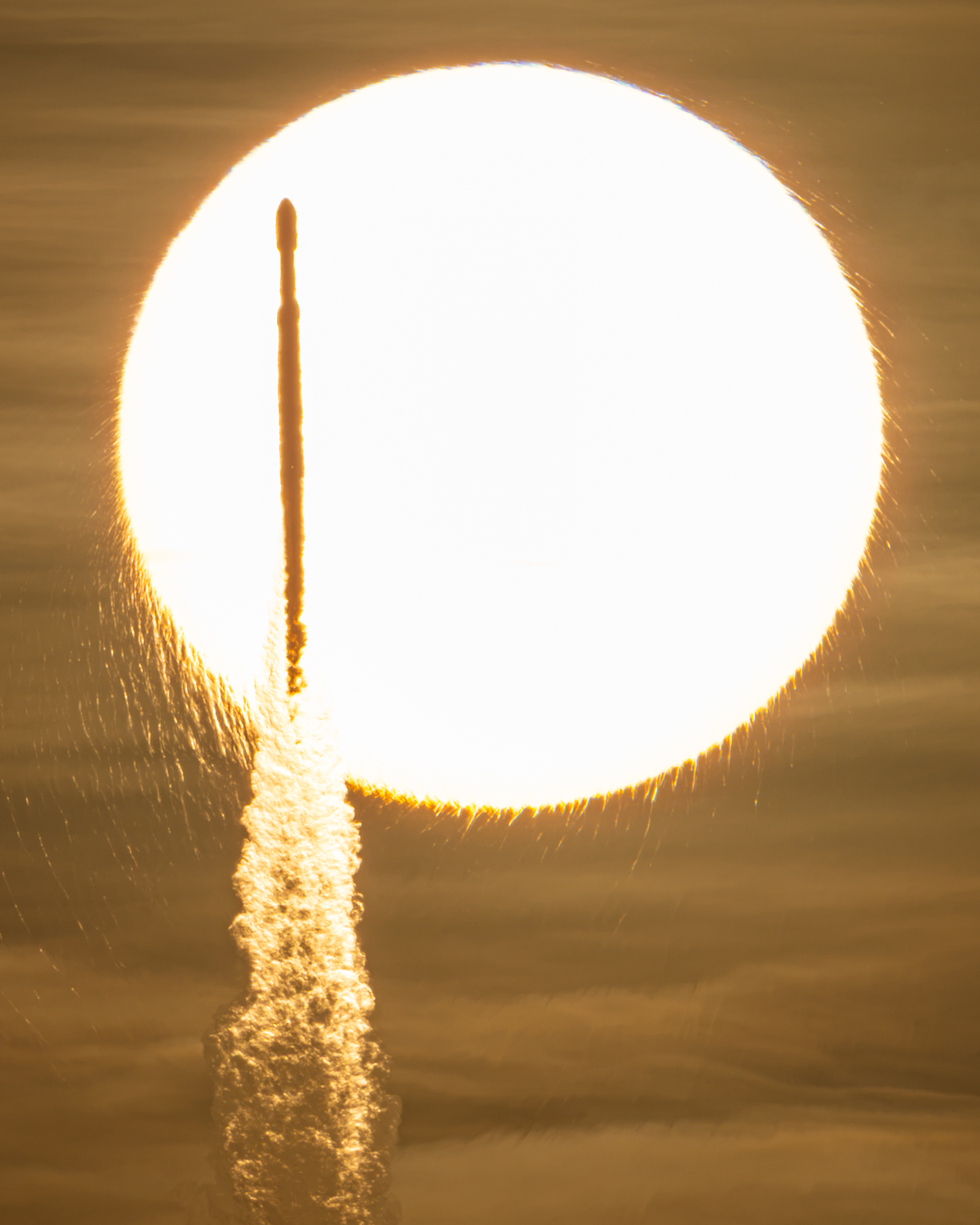
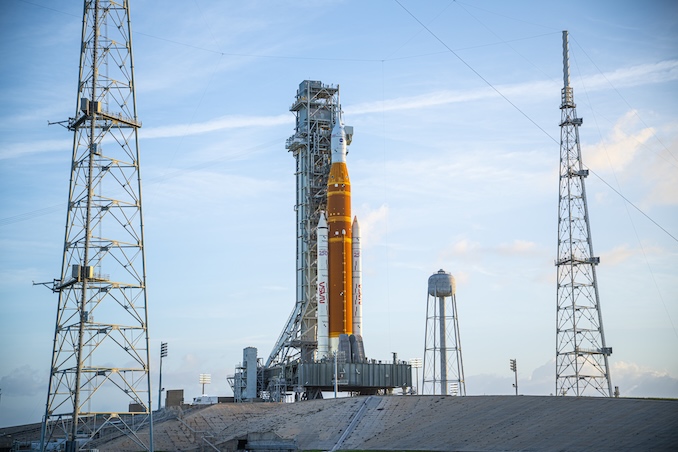
NASA se prepara para lanzar Artemis 2 el 1 de abril de 2026, una misión que enviaría a cuatro astronautas alrededor de la Luna y de regreso en el primer viaje tripulado más allá de la órbita terrestre baja desde la era Apolo. Según la cobertura previa al lanzamiento de Spaceflight Now, el despegue está programado para las 6:24 p. m., hora de verano del Este, el miércoles 1 de abril, desde el Complejo de Lanzamiento 39B, con una ventana de lanzamiento de dos horas para una misión que se espera dure más de nueve días.
La misión es importante en varios niveles a la vez. Es el primer vuelo tripulado de la nave espacial Orion, una prueba importante de la arquitectura de vuelos espaciales tripulados de NASA tras el transbordador, y un regreso simbólico a operaciones a distancia lunar después de más de 53 años. También pretende ser un vuelo de demostración para la campaña Artemis más amplia, que NASA vincula con futuros aterrizajes lunares, una estrategia de base lunar a más largo plazo y eventuales misiones humanas más adentro del espacio profundo.
La tripulación y el perfil de la misión
Artemis 2 está comandada por el astronauta de NASA Reid Wiseman. La tripulación también incluye a los astronautas de NASA Victor Glover y Christina Koch, junto con el astronauta de la Agencia Espacial Canadiense Jeremy Hansen. Su vuelo llevaría a Orion en una trayectoria de sobrevuelo lunar en lugar de un intento de aterrizaje, pero la importancia operativa sigue siendo sustancial. NASA debe validar los sistemas de la nave, los procedimientos de la tripulación, las comunicaciones y las operaciones de la misión en el espacio profundo antes de avanzar hacia objetivos posteriores en la superficie lunar.
Eso convierte a Artemis 2 tanto en una misión de destino como en una demostración de sistemas. El éxito no se juzgará solo por si Orion alcanza la distancia lunar y regresa con seguridad, sino por cómo se desempeña la nave a lo largo de toda la misión. Cada etapa tiene peso estratégico porque el vuelo sirve como puente entre una demostración no tripulada y objetivos lunares tripulados más ambiciosos.
Según el informe de la fuente, también se espera que la misión supere el récord de distancia establecido por Apollo 13 en 1970. Ese detalle refuerza el marco histórico de la misión. Artemis 2 no es simplemente un regreso conmemorativo al espacio cis-lunar. Está diseñada para empujar una nave espacial moderna y a su tripulación a un régimen operativo que NASA no ha navegado con astronautas durante generaciones.
Estado de la cuenta regresiva y condiciones de lanzamiento
La cuenta regresiva formal comenzó a las 4:44 p. m. EDT del lunes 30 de marzo de 2026, con decisiones sobre combustible y evaluaciones meteorológicas alineadas como las últimas puertas críticas antes del lanzamiento. Spaceflight Now informó que el director de lanzamiento de Artemis, Charlie Blackwell-Thompson, tenía previsto dar la aprobación para proceder al abastecimiento a las 7:34 a. m. EDT del 1 de abril.
El clima siguió siendo una de las principales incertidumbres. El 45th Weather Squadron pronosticó una probabilidad del 20% de una violación de las condiciones meteorológicas durante la ventana de lanzamiento del miércoles. El oficial de meteorología de lanzamiento Mark Burger dijo que las principales preocupaciones incluían una posible interferencia de cúmulos y vientos fuertes en superficie, aunque también describió las condiciones como relativamente favorables en general. A lo largo del corredor de ascenso, el informe describió las probabilidades de riesgo como bajas y el panorama como muy favorable para seguir adelante.
Estos detalles importan porque Artemis 2 no es un lanzamiento rutinario. El Space Launch System es un vehículo enorme, y los requisitos de seguridad de la tripulación elevan el umbral de condiciones aceptables. Incluso un pronóstico relativamente positivo debe interpretarse con cautela, especialmente en una misión que lleva astronautas en el primer vuelo tripulado de Orion.
Más que un solo lanzamiento
El administrador asociado de NASA Amit Kshatriya enmarcó la misión en términos de campaña, argumentando que lo que ocurre en Artemis 2 comienza, y no termina, la siguiente fase de la exploración humana. Esa es la forma correcta de leer la misión. Artemis 2 no está pensada para permanecer sola como un evento de prestigio. Se supone que debe establecer confianza en un sistema de transporte que NASA pretende usar para misiones repetidas en el espacio profundo.
Por tanto, las apuestas son tanto institucionales como técnicas. NASA ha pasado años construyendo apoyo político, capacidad industrial y asociaciones internacionales en torno a Artemis. Un sobrevuelo lunar tripulado exitoso reforzaría el argumento de que la arquitectura es viable. Los problemas, retrasos o fallos de rendimiento tendrían implicaciones mucho más allá de esta única misión.
La dimensión internacional también importa. La presencia de Jeremy Hansen en la tripulación subraya que Artemis se presenta no solo como un regreso lunar estadounidense, sino como un marco multinacional de exploración. En ese sentido, Artemis 2 es tanto una prueba de la nave como una señal geopolítica sobre quién está dando forma a la siguiente fase de los vuelos espaciales tripulados.
Por qué Artemis 2 es un punto de inflexión
Para quienes siguen la política espacial, Artemis 2 es una misión bisagra. Artemis 1 demostró que Orion y el Space Launch System podían volar una misión lunar no tripulada. Artemis 2 plantea la pregunta más difícil: ¿puede NASA ejecutar esa arquitectura con astronautas a bordo y usarla como base confiable para objetivos de exploración posteriores?
Responder a esa pregunta requiere más que un lanzamiento limpio. Exige un desempeño integrado en el lanzamiento, el tránsito por el espacio profundo, los sistemas de la tripulación, la navegación, la reentrada y la recuperación. Por eso, incluso una misión que no incluye un aterrizaje lunar puede tener tanto peso. NASA está poniendo a prueba si su tan prometido regreso a la exploración tripulada del espacio profundo ha pasado del concepto a una realidad operativa duradera.
Lo confirmado antes del lanzamiento
- El despegue está programado para el 1 de abril de 2026 a las 6:24 p. m. EDT desde el Complejo de Lanzamiento 39B.
- La misión sería el primer vuelo tripulado de NASA con destino a la Luna desde 1972.
- La tripulación está compuesta por Reid Wiseman, Victor Glover, Christina Koch y Jeremy Hansen.
- Se espera que el vuelo dure más de nueve días y sirva como la primera misión tripulada de Orion.
Si Artemis 2 se lanza y se desarrolla según lo previsto, marcará una transición decisiva en el programa de vuelos espaciales tripulados de NASA: de las pruebas no tripuladas y las promesas de largo plazo al regreso práctico de los astronautas al espacio profundo.
Este artículo se basa en la cobertura de Spaceflight Now. Leer el artículo original.
Originally published on spaceflightnow.com