OpenAI convierte el estado del agente en una capa visible del escritorio
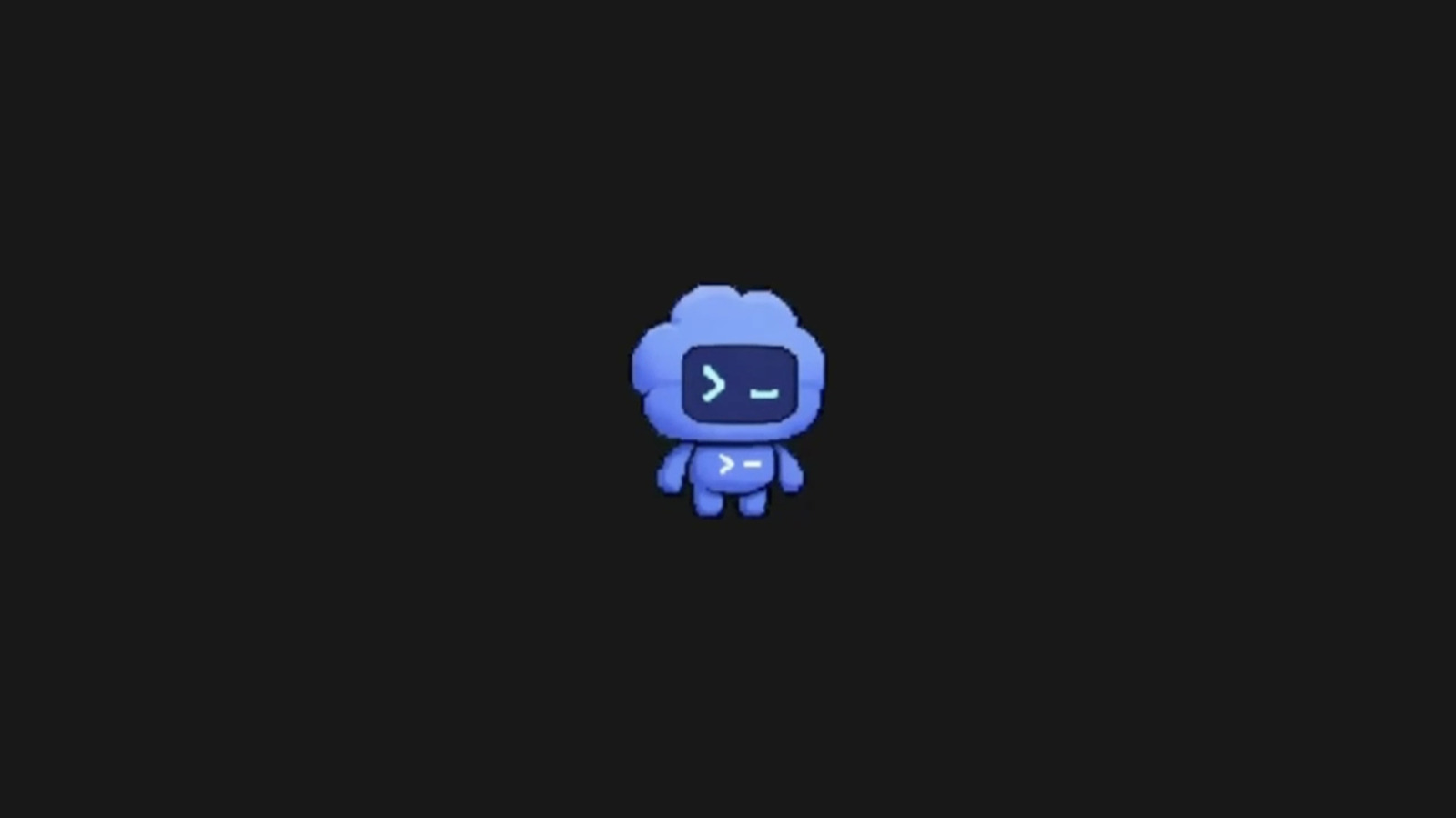
OpenAI ha introducido una nueva función de interfaz para su aplicación de programación Codex: mascotas generadas por IA que actúan como compañeros animados opcionales para los desarrolladores mientras Codex está trabajando. La empresa las describe como superposiciones flotantes, más que como asistentes de programación por derecho propio. No escriben código ni toman decisiones por el usuario. En su lugar, ofrecen una vista persistente y visible de un vistazo sobre lo que Codex está haciendo, si ha terminado una tarea y si necesita intervención del usuario para continuar.
El cambio puede sonar caprichoso, pero apunta a un problema de producto serio en el software agéntico. A medida que los agentes de programación se vuelven más capaces, también resulta más fácil perderles la pista. A menudo, los usuarios tienen que volver a una aplicación o vista de hilo dedicada para ver si un trabajo avanza, está bloqueado o espera una respuesta. Las nuevas mascotas de OpenAI están diseñadas para reducir esa fricción al mantener una capa de estado visible sobre el flujo de trabajo existente del usuario.
Un compañero que informa, no uno que programa
Según el texto fuente proporcionado, las nuevas mascotas pueden decirles a los usuarios en qué está trabajando Codex, avisarles cuando una tarea se completa y señalar los momentos en que el agente necesita orientación. Eso convierte la función en algo menos parecido a una novedad y más a un panel operativo ligero con personalidad añadida. El cambio clave es que ahora el hilo activo de Codex puede supervisarse sin obligar a los usuarios a abandonar la aplicación que están usando en ese momento.
Esa distinción importa. Una gran parte del desafío de usabilidad en las herramientas de programación con IA no es solo la calidad del modelo, sino la interrupción del flujo de trabajo. Los desarrolladores pueden tolerar esperar mientras un agente compila, refactoriza o inspecciona una base de código, pero toleran mucho menos tener que vigilar constantemente una interfaz separada. Al tratar la visibilidad del estado como una superposición siempre disponible, OpenAI está experimentando, en efecto, con una nueva metáfora de escritorio para la colaboración entre humanos y agentes.
Las mascotas son opcionales, y eso es igualmente importante. Los desarrolladores que prefieren un entorno más silencioso pueden descartarlas, mientras que los usuarios que quieren una retroalimentación más ambiental pueden mantenerlas visibles. En ese sentido, OpenAI parece estar probando cuánta personalidad de interfaz aceptarán los profesionales cuando el intercambio sea una mayor conciencia del estado de la tarea.

Cómo funciona la función
Los usuarios pueden escribir /pet en la aplicación Codex para invocar o descartar un compañero. OpenAI incluye ocho mascotas integradas, y también permite a los usuarios generar las suyas propias mediante el comando /hatch. El texto fuente señala que los primeros usuarios ya han subido compañeros personalizados, incluidas versiones inspiradas en Clippy de Microsoft.
Ese detalle revela otra capa del lanzamiento: la personalización no es solo estética, sino social. Una vez que los usuarios empiezan a crear y compartir sus propios compañeros, la función puede convertirse en parte de la cultura de Codex, no simplemente en otro ajuste de utilidad. OpenAI también está incentivando ese comportamiento al ofrecer 30 días de ChatGPT Pro para 10 compañeros generados favoritos por tiempo limitado, lo que da a los usuarios un motivo directo para participar en el experimento.
Las mascotas ya están disponibles tanto en las versiones para Windows como para macOS de Codex, lo que sugiere que OpenAI está tratando la función como ampliamente lista y no como una prueba limitada en una sola plataforma.
Por qué esto importa para las herramientas de programación
La importancia más profunda del lanzamiento es que los productos de programación con IA están entrando en una fase en la que el diseño de la interfaz importa tanto como el rendimiento bruto del modelo. Los primeros asistentes de programación estaban integrados en los editores y respondían bajo demanda. Las herramientas agénticas más recientes pueden ejecutar tareas de varios pasos durante periodos más largos, lo que crea la necesidad de una mejor presencia, mejor información de estado y un mejor manejo de interrupciones. Un compañero flotante es una respuesta a ese problema.
El movimiento de OpenAI también sugiere que los desarrolladores pueden estar más dispuestos a aceptar elementos de interfaz lúdicos cuando esos elementos resuelven un problema real de gestión de la atención. La comparación con Clippy es obvia, pero el objetivo práctico es distinto. Clippy intentaba anticipar la intención del usuario. Las mascotas de Codex, según el texto proporcionado, están ahí para exponer el estado actual de un agente que ya está en ejecución.
Si ese enfoque funciona, el lanzamiento podría influir en la forma en que otras herramientas de productividad con IA presentan el trabajo en segundo plano. La próxima generación de asistentes podría necesitar formas más claras de indicar el progreso, la confianza y la dependencia de las decisiones del usuario. Un compañero animado es solo una implementación, pero el principio de diseño es más amplio: los sistemas de IA de larga duración necesitan una forma visible y de baja fricción de mantenerse en conversación con la persona que los supervisa.

La señal de producto más amplia
También hay una dimensión de marca aquí. Al permitir que los usuarios generen sus propios compañeros con IA, OpenAI está vinculando la producción creativa con la identidad del producto. La empresa está convirtiendo una función de utilidad en una capa personalizable que los usuarios pueden moldear por sí mismos. Eso podría aumentar el apego a la herramienta y, al mismo tiempo, crear una nueva superficie para la participación de la comunidad.
Que la idea se convierta en un patrón de interfaz duradero dependerá de la ejecución. Si los compañeros siguen siendo ligeros, informativos y fáciles de descartar, pueden resolver un problema real del flujo de trabajo. Si se vuelven distractores, corren el riesgo de ser recordados como una simple curiosidad. Por ahora, el lanzamiento destaca porque muestra a OpenAI intentando hacer que los agentes de programación se sientan menos como cajas negras y más como colaboradores visibles que operan en la esquina de la pantalla.
Ese es un cambio pequeño en la forma, pero potencialmente significativo en la función. A medida que las herramientas de IA pasan más tiempo trabajando de forma autónoma, la pregunta ya no es solo qué pueden hacer. También es con qué claridad pueden mostrarles a los usuarios lo que están haciendo mientras lo hacen.
Este artículo se basa en la cobertura de Engadget. Leer el artículo original.
Originally published on engadget.com