Escalation After Ceasefire
The fragile ceasefire between the United States and Iran, established on April 8, 2026, faced its most severe test yet following a series of overnight attacks. President Donald Trump confirmed that U.S. strikes on Iran would continue, while Iranian officials announced they are reviewing whether to proceed with peace talks. The exchange of fire marks a significant escalation in tensions that had been relatively contained for over two months.
U.S. Strikes in Southern Iran
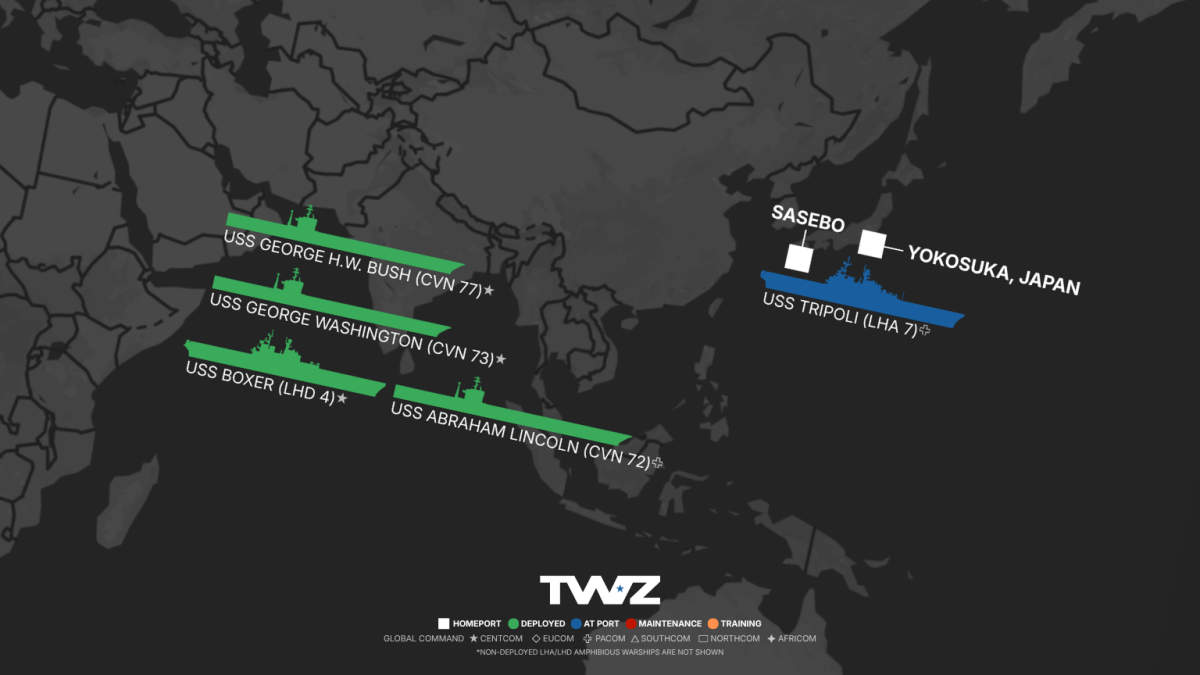
The latest round of hostilities began when U.S. Central Command launched three waves of strikes against targets in southern Iran. According to President Trump, the strikes were retaliation for Iran's downing of an AH-64 Apache helicopter, allegedly by an Iranian Shahed drone. Iran has denied responsibility for the attack on the Apache. The U.S. military has not released detailed damage assessments from the strikes, but initial reports indicate they targeted military infrastructure.
Iranian Retaliation
In response to the U.S. strikes, Iran launched multiple missiles and drones across the Middle East overnight. Iranian officials claimed attacks on the U.S. Navy's Fifth Fleet Headquarters in Manama, Bahrain, Muwaffaq Salti Air Base in Jordan, and targets in Kuwait. Videos circulating on social media purportedly showed missile interceptions and explosions resulting from the Iranian barrage. However, a U.S. official speaking on condition of anonymity told The War Zone that initial assessments indicate no injuries to U.S. personnel and no damage to American installations. The official noted that most Iranian missiles and drones were intercepted.
Historical Context and Concerns
This escalation is reminiscent of the height of Operation Epic Fury, during which similar U.S. assessments of minimal damage were later contradicted by reports of widespread destruction from Iranian attacks. The current situation raises concerns about the reliability of real-time battle damage assessments and the potential for miscalculation. The April 8 ceasefire had been a fragile but essential pause in direct hostilities, and both sides had engaged in peace talks mediated by regional powers. The overnight attacks threaten to unravel those diplomatic efforts.
Regional and Global Implications
The renewed violence has alarmed regional allies and global powers. The attacks on bases in Bahrain, Jordan, and Kuwait risk drawing other nations into the conflict. The U.S. Fifth Fleet Headquarters in Bahrain is a critical command center for naval operations in the Persian Gulf. Muwaffaq Salti Air Base in Jordan hosts U.S. and coalition forces involved in counterterrorism operations. Any damage to these facilities could have far-reaching consequences for regional security.
Iran's Stance on Peace Talks
Iranian officials have stated they are reviewing whether to continue peace talks following the overnight exchanges. The Khatam Al-Anbiya Central Headquarters, Iran's top military command, issued a statement claiming a powerful response to the U.S. onslaught. The Fars News Agency, a semi-official Iranian outlet, amplified these claims on social media. The uncertainty surrounding Iran's commitment to negotiations adds another layer of instability.
Next Steps and Monitoring
As damage assessments continue, the international community watches closely. The U.S. has not ruled out further strikes, and Iran has demonstrated its willingness to retaliate. The coming days will be critical in determining whether the ceasefire can be salvaged or if the region is heading toward a broader conflict. Diplomatic channels remain open, but the rhetoric from both sides suggests a hardening of positions.
This article is based on reporting by twz.com. Read the original article.
Originally published on twz.com