El Ejército dice que la transición Apache avanza con rapidez
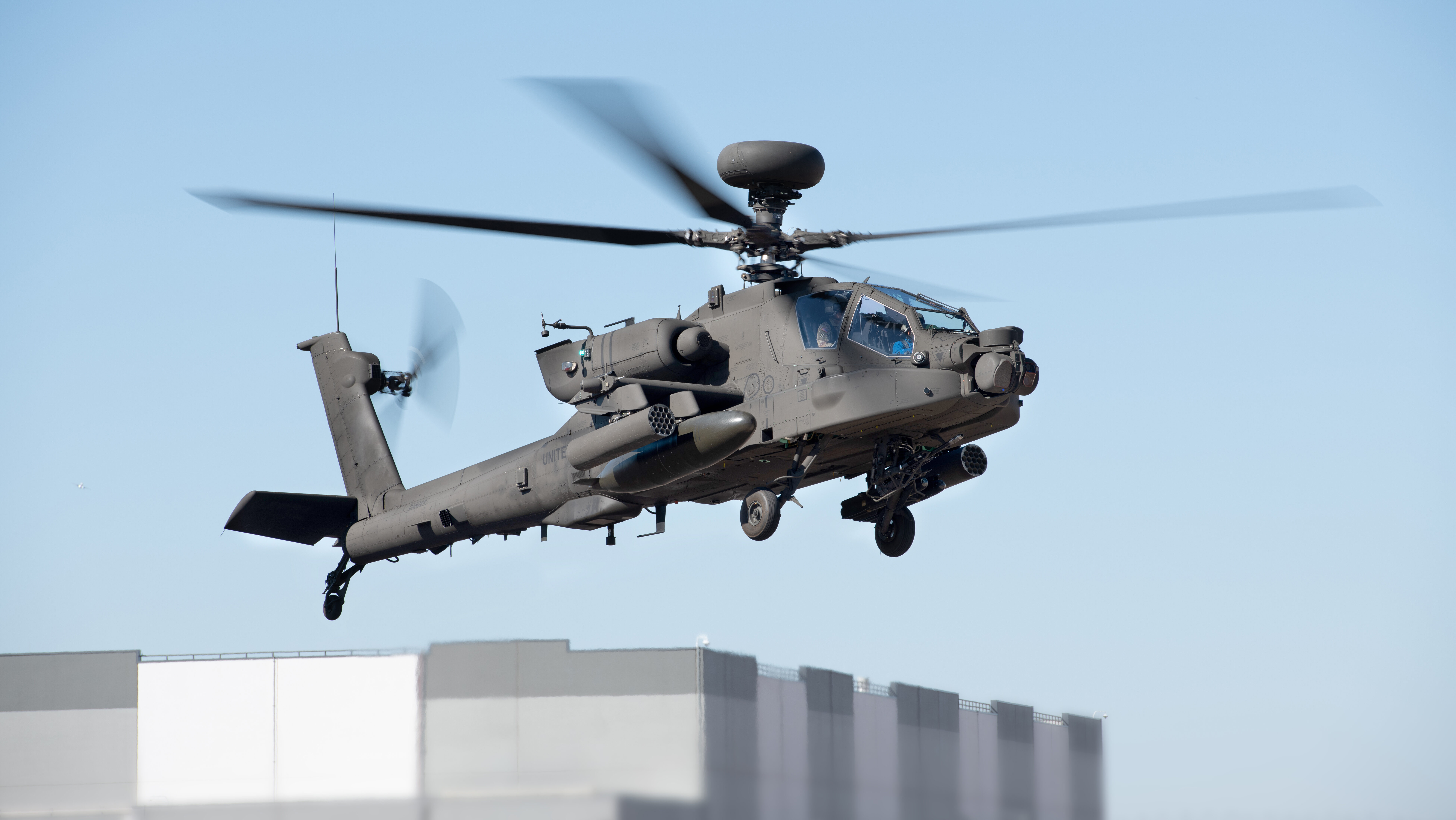
El Ejército de Estados Unidos afirma que ha logrado avances sustanciales en la renovación de su flota de aviación bajo la Iniciativa de Transformación del Ejército, y uno de los indicadores más claros es la transición de los helicópteros Apache. Hablando en la conferencia AAAA en Nashville, el coronel Tim Jaeger, director de aviación del Ejército en el G3/5/7, dijo que el servicio ya está bien avanzado en el complejo proceso de pasar de los AH-64D Apache heredados a los más nuevos AH-64E.
Jaeger dijo que el Ejército ya ha recorrido dos tercios del proceso de reequilibrio, desinvirtiendo casi el 60 por ciento de su flota AH-64D y cediendo aproximadamente el 80 por ciento de sus aeronaves del modelo E. Describió el esfuerzo como parte de un movimiento más amplio de 1.100 aeronaves en el plazo de un año, subrayando la magnitud de la reorganización aérea que está en marcha.
Por qué importa el modelo E
La transición no es simplemente un ejercicio administrativo entre inventario viejo y nuevo. El AH-64D se introdujo por primera vez en 1997, mientras que el AH-64E llegó más tarde, en 2013. Según el texto de origen, la versión más nueva incorpora mayor potencia de motor, conectividad digital mejorada, palas de rotor modernizadas y la capacidad de operar en condiciones meteorológicas más severas.
Esas mejoras se alinean con el esfuerzo del Ejército por modernizar su flota sin abandonar aeronaves probadas. Jaeger indicó que los Apache seguirán siendo centrales para la guerra del Ejército en el futuro previsible, incluso cuando cambie la financiación de adquisiciones. En su planteamiento, el Apache, el Black Hawk y el Chinook seguirán definiendo la base de aeronaves de rotor del Ejército, con el recién nombrado MV-75 Cheyenne incorporándose a esa mezcla.
Presión presupuestaria, pero no una retirada
La actualización de la flota llega en un momento de tensión presupuestaria visible. La solicitud de presupuesto del Pentágono muestra que la financiación para la adquisición de Apache caerá bruscamente de 361,7 millones de dólares en el ejercicio fiscal 2026 a 1,5 millones de dólares en el ejercicio fiscal 2027. Ese tipo de descenso normalmente generaría dudas sobre el compromiso a largo plazo, pero los comentarios de Jaeger sugieren que el servicio no interpreta la reducción de compras como una señal de que la plataforma esté a punto de desaparecer.
En cambio, el Ejército parece priorizar la redistribución, la modernización y los cambios en la estructura de fuerza por encima de la compra de grandes cantidades de aeronaves nuevas a corto plazo. El objetivo declarado no es solo poseer helicópteros más nuevos, sino alinear las unidades de aviación en torno a un modelo operativo revisado.
Las brigadas de aviación de combate también están cambiando
La transición Apache es solo una parte de la iniciativa de transformación. Jaeger dijo que otro cambio importante ha sido la reducción de las Brigadas de Aviación de Combate del Ejército mediante la eliminación de un Escuadrón de Caballería Aérea de cada brigada. A finales del año pasado, siete de esos escuadrones habían sido desactivados, mientras que uno, el 3.er Escuadrón del 17.º Regimiento de Caballería, fue redesignado como el 1.er Batallón, 3.er Regimiento de Aviación.
Esa redesignación apunta a una reestructuración más amplia de las formaciones de aviación, no solo a una renovación de las aeronaves. Las próximas brigadas de aviación de combate que se transformarán pertenecen a la 101.ª División Aerotransportada y a la 1.ª División de Caballería, según Jaeger.
Una transformación medida por la mezcla de la flota, no por los titulares
La Iniciativa de Transformación del Ejército fue descrita en la fuente como de gran alcance desde el inicio, al combinar recortes, reasignación de prioridades y modernización en todo el ecosistema de aviación. Lo que hace significativo el último avance es la velocidad. Mover 1.100 aeronaves en aproximadamente un año mientras se desactivan y redesignan unidades al mismo tiempo sugiere que el Ejército no trata la transformación como un concepto a largo plazo, sino como un reequilibrio activo que ya está afectando al material y a las organizaciones.
El mensaje del Ejército es que los sistemas heredados se están retirando donde es viable, pero se sigue esperando que la cartera más amplia de aviación de combate sea importante en futuros conflictos. Por ello, la historia del Apache se parece menos a un aviso de retiro y más a una transición controlada de variantes más antiguas a otras más nuevas dentro de una fuerza que todavía se está reorganizando en torno a su próxima doctrina y ciclo de adquisiciones.
- El Ejército dice que ha desinvertido casi el 60 por ciento de sus Apache AH-64D.
- El servicio también dice que ha cedido aproximadamente el 80 por ciento de sus aeronaves del modelo E durante la transición.
- Los documentos presupuestarios del Pentágono muestran una fuerte caída en la financiación para la adquisición de Apache de FY26 a FY27.
- La renovación de la aviación también incluye cambios en la estructura de las brigadas de aviación de combate.
Este artículo se basa en información de Breaking Defense. Leer el artículo original.
Originally published on breakingdefense.com