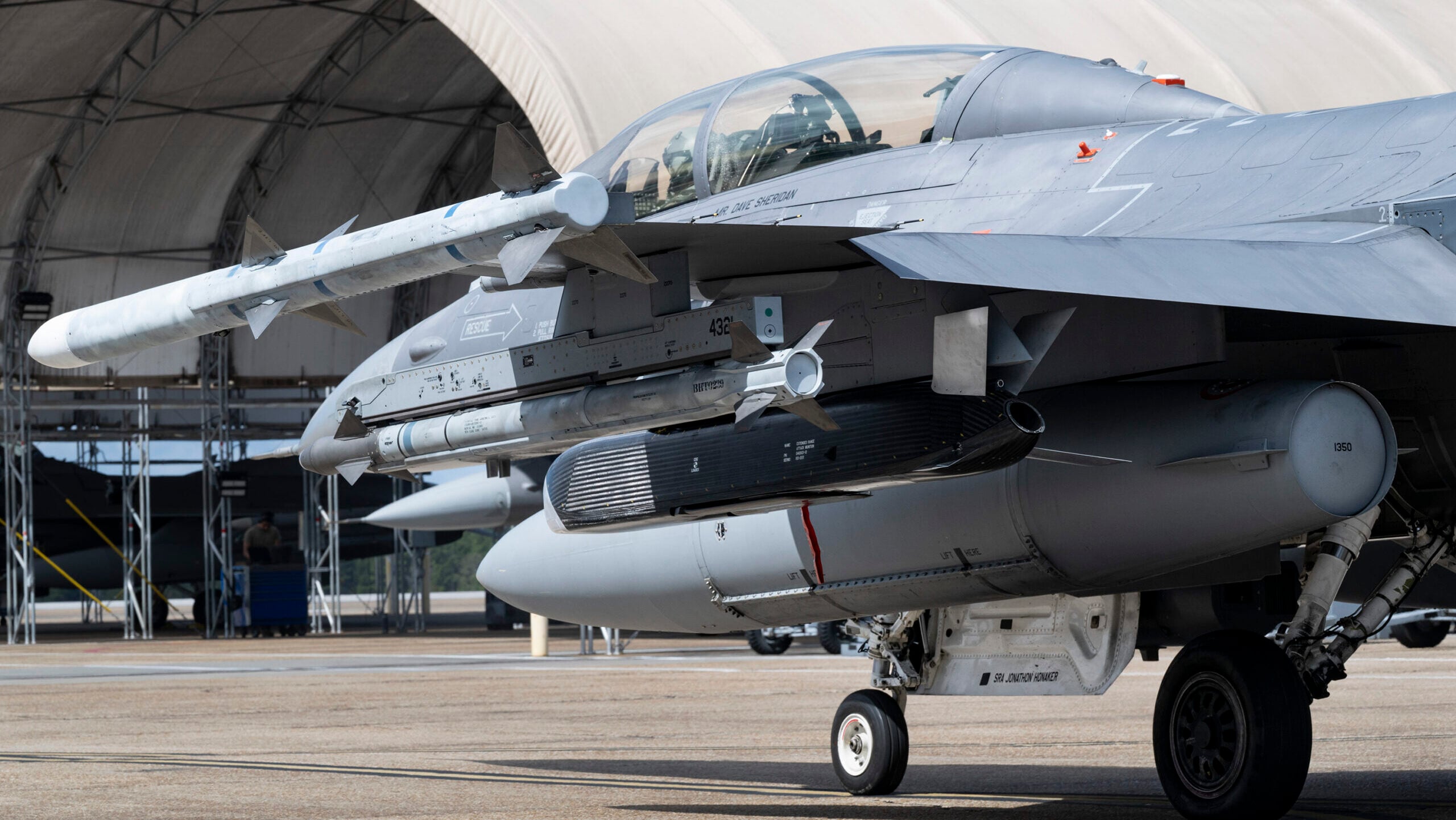
Un nuevo programa de misiles pasa del concepto a la escala
La Fuerza Aérea de EE. UU. se prepara para una gran expansión de un programa de misiles de crucero de bajo costo que podría cambiar su forma de pensar sobre la masa, la asequibilidad y la capacidad de ataque. Según documentos presupuestarios del año fiscal 2027 recién divulgados, el servicio podría comprar casi 27,000 ejemplares de su Family of Affordable Mass Missile, o FAMM, en los próximos años, mientras gasta más de 12,000 millones de dólares para aumentar el inventario.
Esa escala destaca incluso en un entorno del Pentágono ya centrado en la producción de municiones. Los documentos sugieren que la Fuerza Aérea ve FAMM no como un experimento de nicho, sino como un arma de gran volumen destinada a complementar o compensar la dependencia de sistemas más caros.
Los planes de adquisición muestran un fuerte aumento
El perfil presupuestario descrito por Breaking Defense es inusualmente explícito. Tras el inicio de la adquisición en el año fiscal 2026, la Fuerza Aérea busca 300 millones de dólares en fondos de reconciliación para el año fiscal 2027 a fin de comprar 1,000 misiles. Luego la curva de crecimiento se empina con fuerza: se proyectan 5,300 para el año fiscal 2028, con cantidades anuales que siguen aumentando hasta llegar a 7,990 en el año fiscal 2031, el último año mostrado en la previsión quinquenal.
Esas cifras hacen que FAMM destaque no solo por su objetivo de asequibilidad, sino por la escala industrial que lo respalda. En la adquisición moderna de armas en EE. UU., la cantidad suele estar limitada por el costo, la complejidad de producción o ambos. FAMM parece diseñado para romper ese patrón.
Cómo se compara con otras compras de misiles
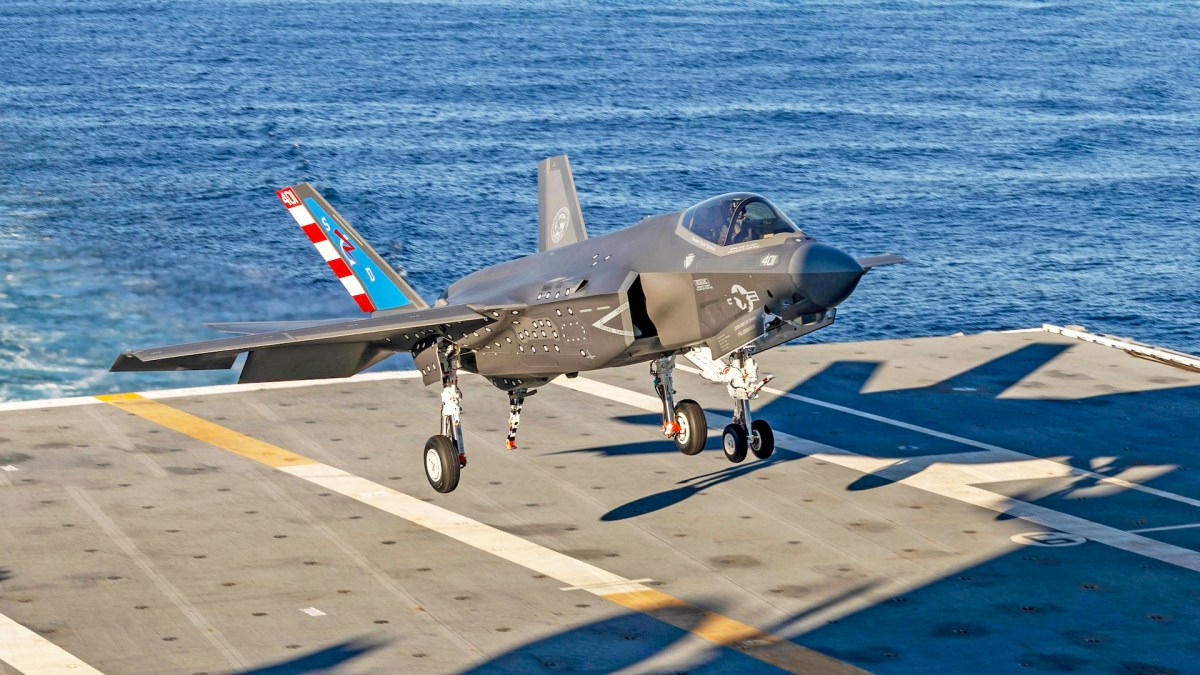
El contraste con otras municiones de la Fuerza Aérea es revelador. El Joint Air-to-Surface Standoff Missile, un arma de ataque de largo alcance mucho más sofisticada, se proyecta en una tasa anual de adquisición de 860 unidades en los años posteriores. El Advanced Medium Range Air-to-Air Missile aparece estabilizándose en 720 por año a partir del año fiscal 2028.
Las cifras proyectadas de FAMM superan ampliamente esas tasas. Eso no significa que sustituya a esas armas. Sí sugiere un papel operativo diferente: uno construido en torno a volumen asequible, inventario ampliado y capacidad de sostener grandes salvas a lo largo del tiempo.
Lo que se sabe del programa
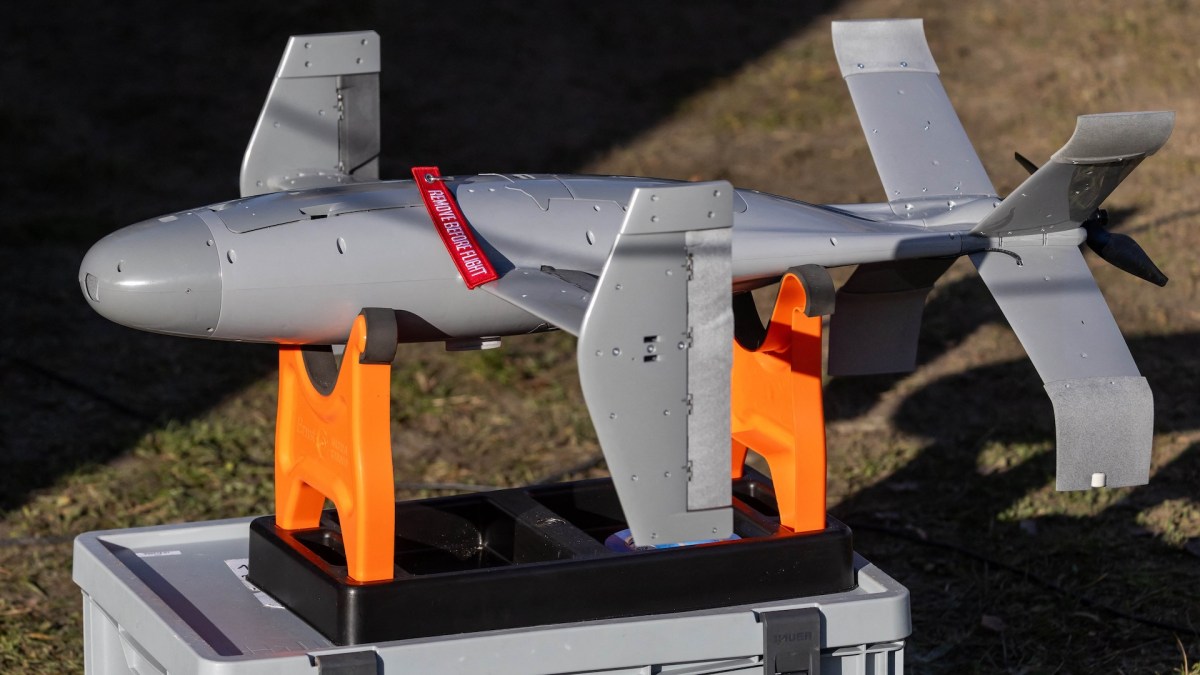
Los funcionarios de la Fuerza Aérea han mantenido en privado muchos detalles de FAMM, pero algunos elementos ya son públicos. Los documentos presupuestarios identifican a Anduril, CoAspire y Zone 5 como proveedores activos, en particular para una versión “lugged” del arma que puede ser transportada por cazas y bombarderos. Los documentos no desglosan valores adjudicados ni cuotas de producción por empresa.
El programa también parece haber evolucionado a partir de un esfuerzo anterior conocido como Enterprise Test Vehicle. Según un funcionario de Anduril citado anteriormente por Breaking Defense, la Fuerza Aérea estableció FAMM como un programa de registro sobre la base del trabajo realizado bajo esa iniciativa previa. Lo que originalmente se concebía como una munición paletizada también se espera que se adapte a una configuración lugged.
La Fuerza Aérea divulgó públicamente una prueba del FAMM lugged el 13 de abril, aunque el artículo indica que el servicio no proporcionó todos los detalles en el extracto incluido aquí.
Por qué importan las cifras
La importancia de FAMM radica en lo que dice sobre las prioridades de diseño de fuerza de EE. UU. Un misil comprado en decenas de miles apunta a una demanda de potencia de fuego desechable y escalable, no solo a pequeños inventarios de armas premium. Eso tiene implicaciones para la planificación de campañas aéreas, la logística y la preparación industrial.
También refleja una preocupación estratégica más amplia que ahora es visible en todo el Pentágono: si Estados Unidos puede generar suficientes municiones a un costo aceptable en un conflicto prolongado de alto nivel. Buscar autoridad de adquisición multianual para FAMM sugiere que la Fuerza Aérea quiere previsibilidad y volumen de producción, ambos centrales para construir existencias con rapidez.
Una teoría distinta del inventario de poder aéreo
Durante años, los debates sobre armamento avanzado se han centrado a menudo en el alcance, la supervivencia y la sofisticación. FAMM añade otro eje a esa conversación: la cantidad. Un misil de crucero de menor costo adquirido a escala podría permitir a la Fuerza Aérea distribuir el riesgo de otra manera, preservar armas de alto nivel escasas para objetivos selectos y crear presión mediante el puro volumen.
Si la base industrial puede sostener las tasas de producción proyectadas es una cuestión aparte. El impulso más amplio del Pentágono para adquirir misiles ya ha suscitado preocupaciones sobre la capacidad de fabricación y la resiliencia de la cadena de suministro. Pero la intención de la Fuerza Aérea ya es visible en forma de presupuesto, y es difícil equivocarse al respecto.
FAMM ya no es solo un concepto emergente vinculado a unas pocas revelaciones de pruebas y a escasos comentarios oficiales. Se está convirtiendo en una importante línea de adquisición y, potencialmente, en una de las señales más claras hasta ahora de que el servicio no solo intenta comprar capacidad exquisita, sino masa asequible.
Este artículo se basa en la cobertura de Breaking Defense. Leer el artículo original.
Originally published on breakingdefense.com