Un concepto de combustible solar con una salida líquida
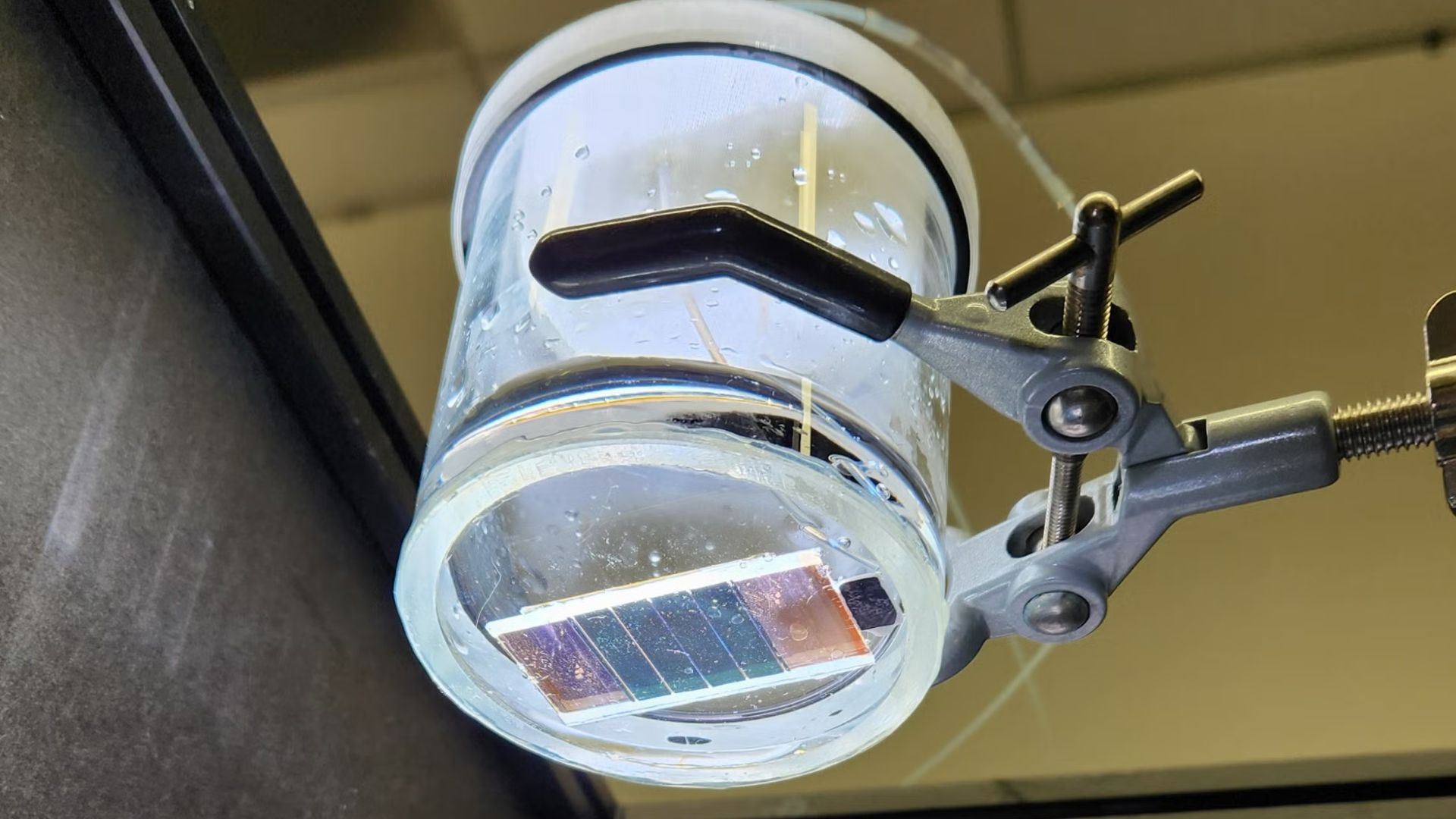
Investigadores de la Universidad de Yale han construido un dispositivo alimentado por energía solar diseñado para convertir dióxido de carbono y agua en combustible líquido de metanol. El proyecto, descrito como una hoja artificial, apunta a una versión de la fotosíntesis diseñada para la producción de energía y no para el crecimiento de las plantas. En lugar de limitarse a capturar la luz solar o almacenar electricidad, el dispositivo busca producir un combustible líquido utilizable a partir de dos insumos abundantes: agua y CO2.
Esa combinación importa porque el metanol es más fácil de almacenar y transportar que muchos otros vectores energéticos. En términos prácticos, la importancia del trabajo de Yale no es solo que usa la luz solar, sino que produce una salida líquida que podría integrarse de forma más natural en los sistemas industriales y de manipulación de combustibles ya existentes.
Por qué importa el metanol
El metanol ocupa una posición interesante en la discusión sobre energía limpia. No es un combustible futurista sin papel comercial; ya es una sustancia química industrial y una materia prima energética ampliamente utilizada. Eso hace que cualquier vía solar hacia el metanol sea potencialmente más relevante que un concepto que requiere una red logística completamente nueva antes de poder tener impacto.
El dispositivo de Yale, según el material proporcionado, transforma dióxido de carbono y agua en metanol utilizando energía solar. Ese enfoque sitúa el trabajo dentro de la categoría más amplia de utilización del carbono: en lugar de tratar el CO2 solo como un residuo que hay que enterrar o capturar, los investigadores intentan convertirlo en algo económicamente útil.
Si ese enfoque puede mejorarse y escalarse, ofrece una segunda propuesta de valor junto con la gestión de emisiones. La misma molécula que legisladores y empresas intentan reducir pasa a formar parte de una corriente de insumos para la fabricación.

Qué hace notable a una hoja artificial
La expresión hoja artificial se ha usado durante años para describir dispositivos que imitan partes fundamentales de la fotosíntesis. La atracción es sencilla. Las plantas usan la luz solar para impulsar reacciones químicas que, de otro modo, requerirían energía externa. Los ingenieros quieren hacer algo similar, pero con más control, mayores velocidades de reacción y productos seleccionados por su valor industrial.
En este caso, el producto objetivo es el metanol. Esa elección sugiere un enfoque deliberado en la practicidad. Gran parte de la investigación en tecnología limpia produce hidrógeno, electricidad o compuestos intermedios que son útiles principalmente dentro del laboratorio o en sistemas estrechamente controlados. Un combustible líquido cambia la conversación. Abre la posibilidad de un almacenamiento más sencillo, envío más fácil y uso posterior en sectores existentes que todavía tienen dificultades para electrificar todos sus procesos.
Eso no significa que la vía hacia su despliegue sea simple. Significa que el destino es más fácil de entender.
El contexto energético más amplio
Los sistemas de energía limpia se enfrentan cada vez más a una pregunta común: ¿qué debe hacerse cuando la electrificación directa es difícil? Las baterías son eficaces en muchos casos, pero no todos los procesos industriales, rutas de transporte marítimo o flujos de trabajo químicos son fáciles de trasladar a la energía eléctrica directa por sí sola. Ahí es donde los combustibles solares y los líquidos derivados del carbono siguen atrayendo atención.
Un dispositivo que toma luz solar, agua y dióxido de carbono y los convierte en metanol aborda varios temas a la vez:
- Utiliza energía renovable como insumo impulsor.
- Trata el CO2 como materia prima y no solo como una responsabilidad.
- Produce una salida líquida que la industria ya entiende.
Estos atributos ayudan a explicar por qué la investigación sobre fotosíntesis artificial sigue recibiendo atención incluso cuando se expanden las baterías, la energía nuclear y las energías renovables convencionales. Los sistemas son distintos, pero pueden ser complementarios. La electricidad es útil cuando puede usarse directamente. Los combustibles solares resultan atractivos donde un combustible químico estable, denso y transportable sigue teniendo ventajas.

Qué muestra y qué no muestra todavía
El material suministrado respalda una afirmación clara en el titular: investigadores de Yale construyeron una hoja artificial alimentada por energía solar que convierte dióxido de carbono y agua en combustible líquido de metanol. Lo que no establece es el rango de rendimiento necesario para evaluar su viabilidad comercial. No hay detalles aquí sobre eficiencia, durabilidad, costo, vida útil del catalizador ni tasa de producción de combustible.
Esa laguna es importante. Los avances en energía limpia a menudo parecen más cercanos al mercado en el momento en que primero se vuelven visibles, cuando en realidad siguen siendo demostraciones en fase temprana. La diferencia entre promesa científica y preparación industrial suele depender exactamente de las métricas que no aparecen en el breve texto candidato.
Aun así, incluso una información limitada puede señalar por qué un proyecto merece atención. En este caso, el paso notable es la combinación de entrada solar con una salida de combustible líquido fabricada a partir de CO2 y agua. Esa es una propuesta más aplicada que un resultado que se detiene en la teoría o en la generación de un intermedio difícil de usar.
Por qué destaca esta historia
Muchos proyectos de descarbonización se centran en evitar emisiones. Este, según la descripción proporcionada, se centra en convertir un flujo de carbono en un producto combustible. Ese es un ángulo estratégico distinto. Vincula clima, química e infraestructura energética en un solo concepto de dispositivo.
Para investigadores y observadores de la industria, la hoja artificial de Yale merece seguimiento porque se sitúa en la intersección de tres grandes vías de desarrollo: utilización del carbono, química impulsada por energía solar y sustitución de combustibles líquidos. Incluso si el dispositivo sigue en una etapa experimental, refleja un cambio más amplio en la investigación de tecnología limpia hacia sistemas que hacen más que capturar energía. Buscan fabricarla en una forma que el resto de la economía ya pueda usar.
La conclusión inmediata es modesta pero significativa: la investigación sobre combustibles solares sigue avanzando más allá de la inspiración abstracta de la naturaleza y hacia productos con relevancia industrial directa. El metanol le da a este esfuerzo un objetivo claro, y eso por sí solo hace que el proyecto sea más consecuente que muchos conceptos energéticos en fase temprana.
Este artículo se basa en una cobertura de Interesting Engineering. Leer el artículo original.

Originally published on interestingengineering.com