La IA de propósito general superó a herramientas clínicas especializadas
Una nueva evaluación independiente publicada en Nature Medicine informa que los modelos de lenguaje grandes de propósito general de frontera superaron a dos productos de IA clínica especializados en tres benchmarks médicos distintos. El estudio comparó OpenEvidence y UpToDate Expert AI con GPT-5.2, Gemini 3.1 Pro Preview y Claude Opus 4.6.
El resultado va en contra de una suposición común de la industria: que los productos clínicos diseñados específicamente para medicina superarán de forma fiable a modelos más amplios gracias al entrenamiento específico del dominio o a sistemas de recuperación. En esta evaluación, eso no ocurrió.
El artículo presenta el hallazgo como una advertencia práctica para hospitales, clínicos y sistemas de salud que puedan estar considerando desplegar rápidamente IA médica propietaria sin una validación externa sólida. Los autores sostienen que las afirmaciones de un rendimiento clínico superior deben probarse de forma independiente, especialmente cuando las arquitecturas subyacentes y los procesos de entrenamiento no son públicos.
Cómo se realizó la comparación
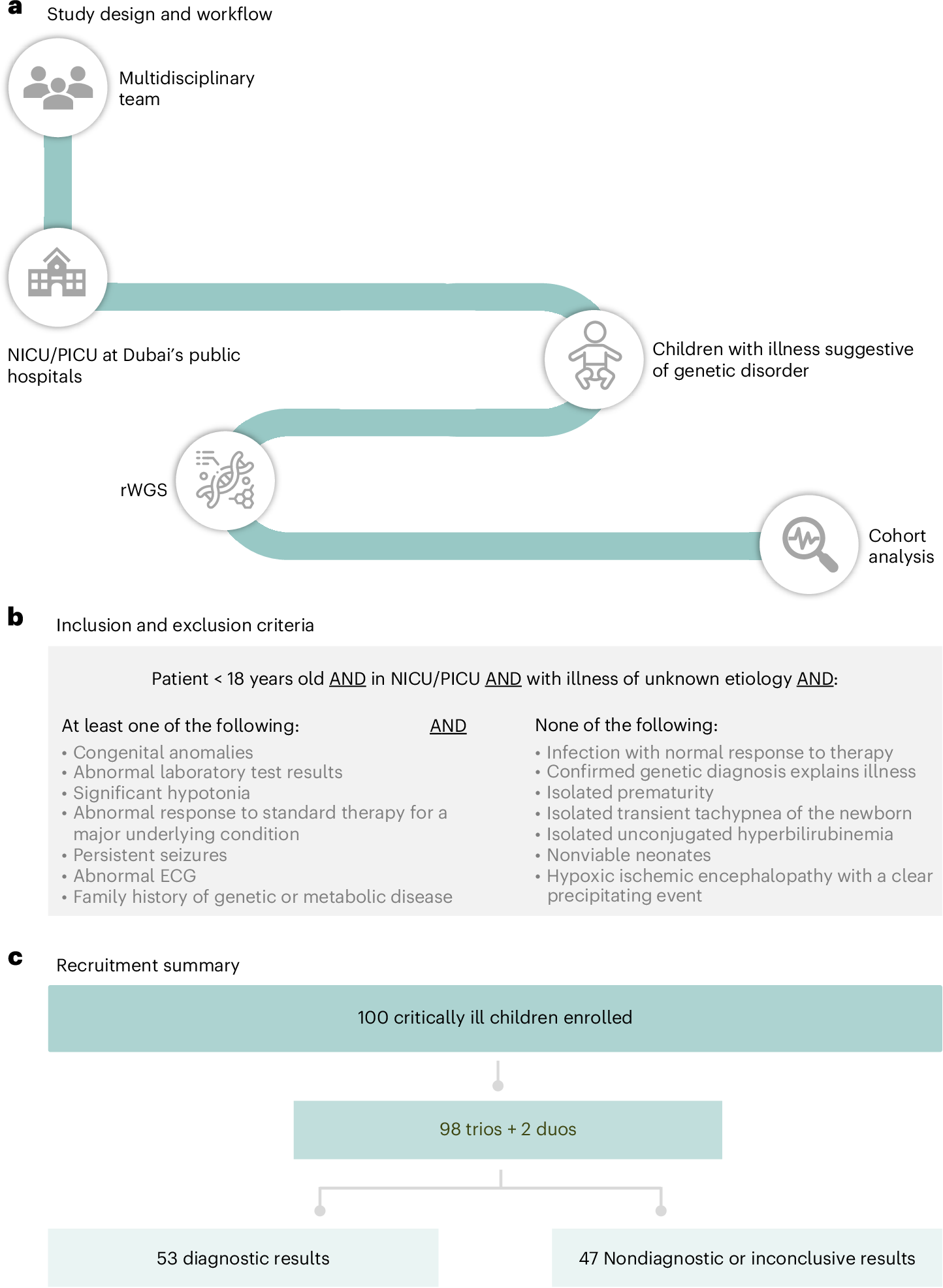
La evaluación tuvo tres etapas. Primero, los investigadores usaron 500 preguntas de MedQA para evaluar conocimiento médico. Segundo, usaron 500 elementos de HealthBench para medir qué tan alineadas estaban las respuestas de los modelos con los clínicos. Tercero, crearon un benchmark de consultas clínicas reales a partir de 100 preguntas anonimizadas que médicos habían hecho a un modelo de lenguaje de propósito general en un entorno clínico real.
Esa tercera etapa es la parte más notable del artículo porque intenta ir más allá de las puntuaciones abstractas de benchmarks. Para el conjunto de consultas clínicas reales, 12 clínicos de EE. UU. realizaron revisiones aleatorias y a ciegas de las respuestas de los modelos, generando 1.800 anotaciones modelo-pregunta.
En las tres evaluaciones, los modelos de frontera de propósito general superaron a las dos herramientas de IA clínica. El artículo también señala que las herramientas clínicas tuvieron un rendimiento comparable al de Google Search AI Overview en el benchmark de consultas clínicas reales.

Por qué importa el resultado
La IA clínica especializada ya está entrando en la práctica médica, pero el artículo dice que las evaluaciones independientes en el mundo real siguen siendo escasas. Esa brecha importa porque a los sistemas de salud se les pide confiar en herramientas cuyo diseño interno, datos de entrenamiento y elecciones de modelo suelen ser opacos.
El estudio no sostiene que los modelos de propósito general sean automáticamente seguros para uso médico sin supervisión. Más bien, su punto central es más estrecho y más importante: la especialización por sí sola no debe tomarse como prueba de mejor rendimiento. Si un producto se presenta como ajustado para medicina, todavía corresponde a proveedores y compradores demostrar que realmente rinde mejor en tareas clínicamente relevantes.
Eso tiene consecuencias directas para la adquisición y la gobernanza. Un hospital que elige entre un asistente clínico con marca y un modelo de frontera envuelto en salvaguardas institucionales quizá no esté eligiendo entre niveles de rendimiento claramente distintos. Según esta evaluación, los sistemas más generales pueden igualar o superar a los especializados en métricas significativas.
Un desafío a la ventaja propietaria
El artículo también habla de un cambio más amplio en la IA. Los modelos de frontera se han beneficiado de corpora de entrenamiento muy grandes y de un amplio trabajo de alineación. Los autores sugieren que esas ganancias pueden ser ya lo bastante fuertes como para desafiar a productos específicos de un dominio incluso sin un reentrenamiento estrecho.
Eso no significa que todos los modelos de propósito general vencerán a todas las herramientas clínicas en todos los contextos. Pero sí significa que el viejo argumento de que la especialización necesariamente crea una ventaja decisiva parece más débil de lo que muchos compradores habían asumido.
La comparación es especialmente significativa porque las herramientas clínicas ya se están presentando como productos para la práctica médica a escala. En ese contexto, un rendimiento inferior no es solo un resultado académico. Plantea preguntas sobre seguridad, valor y si la marca en torno a la experiencia va por delante de la evidencia.
Qué deberían sacar de esto los sistemas de salud
La conclusión más defendible del estudio no es que la medicina deba abandonar la IA especializada. Es que los estándares de evaluación deben subir. Las pruebas independientes en tareas clínicas realistas parecen esenciales antes de confiar en cualquier sistema en la práctica.
Esa es la aportación más fuerte del artículo. Sitúa la evidencia del mundo real por encima de las categorías de marketing y recuerda a los compradores que la etiqueta del modelo puede importar menos que el rendimiento medido. En un campo donde los errores tienen consecuencias graves, esa distinción no es teórica.
- Nature Medicine evaluó dos herramientas clínicas especializadas frente a tres modelos de frontera de propósito general.
- Los modelos de frontera superaron a las herramientas clínicas en MedQA, HealthBench y un benchmark de consultas clínicas reales.
- La parte del mundo real del estudio utilizó 100 consultas de médicos anonimizadas y 1.800 anotaciones de clínicos.
- Los autores piden una evaluación independiente más sólida antes del despliegue clínico.
Este artículo se basa en la cobertura de Nature Medicine. Leer el artículo original.
Originally published on nature.com