Malacca is moving from EV promises to production
Malaysia’s role in the electric-vehicle supply chain is becoming more concrete. In Malacca, the Pegoh facility operated by EP Manufacturing Berhad, or EPMB, is shifting from a collection of investment headlines into something more consequential: an export-oriented local assembly platform for Chinese EV brands seeking a foothold in Southeast Asia.
The broader regional logic is straightforward. According to the source text, Malaysia is not trying to compete directly with Indonesia’s battery-minerals position or Thailand’s status as a conventional automotive heavyweight. Instead, it is aiming to become a right-hand-drive assembly and export base, particularly useful for Chinese manufacturers that want faster access to ASEAN markets.
That positioning matters because it ties industrial policy to a specific commercial advantage. Right-hand-drive manufacturing is not just a technical footnote. It creates a pathway into markets where imported left-hand-drive platforms are poorly suited or commercially weaker, and it gives Chinese brands a reason to localize before tariffs and tax structures turn less favorable.
Pegoh is becoming the center of gravity
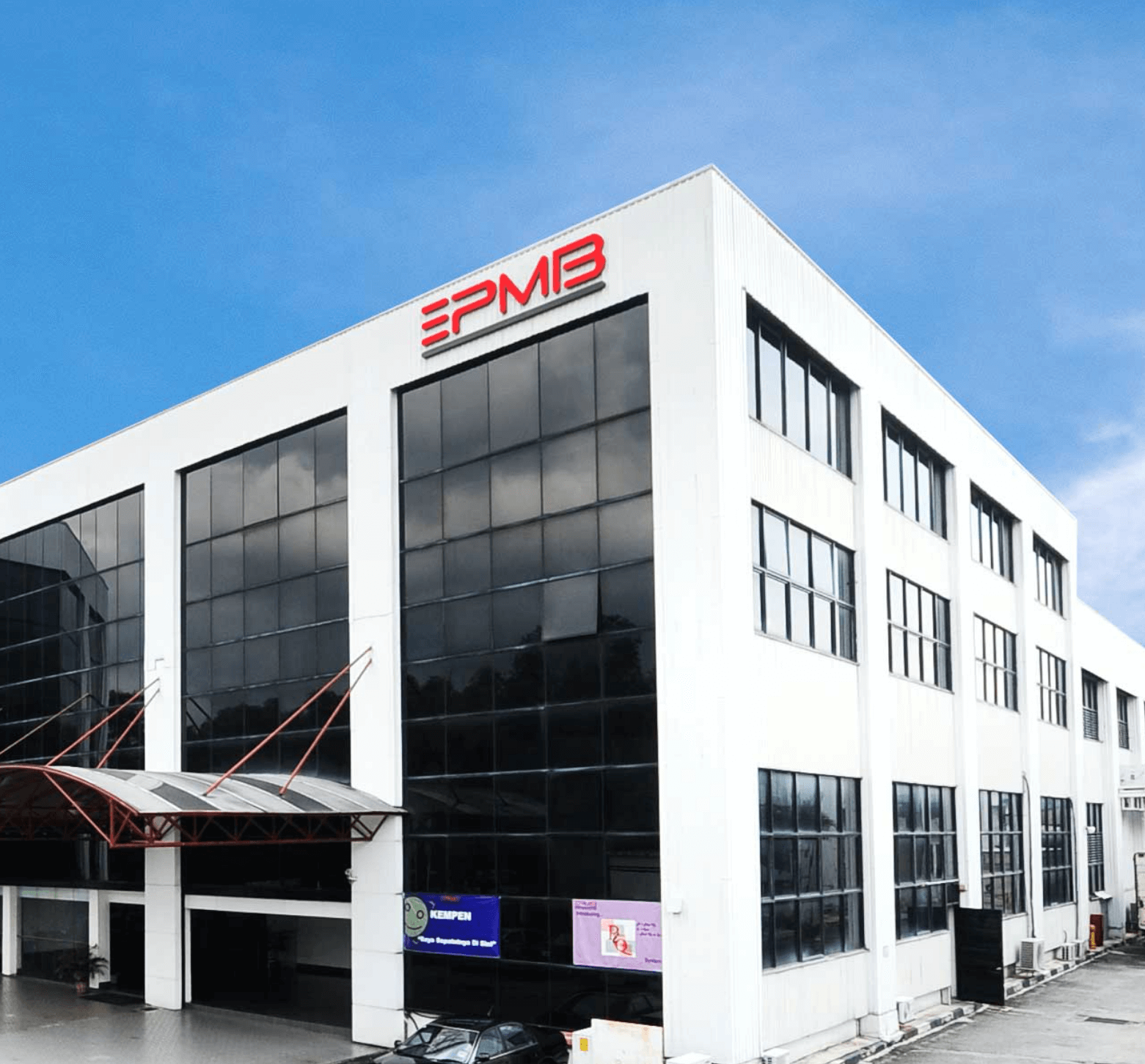
EPMB’s Pegoh plant now sits at the center of that strategy. The site was initially linked to local assembly for Great Wall Motor, but its role has broadened. The source text associates the facility with several Chinese automotive groups, including XPeng, MG and BAIC, suggesting that Pegoh is evolving into a multi-brand manufacturing platform rather than a single-company outpost.
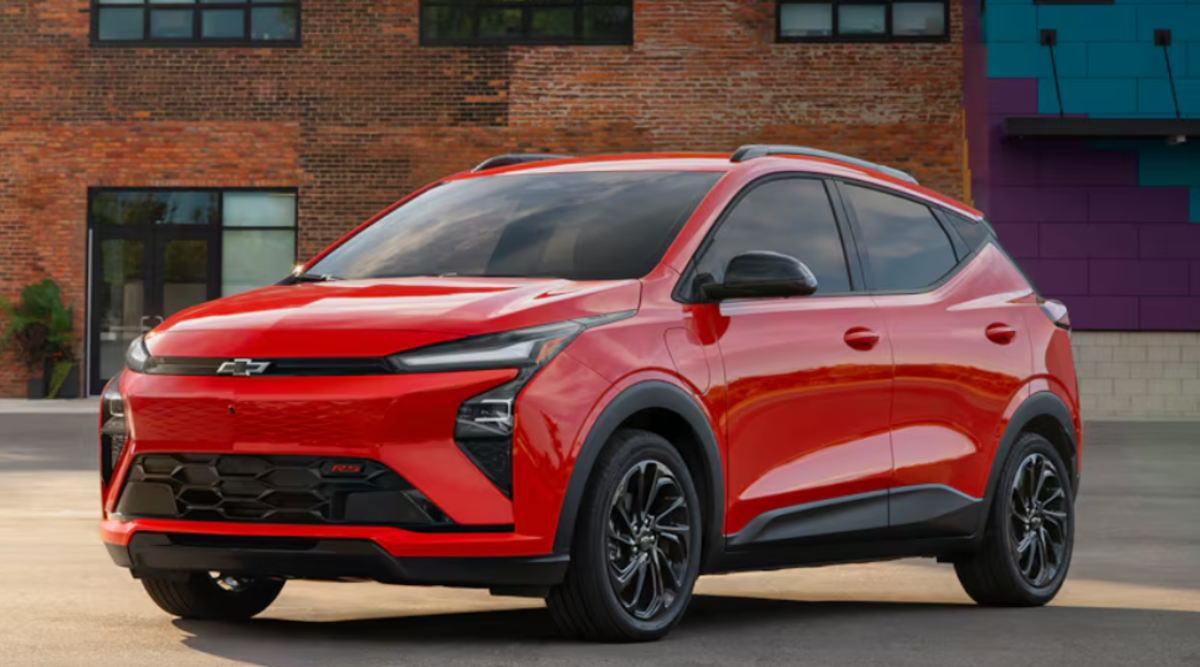
One milestone has already arrived. The source text says the first locally assembled MG S5 EV rolled off the Pegoh line in March 2026, making it the first SAIC Motor model assembled in Malaysia through EPMB. That is a tangible sign that the ecosystem is no longer speculative. Vehicles are now moving from strategy decks into production lines.
EPMB has also said the facility is targeting annual capacity of up to 30,000 vehicles under its second expansion phase, with exports under consideration. That production target is meaningful even if modest by global standards. For Malaysia, the more important point is the type of capacity being built: flexible local assembly connected to overseas brands and designed around regional distribution.

Why Chinese automakers are interested
Chinese EV makers have strong reasons to pursue overseas assembly. The source text points to three of them directly: reducing tariff exposure, improving access to ASEAN markets and localizing operations ahead of the end of Malaysia’s tax exemptions for fully imported EVs. Those exemptions expire at the end of 2025, while locally assembled EVs continue to receive tax incentives through 2027.
That policy window helps explain the urgency. If imported EVs become less tax-advantaged while local assembly remains supported, manufacturing in Malaysia becomes more than a branding exercise. It becomes a way to defend price competitiveness and preserve market momentum.
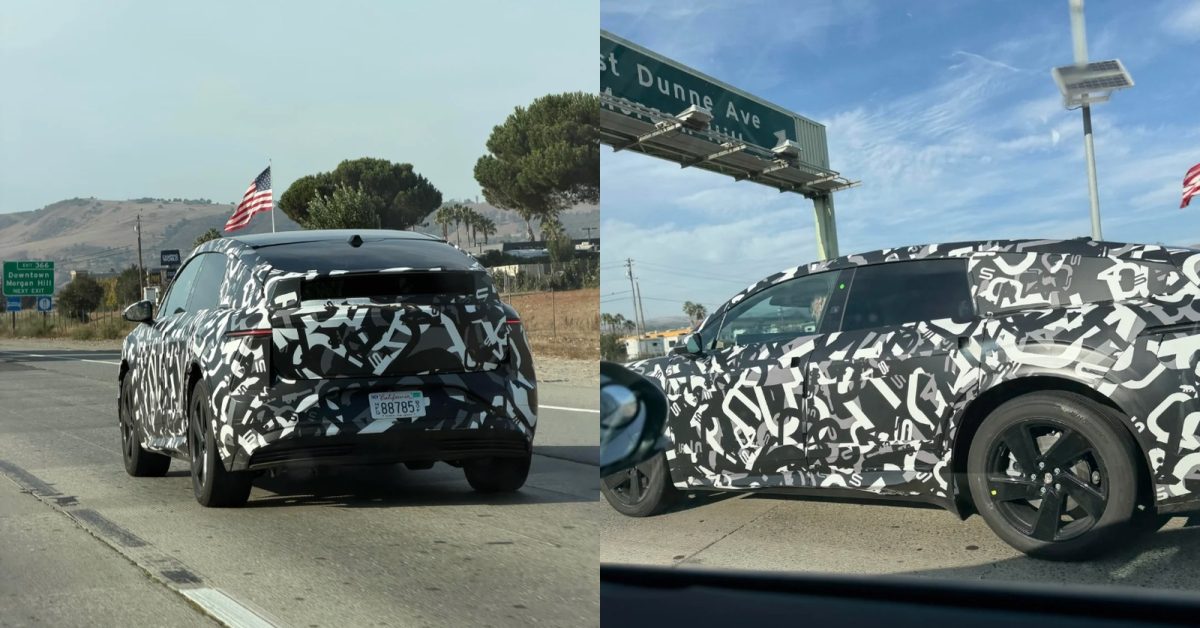
XPeng’s plans illustrate how that shift could unfold. The source text says the company announced in December 2025 that it would begin local assembly operations in Malaysia through EPMB. It also says production of the XPeng G6 electric SUV was scheduled by March 31, 2026, followed by the X9 MPV and its PowerX range-extended variant by May 25, 2026. Reuters, as cited in the source text, described Malaysia as part of XPeng’s broader global manufacturing expansion.
More than semi-knocked-down assembly
The most interesting part of Malacca’s rise is that it may signal a move beyond basic semi-knocked-down assembly. The supplied text cuts off before fully developing that point, but it clearly frames the Pegoh expansion as evidence that Malaysia is trying to do more than assemble imported kits at minimal scale. The policy objective appears to be industrial deepening: more localized capability, more export potential and a stronger role in regional automotive production.
That does not mean Malaysia is about to dominate EV manufacturing in Southeast Asia. Indonesia retains leverage through minerals and batteries, while Thailand still has a much deeper automotive base. But Malaysia does not need to outrun either country across every metric. If it can become the preferred right-hand-drive assembly node for several Chinese entrants, it can carve out a durable niche in the next stage of regional EV competition.
For Chinese automakers, the appeal is equally practical. A shared assembly ecosystem lowers entry costs, reduces policy risk and lets companies test regional demand with more flexibility than building full-scale standalone factories from scratch.
An industrial strategy taking shape
The shift in Malacca is therefore bigger than any single brand launch. It is a sign that Southeast Asia’s EV map is becoming more distributed and more specialized. Malaysia is trying to convert timing, tax policy and manufacturing format into a comparative advantage. Pegoh is the first place where that strategy is becoming visible in metal and volume.
If current plans hold, Malacca will be remembered less for the announcements that first drew attention and more for the moment those announcements turned into production. That transition is where industrial strategies either harden into real sectors or fade into promotional rhetoric. For now, Pegoh looks like the former.
This article is based on reporting by CleanTechnica. Read the original article.
Originally published on cleantechnica.com