El impulso solar de 932 MW de Madagascar apunta a una apuesta mayor por la electrificación
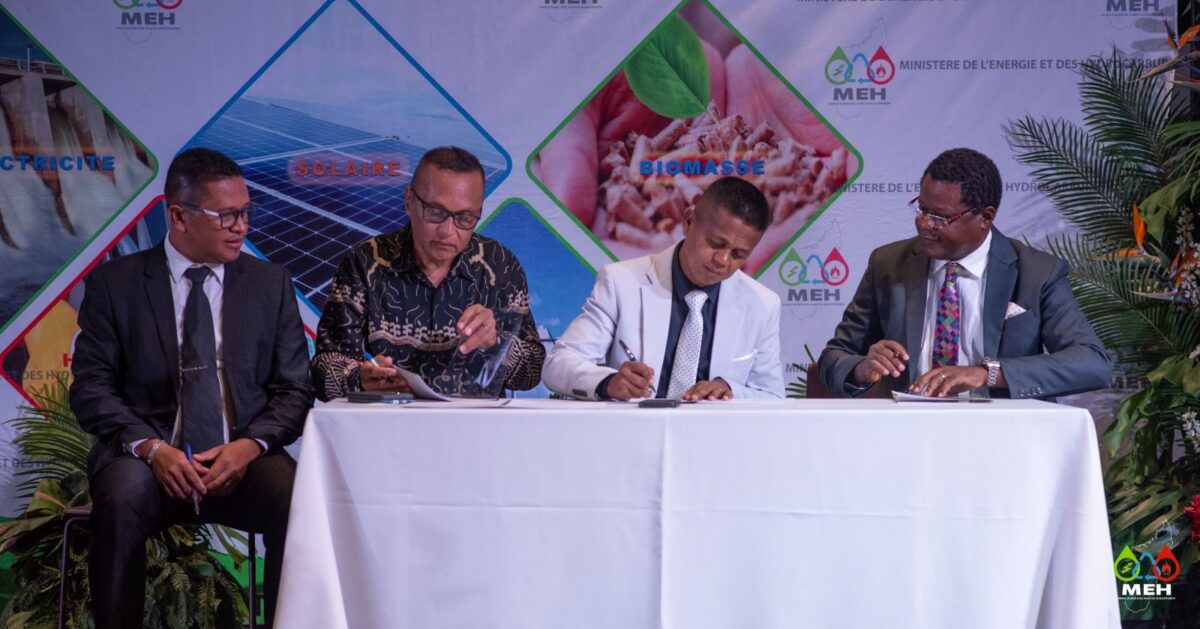
Madagascar ha avanzado de forma sustancial en la expansión de su cartera solar, con la empresa pública Jirama y la agencia de desarrollo de electrificación rural del país, ADER, firmando 46 memorandos de entendimiento que abarcan proyectos con una capacidad combinada de 932 MW. Para un país que intenta mejorar el acceso a la electricidad mientras reduce su dependencia de la energía importada, la magnitud de la medida es notable.
Según el Ministerio de Energía e Hidrocarburos de Madagascar, la participación de Jirama en las adjudicaciones abarca 55 plantas solares previstas con una capacidad total planificada de 526 MW, mientras que la parte de ADER representa 406,72 MW. Los acuerdos involucran a 46 socios públicos y privados. El siguiente paso es convertir los memorandos en contratos firmes, lo que permitiría iniciar la construcción en varias regiones de la isla.
El anuncio es importante no solo por la capacidad destacada, sino porque vincula el desarrollo solar directamente con la estrategia energética nacional. El ministerio presenta explícitamente los proyectos como parte de una apuesta por una mayor independencia energética, un mejor acceso a la electricidad y una menor dependencia de las fuentes de energía importadas. En ese marco, la energía solar no es solo una medida ambiental. Es una política de infraestructura central.
Por qué esto importa para Madagascar
El acceso a la electricidad sigue siendo una cuestión fundamental de desarrollo para muchos sistemas insulares y de mercados emergentes. En esos entornos, los proyectos de generación tienen una doble carga: deben añadir oferta y mejorar la resiliencia. El énfasis de Madagascar tanto en acuerdos liderados por la empresa eléctrica como en otros respaldados por la electrificación rural sugiere un esfuerzo por distribuir la inversión renovable entre distintas partes de la red y más allá de ella.
La división entre Jirama y ADER es reveladora. El papel de Jirama apunta a una planificación de generación centralizada de mayor escala, mientras que la participación de ADER indica que el acceso rural sigue formando parte de la ecuación y no es una cuestión secundaria. Esa combinación puede ser importante en países donde el crecimiento energético nacional y el acceso local no avanzan automáticamente al mismo ritmo.
El número de contrapartes involucradas también sugiere que el gobierno intenta activar una cartera amplia de desarrollo en lugar de depender de un único proyecto insignia. Eso puede acelerar el despliegue si los contratos se convierten sin problemas, aunque también eleva el desafío de ejecución que supone coordinar a muchos actores públicos y privados por separado.
De los memorandos a la construcción real
La prueba inmediata es si estos memorandos se convierten en contratos vinculantes según el calendario previsto. Los anuncios de capacidad planificada pueden atraer atención, pero la verdadera medida es si los proyectos consiguen la base comercial y operativa necesaria para comenzar las obras. El ministerio dice que la conversión de contratos es la siguiente etapa, y ese paso determinará con qué rapidez la señal política actual se convierte en capacidad real de generación.
Aun así, la magnitud del paquete importa por sí misma. Una cartera solar de 932 MW no es un ajuste marginal. Es una declaración de que la energía solar está llamada a desempeñar un papel central en el próximo capítulo energético de Madagascar. Para un país que equilibra acceso, asequibilidad y dependencia de importaciones, ese cambio tiene implicaciones económicas y estratégicas.
Si los proyectos avanzan, Madagascar podría reforzar su base eléctrica interna y mejorar al mismo tiempo el alcance geográfico de la infraestructura energética. Por eso el anuncio merece atención más allá del sector solar. Representa un intento de usar la construcción renovable como palanca para una capacidad estatal y un desarrollo más amplios.
La historia pasa ahora de las firmas a la ejecución. Pero incluso en la etapa de memorandos, Madagascar ha dejado claro que la energía solar se está convirtiendo en un instrumento importante de la planificación energética nacional.
Este artículo se basa en la cobertura de PV Magazine. Leer el artículo original.
Originally published on pv-magazine.com