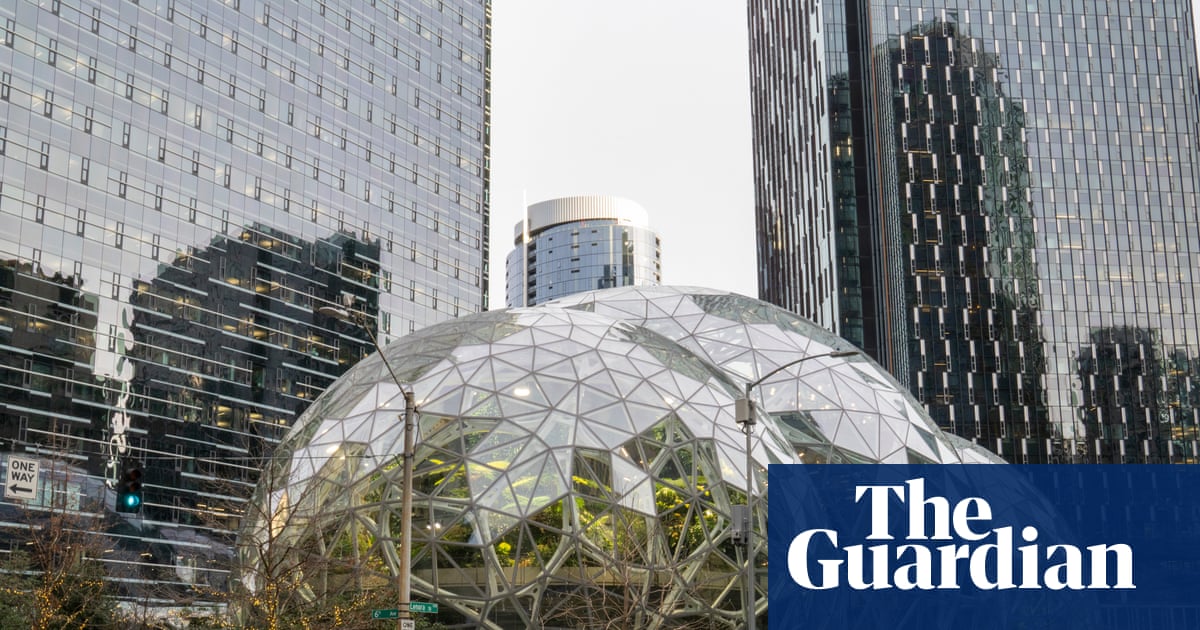
Seattle prueba un nuevo límite a la infraestructura de IA
Seattle está a punto de aprobar una moratoria de un año sobre la construcción de nuevos centros de datos, según el texto fuente de The Guardian proporcionado. Si se adopta, la medida convertiría a Seattle en la ciudad más grande de EE. UU. en dar este paso, mientras crece la resistencia a las demandas de energía, tierra y medio ambiente asociadas al auge de la infraestructura de IA.
El detonante inmediato fue inusualmente concreto. Cuatro empresas buscaron construir cinco grandes centros de datos en zonas atendidas por la empresa de servicios públicos de Seattle y, de aprobarse, esas instalaciones habrían consumido aproximadamente un tercio de la demanda diaria actual de electricidad de la ciudad. Esa sola cifra explica buena parte de la reacción política. En una ciudad ya moldeada por grandes empleadores tecnológicos, la cuestión ya no es si la infraestructura de IA importa, sino quién asume los costos de alojarla.
Qué está haciendo la ciudad
El texto fuente indica que los comités del concejo municipal aprobaron por unanimidad tanto la moratoria como una resolución complementaria, y que se espera una votación del pleno el martes. Los legisladores describieron la medida como una forma de proteger a los residentes del aumento de las tarifas de servicios públicos y de los riesgos ambientales, al tiempo que se concede a la ciudad tiempo para redactar normas adaptadas a las grandes instalaciones de la industria.
Esa formulación es importante. Seattle no está simplemente rechazando los centros de datos de forma absoluta. Está usando una pausa para decidir si y cómo estos proyectos deben encajar en un sistema urbano denso con demandas competitivas de electricidad, asequibilidad y planificación ambiental. En términos de política pública, se trata de una pausa estratégica, no de una solución final.

Por qué esta disputa es distinta
Los centros de datos han suscitado durante mucho tiempo preocupaciones locales sobre el uso de agua, las necesidades de transmisión, la generación de respaldo y la conversión de suelo. Lo nuevo es la velocidad y la escala de la expansión impulsada por la IA. La fuente de The Guardian vincula el debate de Seattle con la ola de inversión más amplia liderada por grandes compañías tecnológicas, señalando un gasto previsto en IA para 2026 de 390.000 millones de dólares por parte de Amazon y Microsoft, mientras que trabajadores tecnológicos locales también se han organizado contra las instalaciones propuestas.
Esa combinación le da al tema un peso simbólico inusual. Seattle no es un bastión antitecnológico. Es una de las bases de la industria. Una moratoria allí parece menos una revuelta local aislada y más una señal de que incluso los grandes centros tecnológicos están reevaluando los compromisos públicos de la infraestructura digital a gran escala.
Política local, señal nacional
La alcaldesa Katie Wilson dijo a The Guardian que se enteró por primera vez de las propuestas cuando el Seattle Times informó sobre ellas en abril. Señaló que tanto ella como muchos concejales estaban dispuestos a avanzar hacia una moratoria, especialmente dada la fuerte presión pública. Según la fuente, activistas, grupos climáticos, organizaciones progresistas y un grupo de empleados de Amazon participaron en la difusión y el contacto con los legisladores municipales.
Esa coalición importa porque amplía el asunto más allá de las preocupaciones clásicas de uso del suelo vecinal. La oposición está vinculando los centros de datos con la asequibilidad de los servicios públicos, la carga climática, la política laboral y las consecuencias sociales de la inversión en IA. En otras palabras, el debate ya no trata solo de naves llenas de servidores. Se trata de si las comunidades deberían subvencionar la huella física de una industria cuyos beneficios económicos pueden distribuirse de forma mucho más estrecha que sus costos.

La cuestión regulatoria por delante
Según los informes, los legisladores de Seattle pretenden aprovechar el periodo de moratoria para redactar normas específicas para centros de datos. Eso sugiere que la siguiente fase se centrará en umbrales y condiciones más que en eslóganes. Las posibles cuestiones incluyen el origen de la energía, el impacto en la transmisión, las restricciones de ubicación, los estándares de energía de respaldo, las obligaciones de divulgación y hasta qué punto las grandes instalaciones deberían asumir directamente los costos de infraestructura.
Sea cual sea la decisión final de Seattle, es probable que el proceso sea seguido de cerca más allá del estado de Washington. La fuente señala que los defensores esperan que la condición de Seattle como ciudad tecnológica anime a otras jurisdicciones que ya están considerando regular los centros de datos. Si eso ocurre, las disputas locales sobre subestaciones y uso del suelo podrían convertirse en una frente político más amplio en la gobernanza de la IA.
Un cambio en la narrativa de infraestructura
Durante años, los servicios digitales solían describirse como si vivieran en la nube, desvinculados de las duras limitaciones industriales. La expansión de la IA ha hecho más difícil sostener esa idea. Entrenar y servir modelos avanzados requiere enormes sistemas físicos: chips que consumen mucha energía, equipos de refrigeración, subestaciones, planificación de la transmisión y edificios altamente especializados.
La moratoria propuesta por Seattle convierte esa realidad en política municipal. Trata la infraestructura de IA no como un motor abstracto de innovación, sino como una actividad industrial con consecuencias públicas medibles. Tanto si la ciudad termina imponiendo solo límites temporales como si crea un marco de permisos duradero, el mensaje ya está claro: las comunidades quieren más voz en cómo la economía de la IA aterriza en el suelo que la sostiene.
Este artículo está basado en un reportaje de The Guardian. Leer el artículo original.

Originally published on theguardian.com