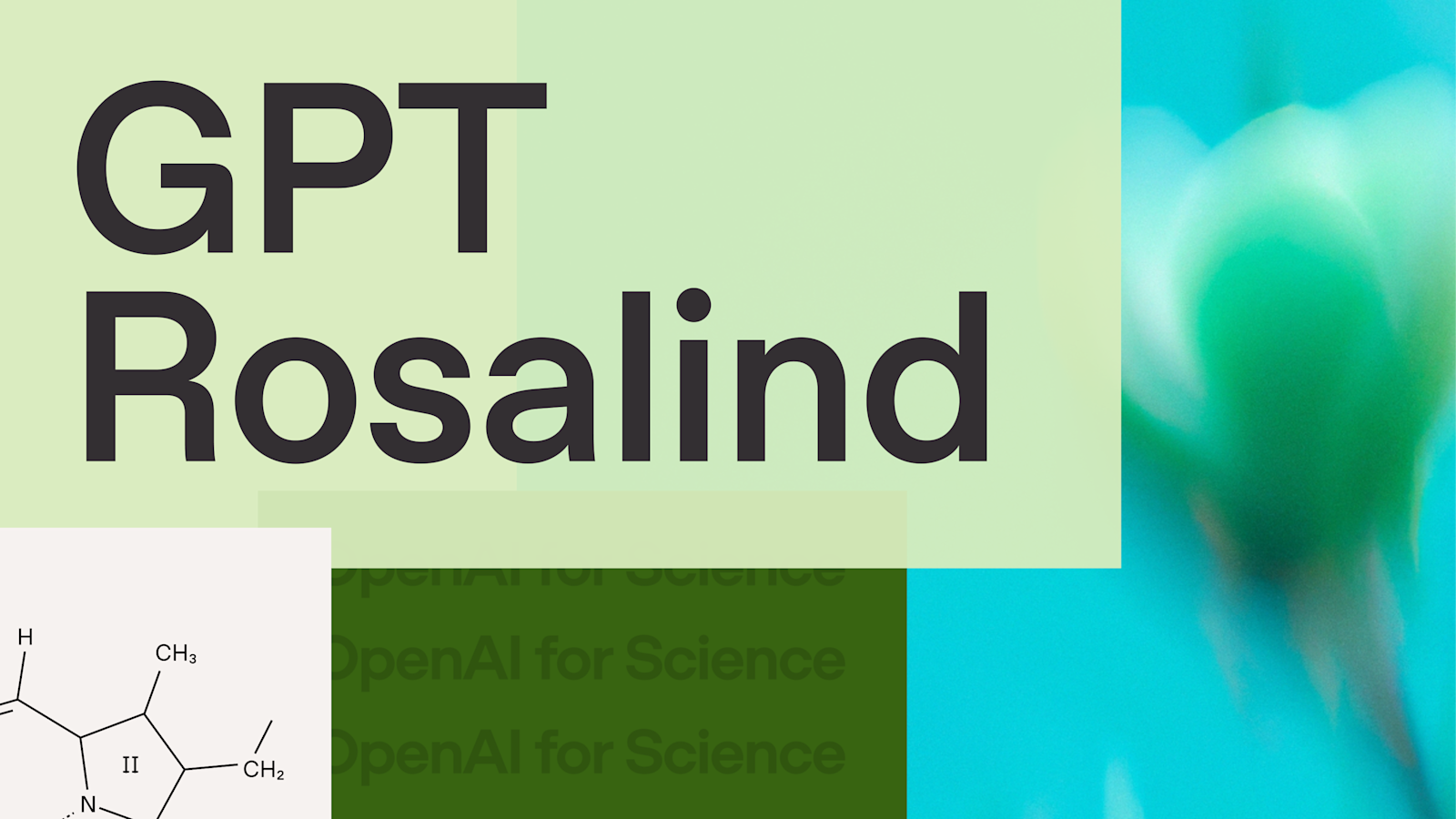
Un modelo especializado para las ciencias de la vida
OpenAI ha presentado GPT-Rosalind, un modelo de razonamiento de frontera diseñado específicamente para flujos de trabajo de biología, descubrimiento de fármacos y medicina traslacional. Según el anuncio de la compañía proporcionado, el modelo está optimizado para trabajos científicos que abarcan química, ingeniería de proteínas, genómica, síntesis de evidencia, generación de hipótesis y planificación experimental.
El lanzamiento refleja un cambio más amplio en el desarrollo de la inteligencia artificial: en lugar de depender por completo de modelos de propósito general para dominios especializados, los desarrolladores están construyendo cada vez más sistemas adaptados a la estructura de los flujos de trabajo reales de un campo. En las ciencias de la vida, eso importa porque los cuellos de botella no son solo computacionales. También son organizativos, informativos y metodológicos.
Por qué OpenAI dice que el modelo es necesario
El texto proporcionado subraya la complejidad de la investigación biomédica en etapas tempranas. Los científicos deben trabajar con grandes volúmenes de literatura, bases de datos especializadas, resultados experimentales e hipótesis biológicas en evolución. OpenAI sostiene que estos flujos de trabajo consumen mucho tiempo, están fragmentados y son difíciles de escalar, y que un mejor apoyo de IA podría acelerar las primeras etapas del descubrimiento, donde las ganancias se amplifican en fases posteriores.
Esa formulación es importante. GPT-Rosalind no se está promocionando simplemente como un chatbot para preguntas de biología. Se presenta como una herramienta de razonamiento y flujo de trabajo destinada a ayudar a los investigadores a pasar de los datos brutos y la evidencia publicada a mejores hipótesis y decisiones experimentales.
OpenAI afirma que el modelo está disponible como vista previa de investigación en ChatGPT, Codex y la API para clientes cualificados a través de un programa de acceso de confianza. La compañía también dice que está introduciendo un complemento de investigación de ciencias de la vida para Codex que conecta los modelos con más de 50 herramientas científicas y fuentes de datos.
Qué se supone que debe hacer el modelo
Los casos de uso anunciados abarcan una gran parte de la investigación preclínica moderna. La compañía afirma que GPT-Rosalind está diseñado para apoyar el descubrimiento de fármacos, el análisis genómico, el razonamiento sobre proteínas y otros flujos de trabajo científicos. Más concretamente, el anuncio destaca la síntesis de evidencia, la generación de hipótesis y la planificación experimental como tareas centrales de varios pasos que el modelo está diseñado para mejorar.
Esto importa porque la investigación en ciencias de la vida a menudo fracasa no por falta de información bruta, sino por la dificultad de integrar muchos tipos de información a la vez. Un sistema que pueda moverse con mayor fluidez entre conjuntos de datos, literatura, herramientas y razonamiento mecanístico podría volverse valioso incluso si no reemplaza ninguna técnica de laboratorio en particular.
OpenAI también dice que está trabajando con clientes como Amgen, Moderna, el Allen Institute y Thermo Fisher Scientific. Esa lista sugiere que la compañía busca una adopción práctica en entornos de investigación, en lugar de tratar el modelo como un lanzamiento de plataforma puramente especulativo.
Una afirmación sobre mejores decisiones en etapas tempranas
El argumento más sólido del anuncio es que un mejor apoyo de IA en las primeras fases de la cadena de descubrimiento puede tener efectos acumulativos más adelante. Si mejora la selección de objetivos, se fortalecen las hipótesis biológicas y los experimentos se diseñan mejor, entonces las etapas posteriores del desarrollo podrían volverse más eficientes y menos desperdiciadoras.
Es una afirmación atractiva porque el costo y el tiempo necesarios para desarrollar fármacos siguen siendo extraordinariamente altos. El texto proporcionado señala que, por lo general, se tarda entre 10 y 15 años en pasar del descubrimiento de un objetivo a la aprobación regulatoria en Estados Unidos. Cualquier herramienta que haga más inteligente la parte inicial de ese proceso tiene un potencial de valor desproporcionado.
Aun así, el estándar práctico de éxito será exigente. En ciencias de la vida, un modelo útil debe hacer más que sonar plausible. Debe ayudar a los investigadores a tomar decisiones fundamentadas bajo incertidumbre, interactuar de forma fiable con herramientas y datos del dominio, y evitar introducir sugerencias engañosas que desperdicien tiempo o distorsionen las prioridades experimentales.
Por qué la IA específica de dominio es cada vez más importante
GPT-Rosalind encaja en una tendencia más amplia de la industria hacia la especialización por dominios. Los modelos generales son versátiles, pero los campos altamente técnicos suelen requerir distintos equilibrios entre razonamiento, recuperación, uso de herramientas y tolerancia al riesgo. La biología es un caso especialmente sólido porque su base de conocimiento es enorme, los subcampos están fragmentados y las consecuencias prácticas del error pueden ser significativas.
Al nombrar categorías específicas de flujo de trabajo y vincular el modelo a herramientas científicas externas, OpenAI está señalando que considera la adaptación al dominio algo más que una cuestión de marca. La dirección del producto sugiere que la próxima ola de adopción de IA en la investigación puede depender tanto de la integración y el diseño del flujo de trabajo como del rendimiento en pruebas de referencia por sí solo.
La decisión de la compañía de restringir el acceso mediante un programa para clientes cualificados también refleja la sensibilidad del dominio. Los modelos para ciencias de la vida pueden ser potentes, pero también se entrelazan con preocupaciones de seguridad, fiabilidad y control de acceso que no son idénticas a las del despliegue de IA de consumo.
Qué observar a continuación
La siguiente fase dependerá de la evidencia de uso real. Los investigadores querrán saber cómo se desempeña GPT-Rosalind en entornos científicos reales, si mejora de forma medible la planificación experimental o la priorización de objetivos, y qué tan bien maneja la ambigüedad que define gran parte de la biología.
El anuncio en sí tiene el cuidado de presentar el modelo como un sistema de apoyo para los flujos de trabajo de descubrimiento, no como un sustituto de la validación de laboratorio. Ese es el enfoque correcto. En la investigación biomédica, un mejor razonamiento puede acortar el camino hacia buenos experimentos, pero no puede sustituir la prueba experimental.
Para Developments Today, la importancia de GPT-Rosalind es clara. OpenAI está yendo más allá de las narrativas de IA de propósito general y entrando en un dominio científico de alto valor con un modelo específicamente ajustado a la forma en que trabajan los investigadores. Si el sistema demuestra ser útil en la práctica, podría marcar un paso significativo en cómo las herramientas de IA entran en las ciencias de la vida: no como asistentes genéricos, sino como infraestructura de investigación específica para flujos de trabajo.
Este artículo se basa en información de OpenAI. Leer el artículo original.
Originally published on openai.com