Fuel shock spreads from geopolitics to household budgets
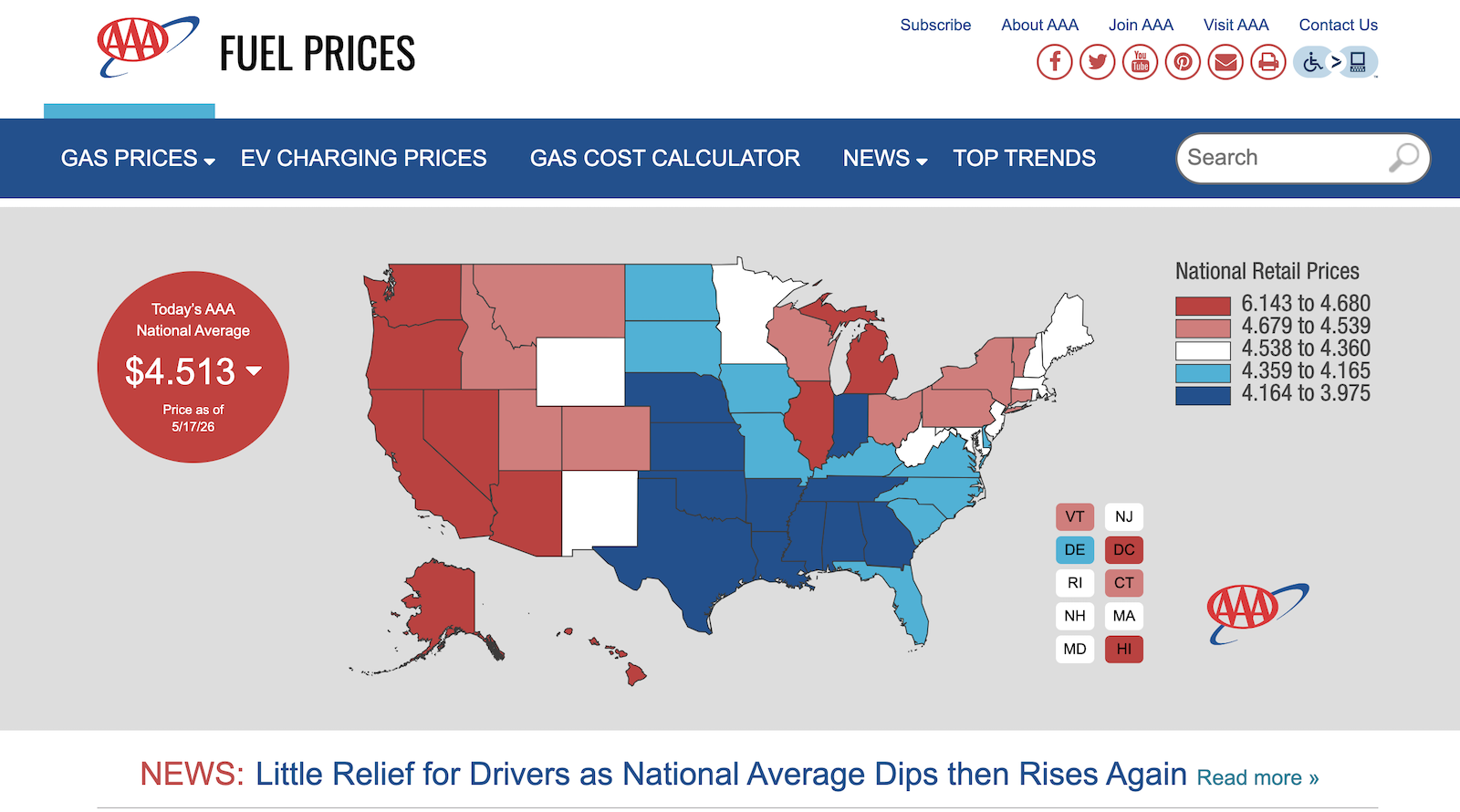
US drivers are absorbing a much sharper fuel shock than they were just weeks ago. According to the supplied reporting, the national average price of gasoline has risen from $2.89 a gallon before the late-February US bombing of Iran to roughly $4.52 a gallon by mid-May. That is a 56% jump in less than three months, a move large enough to turn an international supply disruption into a direct hit on household budgets.
The immediate backdrop is not a routine seasonal rise. The reporting ties the increase to the 2026 Iran war and the closure of the Strait of Hormuz, one of the world’s most important energy chokepoints. In that framework, higher pump prices are not simply a retail story. They are the consumer-facing result of a broader disruption in crude flows, shipping risk, and tightening supplies across the global oil system.
Why the Strait of Hormuz matters so much
The market sensitivity makes sense. A disruption around the Strait of Hormuz affects not only oil volumes but also confidence that supply can keep moving normally. Even before shortages fully materialize, the threat of a prolonged blockade can drive up prices through fear of tighter availability, more expensive transport, and heavier use of strategic inventories.
The supplied article points to fading hopes for a quick diplomatic off-ramp. It cites reporting that President Donald Trump failed to secure a commitment from China to help persuade Iran to reopen the strait. In practical terms, that means traders, refiners, and consumers are still operating in a market where the core bottleneck remains unresolved.

From oil disruption to daily inflation pressure
Gasoline prices are among the fastest economic indicators to reach consumers. A rise from under $3 to more than $4.50 a gallon quickly reshapes commuting costs, delivery prices, and household planning. For budget-strapped families, the change is immediate: more money goes to transportation, leaving less for food, rent, or discretionary spending.
The reporting argues that the broader system has so far leaned on oil reserves to limit an even steeper spike. But that is, at best, a temporary cushion. Reserve drawdowns can buy time for policymakers, yet they do not reopen shipping lanes or restore normal trade patterns on their own. If the conflict persists and emergency supplies run lower, the pressure on fuel prices could intensify again.
A supply crisis with wider energy implications
The supplied source says the International Energy Agency has described the current disruption as the largest supply shock in the history of the global oil market. Whether viewed through that exact characterization or through the raw price movement alone, the message is clear: this is not a minor fluctuation. It is a major energy-security event unfolding in real time.
The consequences reach beyond drivers. Sustained oil-market stress can ripple into freight, airline costs, manufacturing, and electricity markets where fuel inputs still matter. Even where consumers do not buy gasoline directly, they often pay indirectly through higher prices across the economy.

No quick fix yet
For now, the central fact is straightforward. The US fuel market remains highly exposed to geopolitical risk, and the current conflict has already translated into a severe increase at the pump. Unless the Strait of Hormuz reopens and supply conditions stabilize, the country is likely to remain in a period of unusually high gasoline costs with little near-term relief in sight.
This article is based on reporting by CleanTechnica. Read the original article.
Originally published on cleantechnica.com