A Retired Plant That Never Quite Retired
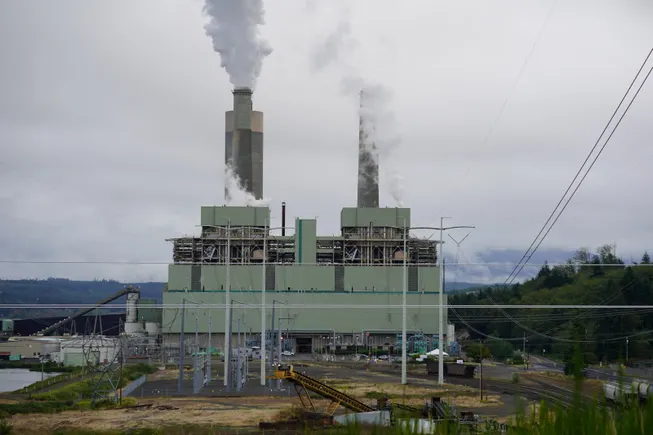
TransAlta is asking to recover $19.9 million in costs tied to the continued availability of its 730-megawatt Centralia coal plant in Washington after intervention by the U.S. Department of Energy. According to Utility Dive’s summary of an April 30 filing at the Federal Energy Regulatory Commission, the company spent money keeping the plant available instead of retiring it on schedule, even though the facility produced no electricity during the first 90-day federal emergency order.
That combination makes Centralia an unusually clear example of the tensions now running through U.S. energy policy. On one side is a state-directed retirement pathway for a coal plant that was supposed to shut by the end of 2025 and move promptly into conversion work for natural-gas operations. On the other is a federal assertion that the same plant must remain available to address a claimed grid emergency in the Northwest. The result is a plant that is not operating normally, is not fully retired, and is now generating a dispute over who should pay for the costs of keeping it in reserve.
The Cost of Standby Power
TransAlta’s filing illustrates how expensive “available but not running” can become. The company says it incurred fixed costs for materials, insurance, and salaries while maintaining the plant during the first emergency-order period, which ended on March 16. DOE issued a second 90-day order the same day the first expired.
The requested $19.9 million does not cover every possible future expense. TransAlta also told regulators it may need another $23 million for repairs if DOE continues issuing emergency orders. If the unit is called upon to start, the cost picture becomes even steeper. The company estimated startup costs of $577,377 per start, excluding the first start, which would cost $201,627. Once running, the plant would cost $83.44 per megawatt-hour for the first 150,866 megawatt-hours of operation and $113.49 per megawatt-hour beyond that.
Those figures matter because they turn an abstract emergency-power debate into a measurable policy tradeoff. Federal intervention may preserve reserve capacity, but it does not do so cheaply. And in Centralia’s case, the plant was not even generating power during the first order period. The money was spent to preserve optionality.
Federal Emergency Authority Meets State Law
The legal and political tension is equally significant. DOE is relying on section 202(c) of the Federal Power Act, which it says gives the department authority to order fossil-fueled power plants to continue operating under emergency conditions. Utility Dive reports that DOE contends Centralia must remain open to address a grid emergency in the Northwest.
That federal stance collides with Washington state law, which required the plant to shut by the end of 2025. Challengers to the DOE order, including Washington’s attorney general and a coalition that includes the Sierra Club, argue the department has failed to show that a genuine emergency exists to justify keeping Centralia online.
This is more than a one-plant disagreement. It is a test of how far federal emergency authority can reach when it runs against state decarbonization policy. If DOE can compel continued availability for a coal unit that was due to close under state law, then similar disputes could recur elsewhere as aging fossil infrastructure retires before replacement systems are fully trusted to carry peak and contingency loads.
The Energy Transition’s Reliability Problem
Centralia’s case lands in the middle of a larger transition challenge. Policymakers want older coal assets to exit the system. Utilities and independent producers are planning closures. At the same time, grid operators and federal officials remain wary of reliability shortfalls, particularly during regional stress events. That creates a recurring pattern: plants are scheduled to retire under one policy framework, then pulled back into service or held in reserve under another.
What makes Centralia particularly revealing is that the plant was expected to begin conversion work to natural gas-fired operations after retirement. In other words, this was not a story of indefinite coal dependence so much as a disrupted transition pathway. Emergency orders freeze that transition in place. The plant cannot fully retire, but it also cannot fully move on.
That limbo has practical consequences. Equipment degrades. Repair needs accumulate. Staff and materials must be maintained. And the owner, in this case a Calgary-based independent power producer, seeks cost recovery from ratepayers. Reliability insurance, in other words, arrives as a real bill.

Who Pays for Emergency Reliability?
The ratepayer question is central. TransAlta is asking FERC to allow it to recover the costs of compliance. From the company’s perspective, the case is straightforward: the federal government required continued availability, so the company should not bear the economic burden alone. From the consumer and policy side, the issue is less simple. If emergency interventions become common, ratepayers could find themselves financing the prolonged life of plants that official policy had already decided to exit.
That creates a difficult incentive structure. Markets and state policies may encourage retirement, but reliability fears can reintroduce those same assets at elevated cost. If the public pays to keep them available, the transition may slow while still becoming more expensive.
A Small Case With National Significance
Centralia is just one plant, but the issues around it are national. How much standby fossil capacity should the grid keep during a period of rapid transition? What evidence should justify federal emergency orders? How should costs be allocated when an asset is kept alive for reliability rather than ordinary market service? And how should federal emergency power interact with state decarbonization law?
Those questions are not going away. As more aging plants approach retirement, the pressure to preserve dispatchable capacity during uncertain periods will likely intensify. Centralia therefore looks less like an anomaly and more like an early template for the next phase of the energy transition: slower, more contested, and more expensive than official retirement schedules alone might suggest.
- TransAlta seeks $19.9 million to recover costs of keeping Centralia available under DOE orders.
- The coal plant generated no electricity during the first 90-day emergency order period.
- The company says another $23 million in repairs may be needed if orders continue.
- The dispute pits federal grid-emergency authority against Washington state’s plant-retirement law.
This article is based on reporting by Utility Dive. Read the original article.
Originally published on utilitydive.com