A different sales pitch for rooftop solar
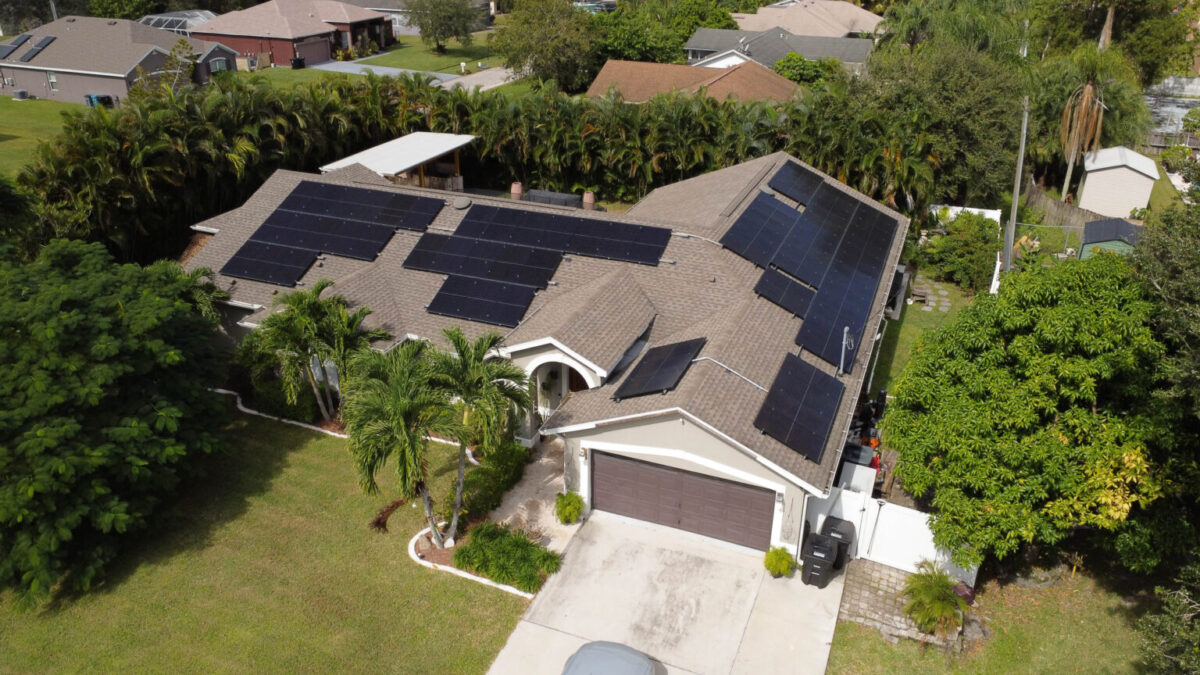
Florida-based Terra Energy is trying to reshape the residential solar business with a simpler promise: sign up the way you would for a cellphone plan instead of a 20- or 25-year energy contract. The company offers homeowners a solar subscription structured around an initial 36-month agreement, no upfront payment, no lien on the home and a fixed monthly rate that rises by 1.9% annually.
That model stands out because conventional third-party-owned residential solar in the United States has long relied on long-duration leases or power purchase agreements. Those arrangements can reduce upfront cost, but they also ask households to make a commitment that lasts for decades. Terra’s pitch is that the product itself, not just the savings, should feel easier to understand and easier to accept.
The company’s chief executive, Jaime Martinez, told pv magazine USA that the goal is to make solar a digestible consumer product with a short-term commitment comparable to a car lease or phone service. The thesis behind that approach is simple: if the service proves to be the best source of energy for a given home, customers will have a reason to stay. In that sense, Terra is using contract length as a way to lower adoption friction and then betting on long-term retention through performance.
Why contract structure matters in home energy
The importance of the model is less about marketing language than about how customers perceive risk. Rooftop solar may be a mature technology, but the household decision to adopt it still sits at the intersection of finance, property value, trust and long-term uncertainty. Long contracts can amplify hesitation, especially when homeowners are unsure how long they will remain in a property or how future utility rates, equipment performance and family energy use might change.
By limiting the initial commitment to 36 months, Terra is trying to move solar closer to subscription economics that many consumers already accept in other parts of daily life. The absence of upfront investment and the absence of a lien are also notable elements of that framing. Together, they attempt to remove two common barriers: immediate cost and concerns tied to the home itself.
This does not automatically make the model cheaper over time, nor does it guarantee scale. But it does represent a meaningful commercial experiment in how residential solar is packaged and sold. In an industry where financing terms often shape adoption as much as hardware performance does, that makes the company’s approach worth watching.

Subscription logic comes to distributed energy
Terra’s strategy reflects a wider trend in technology and infrastructure markets: turning capital-intensive products into services. Rather than asking the customer to buy a system or commit to a decades-long structure, the provider takes on more of the complexity and presents the result as a manageable monthly payment.
In principle, that can make distributed energy feel less exceptional and more routine. Solar stops being a one-time home improvement project and starts to resemble a recurring utility-like service. For consumers, that may simplify the decision. For the provider, it creates a different kind of challenge. Retention becomes central. If customers are free to leave after a relatively short term, the company has to keep proving value.
Martinez’s comments suggest that Terra sees that pressure as an advantage rather than a drawback. A shorter initial contract forces the provider to remain competitive and to continue delivering a better option than the local alternative. That is a stronger ongoing test than a very long lease that secures revenue up front.
What the model says about the state of the solar market
The fact that a startup is trying this structure says something about the current state of the US rooftop solar market. Residential solar is no longer an unfamiliar product, but its business models are still evolving. High customer acquisition costs, financing complexity and consumer skepticism remain persistent issues. Any company that can make the signup process feel less intimidating may open access to households that would otherwise delay or avoid adoption.
At the same time, Terra’s approach reflects confidence that solar can compete on service quality, not just on long-run economics. A 36-month starting term only works if customers believe the provider will continue to offer value beyond the initial period. That means billing clarity, system reliability and customer experience all become more visible parts of the product.
The model may also appeal to homeowners who resist encumbrances that could complicate a future move. Long-term solar agreements can create questions during home sales, particularly if buyers must assume an existing contract. Terra’s no-lien structure and shorter initial period appear designed to reduce that friction, even if the broader economics will ultimately decide how compelling the offer becomes.
An experiment in making energy easier to buy
There is a broader strategic idea here. The easier a clean-energy product is to understand, the more likely it is to scale outside early-adopter audiences. Residential solar has often been sold through a process-heavy model involving consultations, financing explanations and long documents. Terra is attempting to compress that into something that feels more normal to mainstream consumers.
That does not eliminate the complexity behind the scenes. Someone still has to finance, install and operate the system. The risk does not disappear; it moves toward the provider. But from a market-development perspective, shifting that burden away from the homeowner may be precisely the point.
If the approach works, it could influence how other distributed-energy products are offered, from rooftop solar to home batteries and bundled energy services. If it does not, it will still provide a useful test of whether contract simplification alone is enough to move the needle in a mature but still friction-heavy market.
The bigger question
Terra Energy is not claiming a breakthrough in photovoltaic technology. Its wager is on business model design. That may sound less dramatic, but it addresses one of the most stubborn realities in the energy transition: many technologies that are technically viable still struggle when they meet consumers in the real world.
By treating solar more like a service subscription and less like a once-in-a-generation financing decision, the company is trying to reduce that gap. Whether households embrace the model at scale remains to be seen. But the effort highlights an important truth about clean-energy adoption in 2026: making the product easier to buy can be as significant as improving the hardware itself.
This article is based on reporting by PV Magazine. Read the original article.
Originally published on pv-magazine.com