Electric load growth is back, and data centers are leading it
For years, U.S. utilities talked about load growth as a future possibility. Southern Company’s latest quarterly figures suggest it is now a present-tense reality. The company reported 2.3% year-over-year growth in retail electricity sales in the first quarter of 2026, with data centers accounting for much of the increase.
The most striking number in the supplied source text is the 42% rise in data-center electricity use compared with the first quarter of 2025. Southern also said it now has 28 large-load projects representing 11 gigawatts under contract, up from 26 projects totaling 10 gigawatts at the end of 2025.
Why the numbers matter
Utility demand growth has often been slow, especially in mature regulated markets. That is why Southern’s chief financial officer called the 2.3% increase the strongest total retail sales growth the company has seen in the first quarter in recent history. The commercial class grew 4.5% when adjusted for weather, and company executives directly linked that performance to ongoing data-center demand.
This is more than an earnings-call talking point. It signals a structural shift in how electric utilities are planning capital spending, new generation, and grid upgrades. The rise of artificial intelligence and cloud infrastructure has turned data centers into one of the most consequential sources of new power demand in the country.
Georgia Power is already spending for the shift
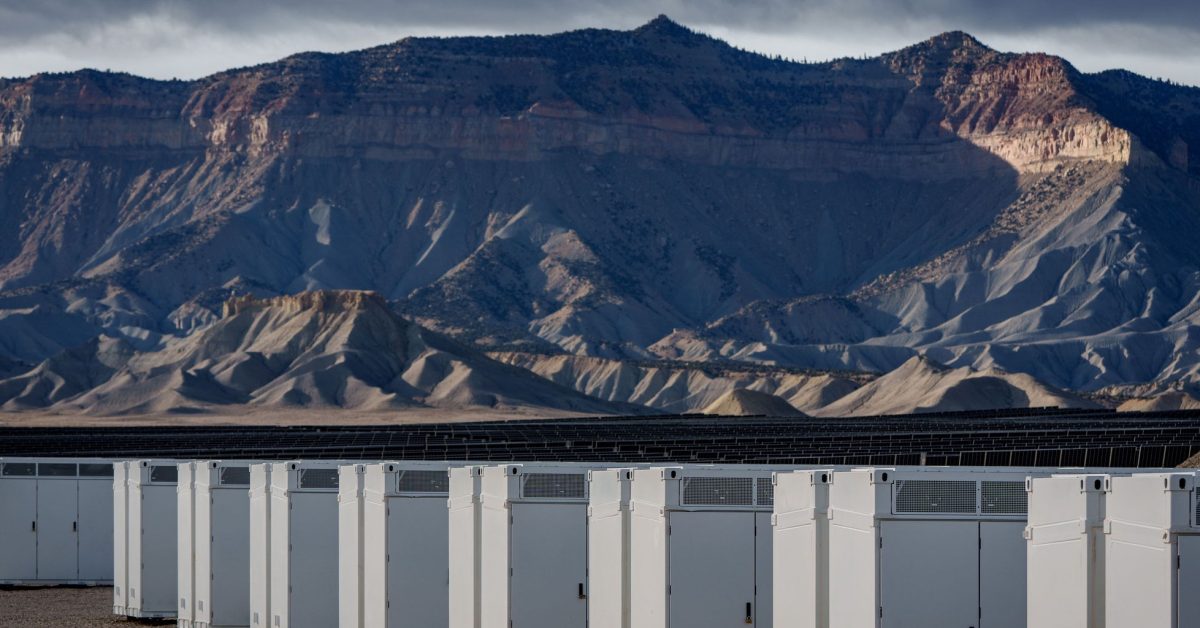
Southern’s largest subsidiary, Georgia Power, increased first-quarter capital expenditures from $1.6 billion a year earlier to more than $2 billion. The utility is also seeking another 2 to 6 gigawatts of new all-source capacity for 2032 through 2033, including thermal generation, energy storage systems, battery storage, and renewables.
That mix is telling. Utilities facing large new loads are not betting on a single solution. Instead, they are assembling portfolios that combine dispatchable generation with storage and renewables, trying to balance reliability, speed of deployment, regulatory approval, and cost.
The queue behind the queue
The signed contracts are only part of the picture. Beyond the 11 gigawatts already under contract, Southern said it is finalizing another 6 gigawatts of large-load customers and sees a prospective pipeline of 75 gigawatts. Not all of that pipeline will turn into real projects, but the scale of the interest shows how dramatically the utility outlook can change when hyperscale computing enters the territory.
For investors and regulators, this creates both opportunity and risk. More load can support more infrastructure spending and potentially spread costs across a larger sales base. But it also requires utilities to build fast, secure financing, and avoid overcommitting to projects that may not fully materialize.

The reliability challenge behind the growth story
Southern plans to add 400 megawatts of gas capacity through turbine upgrades at existing facilities in Alabama and Georgia. That choice reflects the pressure utilities face when very large customers need dependable power at a known timetable. Renewable and storage growth continues, but operators also want resources that can be counted on during peak demand and system stress.
The company also closed a $26.5 billion Department of Energy loan package in February, according to the supplied source text. Access to financing at that scale will matter if utilities are expected to modernize grids while also accommodating industrial-sized demand from computing customers.
A broader signal for the power sector
Southern is not the only utility talking about data-center demand, but its first-quarter results provide one of the clearest snapshots yet of what the trend looks like in regulated utility territory. The shift is measurable in sales growth, contracts, capital expenditures, and long-range capacity requests.
That makes Southern’s update an important marker for the energy sector. Data centers are no longer just one more source of commercial demand. In some markets, they are becoming the central planning assumption around which utilities build new infrastructure strategies.
If that continues, the utility business may enter a period that looks very different from the flat-demand era that shaped so much of its recent past. Southern’s quarter suggests that period may already be ending.
This article is based on reporting by Utility Dive. Read the original article.
Originally published on utilitydive.com