A Turning Point for American Offshore Wind
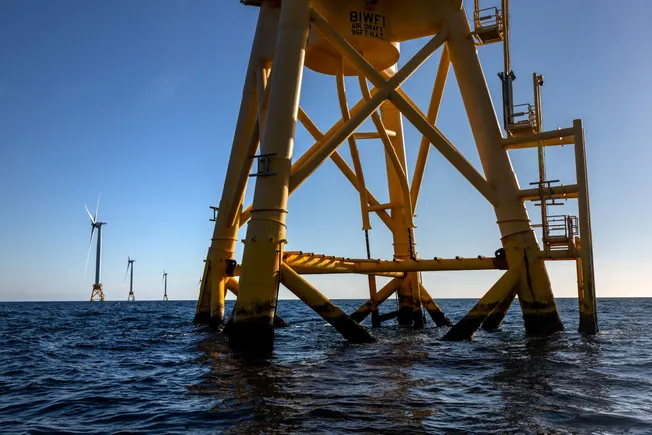
The United States offshore wind industry has spent years navigating permitting delays, supply chain shortfalls, and economic headwinds. In March 2026, it reached a pair of milestones that suggest the sector is finally transitioning from promise to delivered capacity. Revolution Wind, a 700-megawatt project developed by Ørsted and Eversource off the coast of Rhode Island, has come online and begun supplying power to the New England grid. Simultaneously, the 800-megawatt Vineyard Wind 1, the largest offshore wind project in US history, has completed physical construction of its turbine array.
Revolution Wind is now the third offshore wind project in the United States to achieve commercial operations. Its arrival matters not just for its individual capacity but as evidence that the permitting and construction pipeline that stalled during the post-pandemic inflation period is beginning to clear.
Revolution Wind: Scale and Significance
The 700-megawatt output from Revolution Wind is sufficient to power approximately 350,000 homes under average New England consumption patterns. The project uses Siemens Gamesa offshore turbines and connects to the grid via onshore transmission infrastructure built in coordination with Rhode Island and Connecticut utilities. Both states signed long-term power purchase agreements that provided the revenue certainty that made the project financeable despite a turbulent period for offshore wind economics.
The project's completion came after a difficult period during which Ørsted and Eversource renegotiated contract terms following significant cost increases driven by steel prices, interest rate changes, and supply chain disruptions that emerged from 2021 onward. The fact that it has reached commercial operations represents a successful navigation of those challenges and provides a template for projects still in development.
Vineyard Wind 1: Construction Complete
Vineyard Wind 1, located roughly 15 miles south of Martha's Vineyard, represents the country's largest offshore wind project at 800 megawatts across 62 GE Vernova Haliade-X turbines. The completion of physical turbine installation is a significant milestone, but the project is still working through commissioning steps before it achieves full commercial operations.
Vineyard Wind became something of a symbolic project for clean energy policy and has faced sustained legal challenges from fishing industry groups and some coastal residents. Those challenges have added complexity to its path, but the completion of construction makes it increasingly difficult for opponents to halt operations entirely.
The Broader US Offshore Wind Pipeline
The combined progress of Revolution Wind and Vineyard Wind 1 is significant for the states that contracted their power and for the country's clean energy trajectory. New England has some of the most ambitious state-level clean energy targets in the US, with Massachusetts, Rhode Island, Connecticut, and New York all requiring substantial percentages of their electricity to come from renewable sources within this decade.
High-profile project cancellations in previous years dimmed enthusiasm and raised questions about whether the economics could ever work under US market conditions. The projects that survived did so by securing revised contracts that reflected realistic costs, a painful but necessary adjustment that has now produced real, delivering infrastructure.
Grid Integration and Transmission
One underappreciated challenge for offshore wind at scale is transmission. The electricity produced by offshore turbines must travel through submarine cables to onshore converter stations and then into existing grid infrastructure. Revolution Wind's transmission solution, coordinated with ISO-NE, represents one model for how this can work. As more projects come online in the coming years, the transmission question will grow more complex and expensive, and proactive investment in grid expansion will determine how much capacity can ultimately be integrated.
What Comes Next
Several projects in the Northeastern US are in various stages of permitting and development. New England Aqua Ventus and additional phases of Vineyard Wind represent the next generation. Beyond New England, projects off the coasts of New York, New Jersey, and increasingly the Gulf Coast and Pacific are progressing through environmental review. Each successful completion makes the next project easier to finance and approve, building a track record that lenders and state regulators both need to see.
This article is based on reporting by Utility Dive. Read the original article.

Originally published on utilitydive.com