PG&E’s flexible interconnection pilot is becoming a test case for faster power access
Pacific Gas & Electric says interest is rising in a pilot program designed to connect large new electricity users to the distribution grid much faster than a traditional firm interconnection would allow. The program, called Flex Connect, is aimed at customers willing to accept occasional utility-imposed limits on their power use when local grid conditions are tight.
That tradeoff matters because the queue for new electric service is lengthening in many parts of the United States. EV charging operators, data center developers, manufacturers, and storage projects are all seeking new capacity at the same time utilities are confronting slower timelines for network upgrades. PG&E’s early results suggest that some customers may be willing to accept a non-firm connection if it means energizing in months rather than waiting several years.
According to PG&E, customers in the program have been able to access their needed capacity during 90% of hours over the pilot’s first two years. The utility also said active participants have seen their operational loads affected less than 1% of the time, during what it described as rare moments when local grid constraints and high customer demand occur at once.
How the program works
Flex Connect is built around a practical exchange. A customer links its own energy management system to PG&E’s grid management platform. PG&E then provides scheduled or real-time capacity limits based on local grid availability, and the customer is expected to keep its load within that envelope.
That means the customer does not receive the always-available, fully firm service that would come with a conventional interconnection after all required upgrades are complete. Instead, it gets earlier access to the grid under operating rules that can reduce stress on constrained circuits.
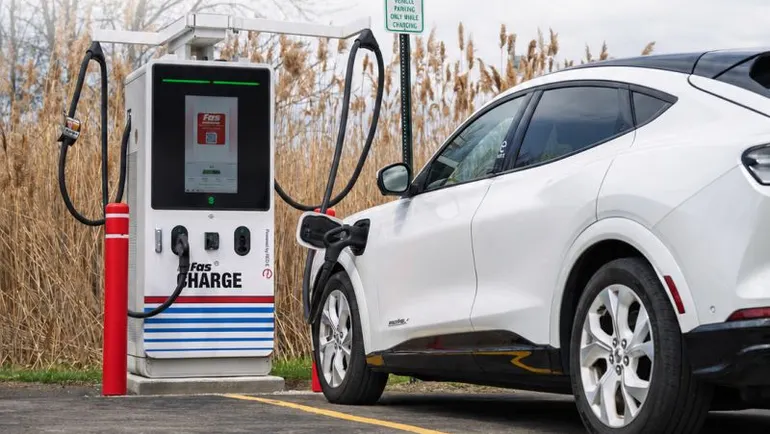
For some businesses, that is an acceptable compromise. EV fast-charging operators, for example, may be able to manage charger output during brief constrained periods rather than delay an entire site. Battery storage projects may also have flexibility in how and when they charge. Smaller data centers and advanced manufacturing facilities can be candidates as well, depending on their tolerance for managed load adjustments.
Who is using it now
PG&E told Utility Dive that it currently has five active Flex Connect customers and roughly 85 prospective participants. Most of those current and potential customers are in the EV charging business, but the pipeline also includes smaller data centers, advanced manufacturing sites, and battery energy storage facilities that want to participate in California’s wholesale market.
The typical size of those projects ranges from 2 megawatts to 5 megawatts, according to the utility, though some data center and manufacturing prospects are closer to 10 megawatts. That detail is significant because it shows the program is not limited to very small or highly experimental loads. It is being tested on the kind of mid-scale projects that are increasingly central to transportation electrification and industrial growth.
PG&E says the program emerged from customer feedback rather than from a direct commission mandate. That origin story is notable. Utilities often pilot new programs because regulators order them to explore a concept or because policy targets create an obligation to do so. In this case, the utility says customers themselves pushed for an option that would unlock earlier access to power even if that access came with operational conditions.
Why this matters beyond Northern California
The problem Flex Connect is trying to solve is not unique to PG&E’s territory. Across the power sector, utilities are seeing a surge in applications for new service while the physical buildout of additional capacity takes longer. The result is a widening mismatch between how quickly customers want to energize and how quickly grid infrastructure can be expanded.
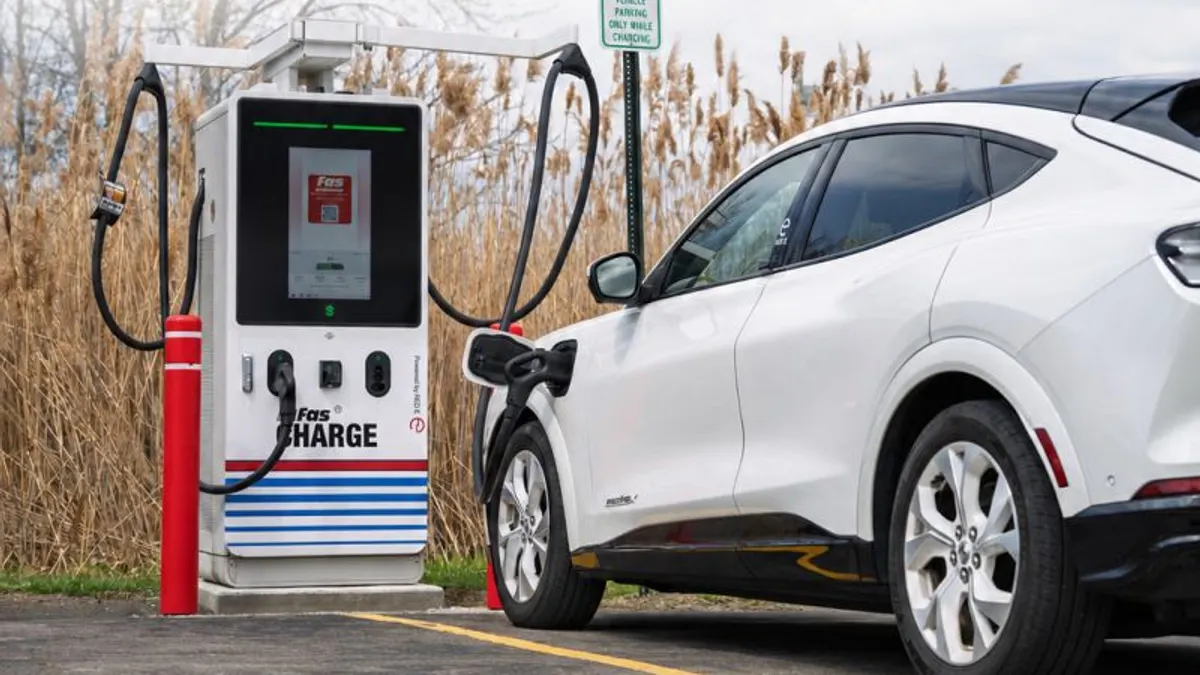
That gap is becoming more economically important. EV charging networks need power where drivers travel. Industrial operators want certainty before committing capital. Data center developers are hunting for sites with reliable service. Storage developers need interconnection timelines that match market opportunities. In each case, delays can slow deployment, increase costs, or push investment elsewhere.
Flexible interconnection is one response to that pressure. Instead of treating every new load as an all-or-nothing request for firm capacity, the utility can offer earlier service under clearly defined constraints. The concept depends on better visibility, tighter coordination, and customer willingness to actively manage demand rather than simply consume power whenever desired.
That model is easier to imagine today than it would have been a decade ago. More customers now operate digitally controlled equipment, energy management software, and storage assets that can respond to signals from the grid. That does not eliminate the challenges, but it makes coordinated load management more feasible at commercial scale.
The promise and the limits
PG&E’s initial numbers are encouraging, but they also point to the boundaries of the model. Access to needed capacity in 90% of hours is useful only if the remaining constrained periods are manageable for the customer’s business. Likewise, having operations affected less than 1% of the time sounds minor, but the real-world impact depends on when those events occur and how severe the limitation is.
That means flexible interconnection is not likely to replace firm service for every project. Some loads will require uninterrupted access and will still need conventional upgrades before they can operate as planned. Others may be able to use a flexible connection as a bridge until the local grid is reinforced.
The regulatory path will also matter. PG&E said it is working to formalize the program with commission oversight. If the pilot grows, regulators will need to evaluate how capacity limits are communicated, how customer obligations are enforced, what protections are needed, and whether similar structures should be expanded or standardized.
A signal of where grid operations are heading
The larger significance of Flex Connect may be cultural as much as technical. It reflects a power system moving away from static assumptions and toward more dynamic operating arrangements between utilities and customers. Instead of one fixed promise of service, the grid can offer tiers of access shaped by real-time conditions and digital control.
That is a consequential shift for an electricity system facing simultaneous electrification, industrial growth, and infrastructure bottlenecks. If managed carefully, it could help utilities connect more projects sooner and make better use of existing assets while long-term upgrades are built. If managed poorly, it could create confusion about service quality or shift too much operational risk onto customers.
For now, PG&E’s pilot suggests there is meaningful demand for this middle ground. In a period when waiting years for new power can stall entire business plans, a connection that is fast, mostly available, and occasionally constrained may be good enough to move projects forward.
- PG&E says active Flex Connect customers have accessed needed capacity during 90% of hours over the pilot’s first two years.
- The utility says operational loads have been affected less than 1% of the time during rare local grid constraints.
- Most current and prospective participants are EV charging projects, with additional interest from data centers, manufacturing, and battery storage.
This article is based on reporting by Utility Dive. Read the original article.
Originally published on utilitydive.com