K2 Targets Two Different Solar Segments at Once
K2 Systems has introduced two new ground-mounted photovoltaic mounting products, expanding its portfolio beyond rooftop and facade systems and further into utility-scale and smaller ground-based solar deployment. According to pv magazine, the company’s new Pi-Rack is aimed at large-scale projects, while the N-Rack Kits are designed for small- and medium-sized installations.
The launch is significant less for any single technical feature than for what it signals strategically. K2 is positioning itself as a more comprehensive supplier of mounting systems across different installation types, seeking relevance from distributed projects up to large solar plants.
A Broader Portfolio Strategy
K2 described the move as part of a larger strategic development. The company said that after adding facade solutions to its rooftop range last year, the new ground-mount systems complete its transition toward being a more holistic provider of photovoltaic mounting systems.
That framing matters in a solar market where balance-of-system choices affect installation speed, labor requirements, and lifecycle performance. Manufacturers that can cover more project categories may be better placed to serve developers, installers, and engineering teams looking for consistency across a broader set of jobs.
Rather than presenting a single universal rack, K2 is splitting the offering by use case. That decision reflects a mature view of the market. Utility-scale sites and smaller ground-mounted systems do not face identical constraints, and mounting products that serve both effectively often need different design priorities.
Pi-Rack for Utility-Scale Deployment
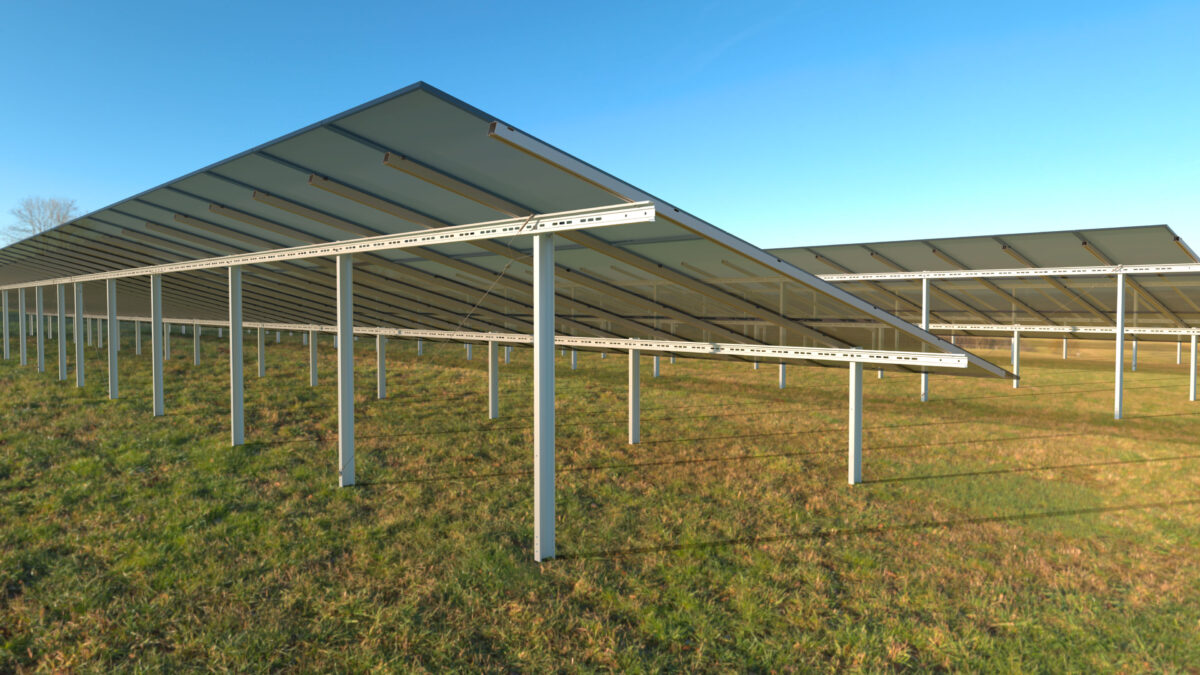
The Pi-Rack is the company’s new option for large ground-mounted solar projects. pv magazine reports that the system uses all-steel components and a zinc-magnesium-aluminum coating intended to significantly improve corrosion resistance. In large outdoor projects, material durability is not a side issue. It directly influences maintenance expectations and long-term asset performance.
The Pi-Rack also features a three-module landscape layout. Even from the limited details available, the design emphasis appears to be on modularity and streamlined deployment. K2 says the new systems are meant to simplify installation through modular layouts and simplified components.
That objective aligns with one of the most important realities in solar construction: reducing complexity can be as commercially meaningful as improving any individual part. When utility-scale schedules are tight and labor efficiency matters, mounting systems that reduce assembly friction can have outsized value.
Because the source text excerpt ends mid-description, this article does not extend beyond the provided technical details. But those details alone suggest K2 is competing on ease of installation and durability, two attributes with immediate operational consequences.
N-Rack Kits for Smaller Installations
Alongside Pi-Rack, K2 launched N-Rack Kits for small- and medium-scale systems. That positioning is important because the smaller ground-mount segment can involve a wider mix of installers, site conditions, and project economics than utility-scale work. Packaged kits can therefore be attractive if they reduce planning overhead and simplify procurement.
pv magazine describes both products as designed to streamline installation. For smaller projects, that can translate into faster deployment, fewer components to manage on site, and more predictable labor requirements. It may also make ground-mounted solar more approachable for projects that do not have the engineering scale of large developers.
The simultaneous release of a utility-scale platform and a kit-oriented smaller-system product indicates K2 is trying to avoid overconcentration in one slice of the market. It is expanding in a way that spans both large developers and smaller installers.
Why Mounting Systems Matter More Than They Look
Solar hardware discussions often focus on modules, storage, or inverters. Mounting systems receive less attention, but they shape deployment economics in fundamental ways. They determine how equipment is secured, how quickly crews can work, how projects accommodate terrain or corrosion exposure, and how predictable installation becomes.
That is why incremental changes in racking and mounting can matter across the supply chain. A system built around modular layouts and simplified components is not just a product update. It is an attempt to lower friction in project execution.
K2’s announcement arrives in that context. The company is not introducing a new power-generating technology. It is refining the infrastructure that allows photovoltaic projects to be built efficiently and at scale. In fast-growing solar markets, those supporting systems can influence timelines and costs just as meaningfully as more visible headline technologies.
A Competitive Move in Solar Balance of Systems
The launch also reflects how suppliers are broadening their offerings to capture more value in the balance-of-systems category. By moving across rooftop, facade, and now a fuller ground-mount portfolio, K2 is making a claim that it can serve as more than a niche component vendor.
For project developers and installers, that could make K2 more relevant as a repeat partner across differing project types. For competitors, it is a reminder that solar market growth increasingly rewards companies that can simplify deployment, not only those that can claim improvements in panel efficiency.
With Pi-Rack and N-Rack Kits, K2 is placing a bet on exactly that proposition: that easier installation, modular design, and broader portfolio coverage are powerful differentiators in a crowded solar market.
- K2 Systems launched the Pi-Rack for utility-scale solar and N-Rack Kits for smaller ground-mounted projects.
- The company says both are designed to streamline installation with simplified components and modular layouts.
- Pi-Rack uses all-steel components with a zinc-magnesium-aluminum coating for corrosion resistance.
- The release supports K2’s strategy to become a more comprehensive PV mounting provider.
This article is based on reporting by PV Magazine. Read the original article.
Originally published on pv-magazine.com