Reading the Numbers
New vehicle registration data provides one of the clearest real-time windows into how American consumers are navigating the automotive market. January 2026 figures reflect a market that is neither collapsing nor accelerating dramatically but recalibrating — sorting through competing forces of improved EV product offerings, reduced federal incentives, higher interest rates on auto loans, and shifting consumer sentiment about electrification timelines.
The overall new vehicle market has remained relatively stable, supported by pent-up demand and gradually improving inventory conditions after several years of supply chain disruptions. Within that stable headline, however, the composition of sales continues to shift, with battery electric vehicles, plug-in hybrids, and traditional internal combustion engine vehicles all jockeying for share in a market where buyer preferences are genuinely heterogeneous.
EV Adoption: Progress and Friction
Electric vehicles are no longer a niche product in the United States. Multiple manufacturers now offer competitive BEV options across major segments — from small crossovers to full-size pickup trucks — and charging infrastructure has improved materially over the past two years. The expansion of Tesla's Supercharger network to vehicles from other manufacturers, combined with new NACS-standard charging installations, has reduced one of the primary objections to EV purchase.
At the same time, several factors are creating friction. The federal EV tax credit has been subject to ongoing policy uncertainty that complicates purchase decisions. Higher interest rates have made the monthly payment math on EVs — which typically carry higher sticker prices than comparable ICE vehicles — more challenging for buyers who finance their purchases. Range anxiety remains a genuine concern for rural buyers and those who regularly make long-distance trips.
Automakers Adjusting Their Timelines
The January data sits against a backdrop of significant strategic recalibration by major automakers. General Motors has scaled back or delayed several planned EV models, reflecting both lower-than-projected demand for some nameplates and the high capital intensity of maintaining parallel ICE and BEV development programs. Ford has similarly adjusted its EV investment pace, choosing to prioritize profitability on its existing EV lineup over rapid expansion.
This recalibration does not signal a retreat from electrification — the long-term direction of the industry remains firmly toward electric drivetrains. But it reflects a more realistic assessment of the adoption curve's shape: steeper for early adopters and certain consumer segments, more gradual for the mass market.
What Buyers Are Actually Choosing
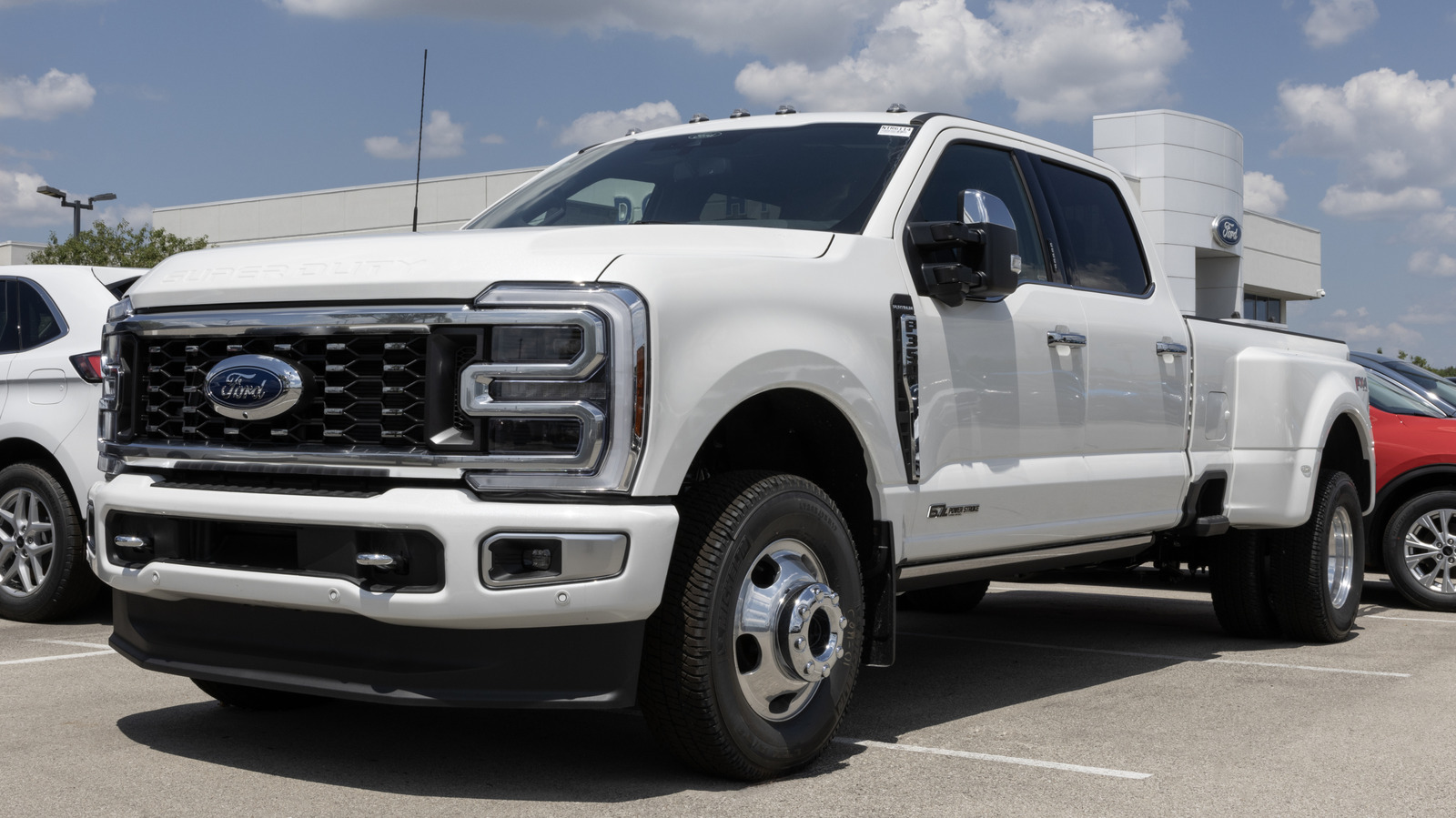
Plug-in hybrids have emerged as a significant beneficiary of the current dynamics. PHEVs offer the fuel economy benefits of electrification for the majority of driving, while eliminating range anxiety for longer trips through their conventional powertrains. Trucks and SUVs continue to dominate overall U.S. sales, and the electrification of these segments — with vehicles like the Ford F-150 Lightning and Chevrolet Silverado EV competing for buyers with strong gasoline truck loyalty — is one of the most consequential battlegrounds in the current market.
This article is based on reporting by Automotive News. Read the original article.
Originally published on autonews.com