Ein in der Garage gebauter Range Extender läuft jetzt aus eigener Kraft
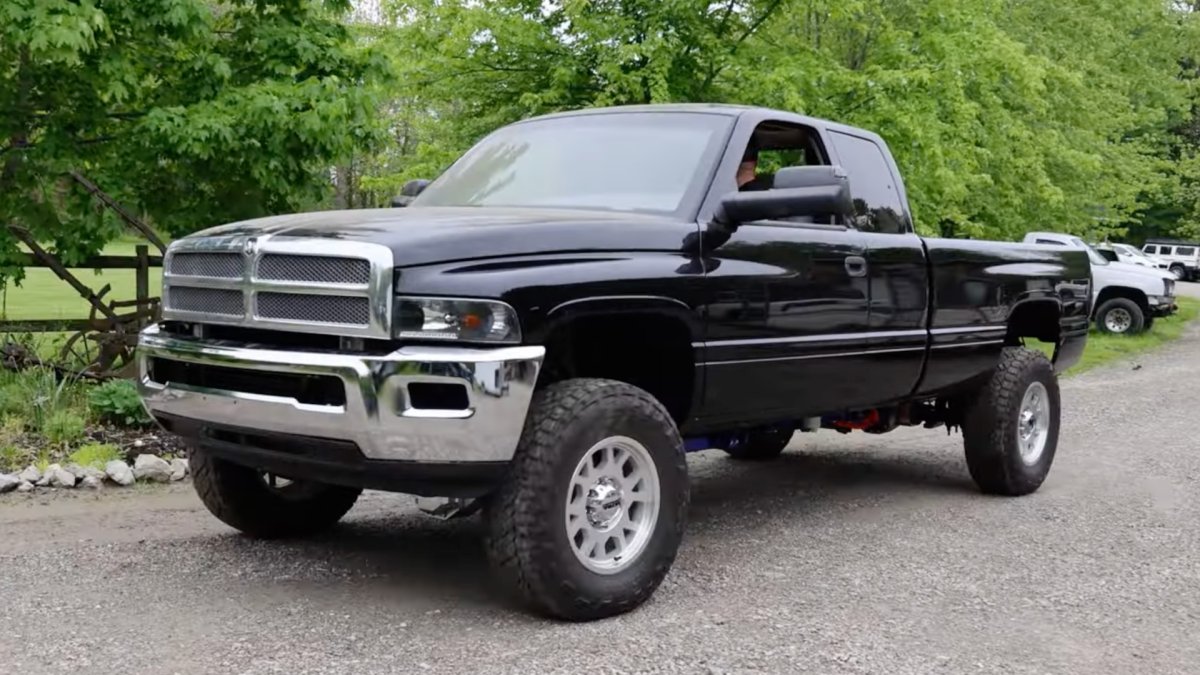
Edison Motors und Deboss Garage sagen, dass ihr diesel-elektrischer Ram-Pickup-Prototyp inzwischen zusammengebaut ist und läuft, ein Meilenstein, der eine kleine kanadische Initiative ungewöhnlich nah an ein kommerzielles Produkt in einem Segment bringt, das große Autohersteller nur schwer auf den Markt gebracht haben. Laut dem vorliegenden Bericht wurde der Truck bislang nur so weit gefahren, dass bestätigt werden konnte, dass seine Systeme korrekt funktionieren, doch die Tatsache, dass er sich nun mit elektrischer Energie bewegt, ist ein bedeutender Schritt für das Projekt.
Die Entwicklung sticht auch deshalb hervor, weil Stellantis’ eigener Ram-Pickup mit verlängerter Reichweite weiterhin verzögert ist. Die Quelle sagt, der Hersteller habe dieses Modell ursprünglich für eine Markteinführung 2025 vorgesehen und ein überarbeiteter Zeitplan mit Kundenbestellungen in der ersten Hälfte dieses Jahres erscheine nun ebenfalls unwahrscheinlich. Diese Lücke hat Raum für alternative Ansätze geschaffen, darunter Nachrüstsysteme für ältere Trucks statt völlig neuer Serienmodelle ab Werk.
Wie der Umbau ausgelegt ist
Der Prototyp begann als Dodge Ram von 1995 und ist Teil von Edison Motors’ Bestreben, seine Erfahrungen mit seriellen Hybrid-Lkw in Umrüstkits für Pickups zu überführen. Edison hatte sich zuvor auf diesel-elektrische Sattelzugmaschinen konzentriert. Das Pickup-Programm überträgt dieses Konzept auf eine leichtere Klasse und richtet sich an Besitzer, die ein fahrgefühl ähnlich einem Elektrofahrzeug wollen, ohne sich ausschließlich auf Ladeinfrastruktur zu verlassen.
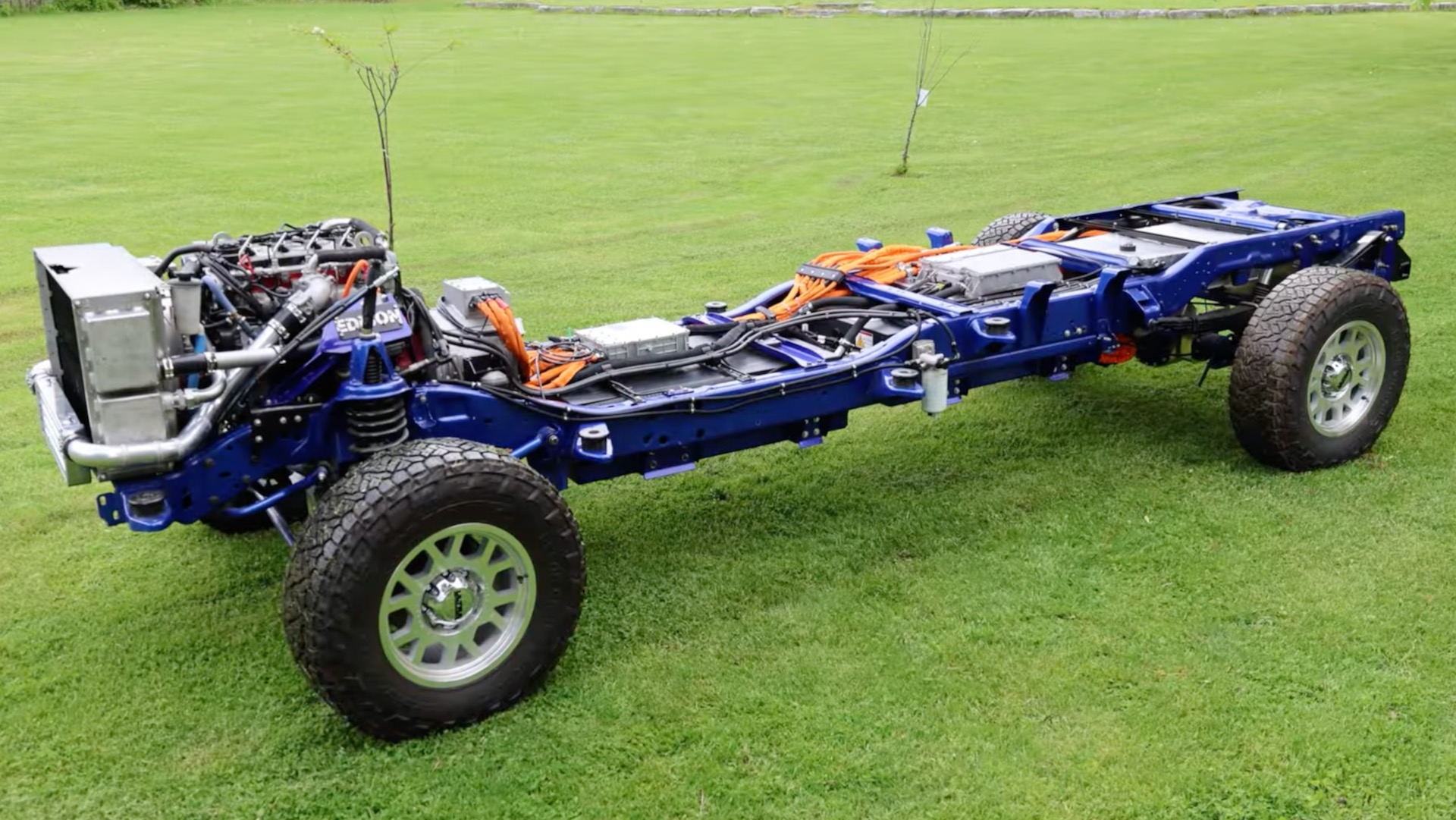
In der von der Quelle beschriebenen Konfiguration sitzt ein Cummins-Dieselmotor mit 2,8 Litern Hubraum unter der Haube. Anders als bei einem herkömmlichen Truck treibt dieser Motor die Räder jedoch nicht direkt an. Stattdessen betreibt er einen hinter dem Motor montierten Generator. Dieser Generator versorgt einen zwischen den Rahmenträgern montierten Batteriesatz mit Strom.
Der eigentliche Vortrieb des Trucks stammt von zwei e-axles mit integrierten Elektromotoren. Dadurch entfallen Kardanwellen und Verteilergetriebe, während gleichzeitig das unmittelbare Drehmoment erhalten bleibt, das mit elektrischem Antrieb verbunden ist. Das Ergebnis ist ein serieller Hybridaufbau: Der Dieselmotor verlängert die Reichweite und erzeugt Bordenergie, während sich der Truck an den Rädern eher wie ein EV verhält.
Warum das Packaging wichtig ist
Eine der praktischeren Leistungen beim Aufbau ist das Packaging. Die Quelle sagt, Edison und Deboss Garage hätten daran gearbeitet, die wichtigsten Antriebskomponenten aus der Ladefläche herauszuhalten und die Batterie-Management- und Kühlhardware in ein wiederverwendetes Gehäuse aus Edisons Sattelzugmaschinen unterzubringen. Dieses Gehäuse soll zwischen Rahmenträgern und hinterem Querträger Platz gefunden haben, ohne unter dem Truck herauszuragen.
Das klingt vielleicht nach einem Detail, ist aber für jeden Umbau wichtig, der für echte Arbeit gedacht ist. Ein Pickup-Umbau, der die Nutzbarkeit der Ladefläche opfert oder teure Hardware unter dem Fahrzeug offen liegen lässt, wird schnell schwerer zu verkaufen. Ein sauberes, funktionales Layout verbessert die Chancen, dass ein Umrüstkit für Flottenkunden, Handwerker und ländliche Besitzer attraktiv ist, die vor allem Praktikabilität brauchen.
Warum das über ein einzelnes Prototypenfahrzeug hinaus wichtig sein könnte
Die Grundidee besteht nicht nur darin, einen interessanten Custom Truck zu bauen. Edison arbeitet daran, marktfähige diesel-elektrische Umrüstkits für ältere Pickups, einschließlich Rams, auf den Markt zu bringen. Wenn sich das Konzept als langlebig und wartbar erweist, könnte es einen anderen Weg zu emissionsärmerem Transport bieten: bestehende Fahrzeuge aufrüsten, statt auf komplette Plattformwechsel zu warten.
Das hat mehrere potenzielle Vorteile. Ältere Trucks sind nach wie vor tief in Arbeitsflotten und im privaten Einsatz verankert, besonders in Regionen, in denen Zuglasten, lange Strecken oder begrenzter Zugang zu Lademöglichkeiten eine vollständige Umstellung auf batterieelektrische Fahrzeuge erschweren. Ein serieller Hybridumbau könnte den Kraftstoffverbrauch senken und zugleich Langstreckenfähigkeit erhalten sowie einige der mit ladeintensiven Einsatzprofilen verbundenen Sorgen vermeiden.
Hinzu kommt ein Argument für Kosten und Zeit. Wenn große Hersteller ihre Zeitpläne verfehlen, können Nischenanbieter mit kleineren Stückzahlen für spezialisierte Käufer schneller vorankommen. Sie brauchen weder landesweite Händlerbereitschaft noch eine großindustrielle Fabrikproduktion, um Nachfrage zu belegen. Der Nachteil ist natürlich, dass Umrüstungen eigene Hürden bei technischer Validierung, Support, regulatorischer Zulassung und Preis haben.
Ein Zeichen des Drucks auf etablierte Lkw-Hersteller
Das Auftauchen des Prototyps erinnert auch daran, dass Innovationsdruck nicht nur von anderen globalen Herstellern kommt. Er kann auch von Start-ups, Umrüstwerkstätten und technisch versierten kleinen Teams ausgehen, die außerhalb des üblichen Produktzyklus arbeiten wollen. Der vorliegende Bericht stellt die Initiative als Fall dar, in dem ein Startup und Garagen-Partner einem der größten Autohersteller der Welt mit einem funktionierenden Range-Extended Ram zuvorkommen könnten.
Das bedeutet nicht, dass Edison Stellantis bei großvolumigen Kundenauslieferungen überholen wird. Es zeigt aber, dass das technische Konzept nicht mehr theoretisch ist. Ein fahrender Prototyp verleiht dem Projekt Glaubwürdigkeit und verschiebt die Frage von „kann das funktionieren?“ zu „kann das industrialisiert werden?"
Das größere Signal für den Verkehr
Serielle Hybrid-Pickups bleiben eine Nischenidee, werden aber zunehmend relevant. Batterieelektrische Trucks versprechen niedrige Betriebsemissionen und starkes Drehmoment, doch viele Käufer wollen weiterhin Tankflexibilität und Langstrecken-Zuverlässigkeit. Eine diesel-elektrische Architektur bietet einen Kompromiss, insbesondere für Fahrzeuge, die ihr Leben mit Transport, Ziehen oder Einsätzen fernab zuverlässiger Ladepunkte verbringen.
Der vorliegende Bericht behauptet nicht, dass Edisons Prototyp in großem Maßstab für den Straßenverkehr bereit ist. Er zeigt jedoch, dass es einen funktionierenden Truck gibt und dass der Umbaupfad voranschreitet, während ein hochkarätiges OEM-Programm weiter in der Schwebe bleibt. In einem Markt, in dem Verzögerungen das Käuferverhalten ebenso stark prägen können wie Produkteinführungen, macht allein das das Projekt beachtenswert.
Dieser Artikel basiert auf einem Bericht von The Drive. Zum Originalartikel.
Originally published on thedrive.com