Der zweite Akt des Leaf
Der Nissan Leaf nimmt einen einzigartigen Platz in der Geschichte der Elektrofahrzeuge ein. Nach seiner Einführung im Jahr 2010 war er das erste Massenmarkt-Elektrofahrzeug eines großen Automobilherstellers und war eine Dekade lang das meistverkaufte Elektroauto der Welt. Die breitere Elektrofahrzeug-Revolution, die er auslöste, ließ den Leaf jedoch schließlich hinter sich — neuere Konkurrenten boten größere Reichweite, schnelleres Laden und modernere Technologie zu vergleichbaren oder niedrigeren Preisen.
Nissan versucht nun einen zweiten Akt für die Marke, und das Unternehmen ist transparent in Bezug auf die Strategie: das erschwingliche Elektrofahrzeug-Segment anvisieren — den Massenmarkt unter 30.000 $, der trotz jahrelanger Zusagen der Industrie über zugängliche Elektrofahrzeuge unterbesiedelt bleibt.
Das hat Nissan bestätigt
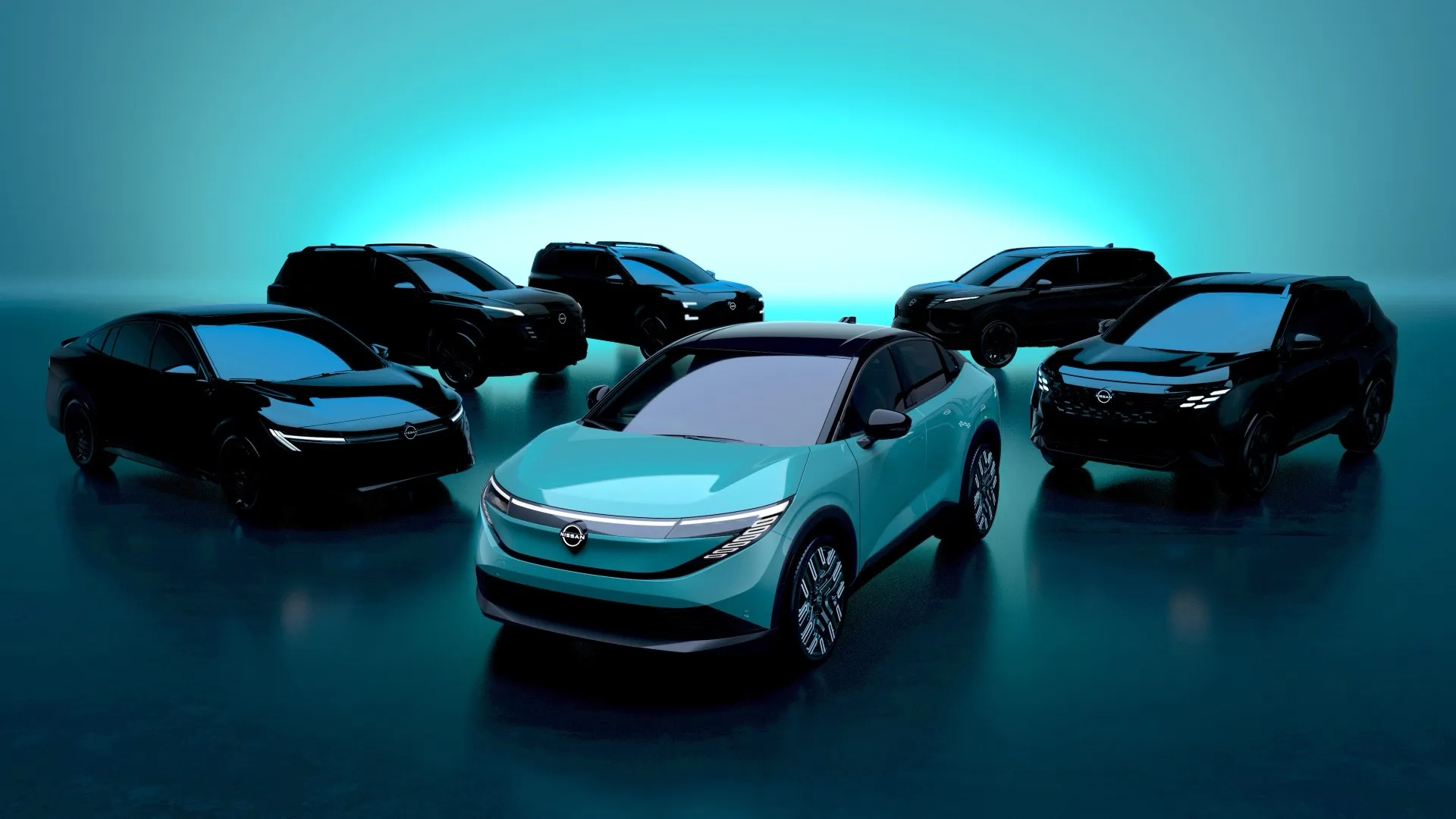
Nissan hat bestätigt, dass die nächste Generation des Leaf zunächst in den USA und Kanada auf den Markt kommt. Das Fahrzeug wird später im Jahr 2026 vollständig enthüllt. Seine Rolle innerhalb des breiteren Elektrifizierungs-Portfolios von Nissan — das auch Rogue Hybrid und Rogue PHEV umfasst, sowie in den USA hergestellte Nissan- und Infiniti-Elektrofahrzeuge ab 2028 — ist spezifisch als der erschwingliche, zugängliche Einstiegspunkt, der auf Wert statt auf Reichweite oder Premium-Positionierung konkurriert.
Der Wettbewerb: 2026 Chevrolet Bolt EV
Die Wiederbelebung des Chevrolet Bolt EV ist der direkteste Referenzpunkt für den Wettbewerb. General Motors stellte den Bolt der ersten Generation 2023 ein, nachdem es vollständig auf seine Ultium-Plattform umgestellt hatte, änderte dann aber den Kurs, als Fahrzeuge auf Ultium-Basis mit Produktions- und Preisherausforderungen konfrontiert wurden. Der belebte 2026er Bolt kehrt mit aktualisierter Technologie, einem erwarteten Einstiegspreis unter 30.000 $ und der Markenbekanntheit zurück, die das Original zu einem der meistverkauften Elektrofahrzeuge auf dem US-Markt machte.
Für Nissan ist die Wiederbelebung des Bolt sowohl eine Herausforderung als auch eine Bestätigung. Eine Herausforderung, weil eine gut etablierte amerikanische Marke mit tiefem Händlernetzwerk direkt im gleichen Segment konkurriert. Eine Bestätigung, weil die Entscheidung von GM, den Bolt zurückzubringen, die kommerzielle Rentabilität des erschwinglichen Elektrofahrzeug-Marktes bestätigt, auf den Nissan abzielt.
Reichweiten- und Ladeerwartungen
Obwohl Nissan keine Spezifikationen veröffentlicht hat, deuten Industriequellen und behördliche Unterlagen darauf hin, dass das Fahrzeug eine deutlich verbesserte Reichweite im Vergleich zu der aktuellen Reichweite des Leaf von 149-212 Meilen bieten wird. Das Ziel scheint eine Reichweite von 250 Meilen oder mehr nach EPA-Schätzung zu sein — ein Schwellenwert, der die Reichweitenangst für die meisten alltäglichen Anwendungsfälle deutlich reduziert.
Vielleicht noch wichtiger ist, dass für den neuen Leaf erwartet wird, dass er CCS-Schnellladen als Standard übernimmt, um einen bedeutenden Wettbewerbsnachteil des auslaufenden Modells zu beheben. Der aktuelle Leaf nutzt CHAdeMO, einen Gleichstrom-Schnellladestandard, der von der breiteren Elektrofahrzeug-Industrie faktisch aufgegeben wurde, was Leaf-Besitzer mit einer sinkenden Anzahl kompatibler öffentlicher Schnellladestationen hinterlässt.
Nissan's breitere Erholung
Der neue Leaf kommt zu einer Zeit, in der Nissan sich durch eine der schwierigsten Phasen seiner jüngsten Geschichte navigiert, nachdem es sich aus Allianzturbulenz, Übergängen in der Geschäftsführung und finanziellen Druck, der das Produktentwicklungsbudget einschränkt, befreit hat. Die Entscheidung, den Start des Leaf in Nordamerika zu priorisieren, spiegelt eine strategische Wette wider, dass ein erschwingliches Elektrofahrzeug mit gutem Preis-Leistungs-Verhältnis und guter Ausführung Nissans Marktrelevanz in einem Segment wiederherstellen kann, in dem das Unternehmen authentisches Erbe besitzt.
Dieser Artikel basiert auf Berichterstattung von Green Car Reports. Lese den Originalartikel.
Originally published on greencarreports.com