Eine neue Generation von Starship
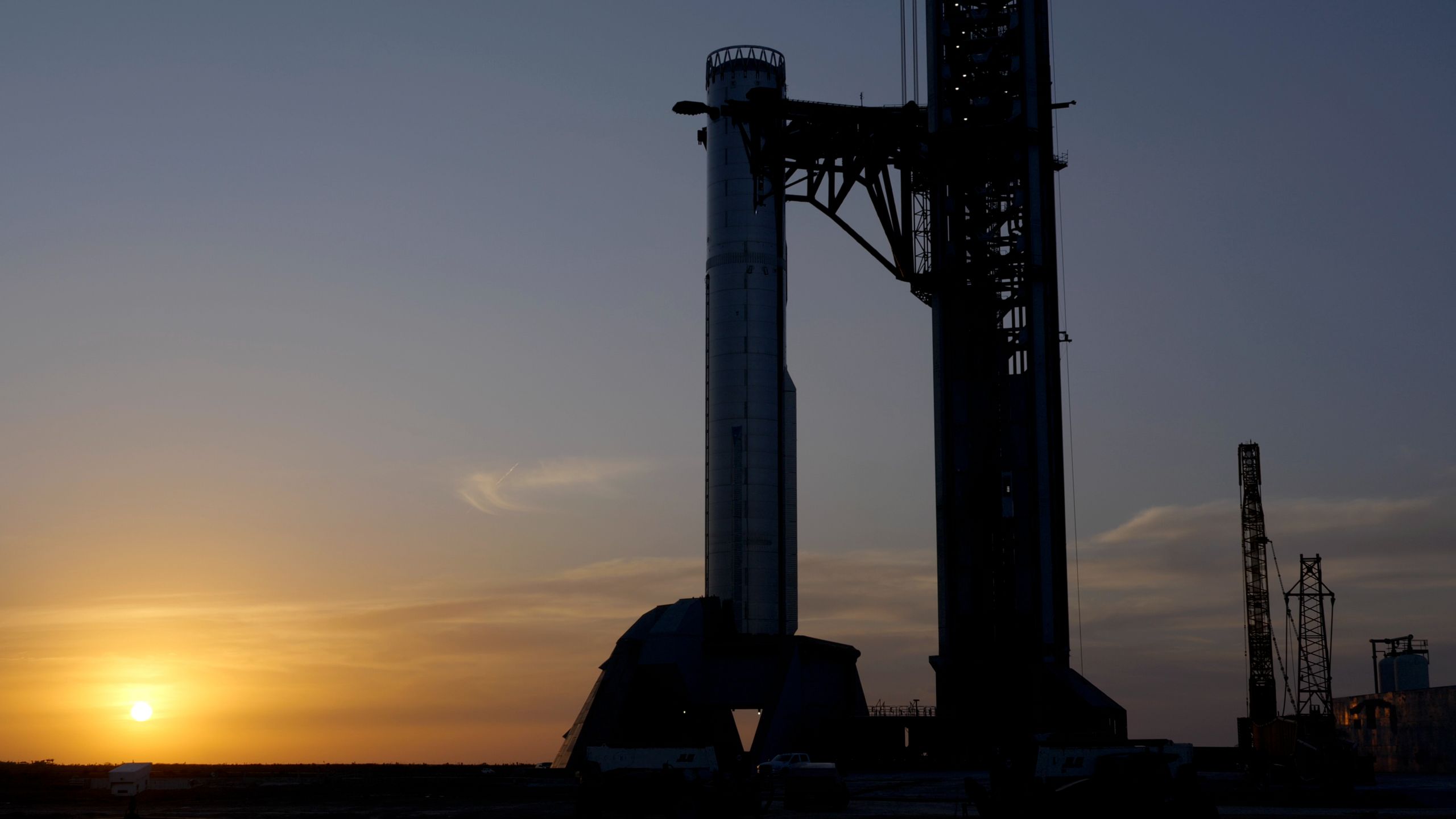
SpaceX hat den ersten statischen Brandtest einer Starship-Erste-Stufe der nächsten Generation, bezeichnet als V3-Variante, in seiner Starbase-Anlage in Südtexas durchgeführt. Der Test, der am Montag, 16. März, durchgeführt wurde, stellt einen wichtigen Meilenstein in der Entwicklung dar, was das Unternehmen als eine leistungsstärkere und leistungsfähigere Iteration des größten Raketensystems der Welt beschreibt. Ein Startdatum im April wird für den Jungfernflug des V3 Starship angestrebt.
Der statische Brandtest zündet die Triebwerke des Boosters, während das Fahrzeug auf der Startplattform verankert bleibt, sodass Ingenieure Schubkräfte, Triebwerksstartsequenzen, Triebwerksgesundheit über alle Raptor-Triebwerke hinweg und das Verhalten von Bodensystemen überprüfen können, bevor sie sich zu einem vollständigen Flug verpflichten. Dies ist ein standardmäßiger Überprüfungsschritt vor dem Start, aber für eine neue Fahrzeugvariante erzeugt er auch die ersten realen Leistungsdaten, gegen die Designvorhersagen validiert werden können.
Was V3 verbessert
SpaceX hat Starship seit seinen frühen Testflügen kontinuierlich weiterentwickelt. Jede Hauptvariante hat Verbesserungen in Triebwerksleistung, Treibstoffladesystemen, Hitzeschutzdesign und struktureller Effizienz eingebracht. Die V3-Bezeichnung gibt eine substanziellere Runde von Verbesserungen an, statt inkrementeller Verfeinerungen.
Basierend auf dem, was SpaceX öffentlich mitgeteilt hat, wird erwartet, dass der V3 Super Heavy Booster einen höheren Gesamtschub als die V2-Konfiguration erzeugt, angetrieben durch aktualisierte Raptor-Triebwerksvarianten, die Treibstoff bei höheren Drücken in der Brennkammer effizienter verbrennen. SpaceX hat die verbesserten Raptors als erheblich mehr Schub pro Triebwerk erzeugt beschrieben, während die Zuverlässigkeit beibehalten oder verbessert wird — eine Kombination, die für einen Booster wichtig ist, der hunderte Tonnen von der Startrampe abheben muss.
Der Super Heavy Booster beherbergt 33 Raptor-Triebwerke an seiner Basis, und die aggregierte Schubbverbessering über alle Triebwerke hinweg führt zu einer signifikanten Steigerung der Nutzlastlieferungskapazität in die niedrige Erdumlaufbahn und darüber hinaus. SpaceX hat eine Starship-Nutzlastkapazität von 100 oder mehr metrischen Tonnen in die niedrige Erdumlaufbahn in seiner wiederverwendbaren Konfiguration angestrebt — ein Wert, der, wenn erreicht, jedes andere je gebaute oder in Entwicklung befindliche Startfahrzeug übertreffen würde.
Der Weg zu April
Ein erfolgreicher statischer Brandtest beseitigt eines der endgültigen Hindernisse vor einem Startversuch. SpaceXs verbleibende Schritte umfassen typischerweise Inspektion und Datenanalyse nach dem statischen Brand, alle erforderlichen Reparaturen oder Anpassungen, endgültige Treibstoffladetests und Genehmigung der Federal Aviation Administration, die für jeden Starship-Startversuch eine Startlizenz ausstellen muss.
Das Engagement der FAA war ein wiederkehrender Faktor in Starships Zeitplan. Die behördliche Überprüfung von Startlizenzen umfasst Umweltbewertung, Reichweitensicherheitsanalyse und Koordination mit anderen Luftraumnutzern. Frühere Starship-Starts waren mit FAA-Zeitdrücken konfrontiert, obwohl die Behörde nach Abschluss ihrer Überprüfungsprozesse im Allgemeinen Freigaben erteilt hat.
SpaceX hat sein Startsystem mit Starship stetig verbessert, was von seltenen frühen Testflügen zu einem regelmäßigeren Startrhythmus übergeht, während das Programm gereift ist. Das Unternehmen hat ehrgeizige Pläne, die erfordern, dass Starship schließlich viele Male pro Jahr fliegt — ein Tempo, das erfordern wird, dass das Fahrzeug vollständig wiederverwendbar und schnell überholbar ist.
Fortschritt beim Einfangen und Wiederverwenden
Eine der dramatischsten Entwicklungen in den letzten Starship-Flügen war SpaceXs Demonstration des Einfangens des Super Heavy Boosters mit den mechanischen Armen des Startturms anstatt ihn auf Beinen zu landen. Der Einfangmechanismus verringert die Überholungszeit erheblich im Vergleich zu einer traditionellen angetriebenen Landung auf einer Landeplattform, da der Booster die Kräfte der Landung auf seiner eigenen Struktur nicht absorbieren muss.
SpaceX hat Booster-Einfänge in letzten Flügen erfolgreich ausgeführt, und das Unternehmen hat angegeben, dass der Einfang-und-Wiederverwendungs-Ansatz zentral für die Erreichung der schnellen Wiederverwendbarkeit ist, die Starship wirtschaftlich rentabel macht. Wenn die V3-Konfiguration innerhalb von Tagen statt Wochen eingefangen und wiederstarts werden kann, wird die Kosten pro Start dramatisch fallen.

Auswirkungen auf NASA und darüber hinaus
Starship ist zentral für NASAs Artemis-Programm, das SpaceX beauftragt hat, Astronauten unter Verwendung eines modifizierten Starship als Human Landing System auf die Mondoberfläche zu liefern. Die V3-Verbesserungen, die die Nutzlastkapazität und die Leistungsgrenzen verbessern, sind direkt auf das Mondmissionsprofil relevant, das erfordert, dass Starship im Orbit mit Treibstoff wieder befüllt wird, das von Tanker-Starships geliefert wird, bevor die Reise zum Mond angetreten wird.
Elon Musk hat auch langfristige Pläne zur Verwendung von Starship für Mars-Besiedlungsmissionen geäußert. Jeder erfolgreiche Testflug und jede inkrementelle Verbesserung bringt diese Vision näher, auch wenn sich die unmittelbaren Ziele auf kommerziellen Satellitentransport, NASA-Missionen und den Nachweis der grundlegenden Wiederverwendbarkeit konzentrieren, die die Wirtschaft möglich macht.
Dieser Artikel basiert auf Berichten von Space.com. Lesen Sie den Originalartikel.
Originally published on space.com