Die Missionsplanung für Asteroiden könnte ein effizienteres Werkzeug erhalten
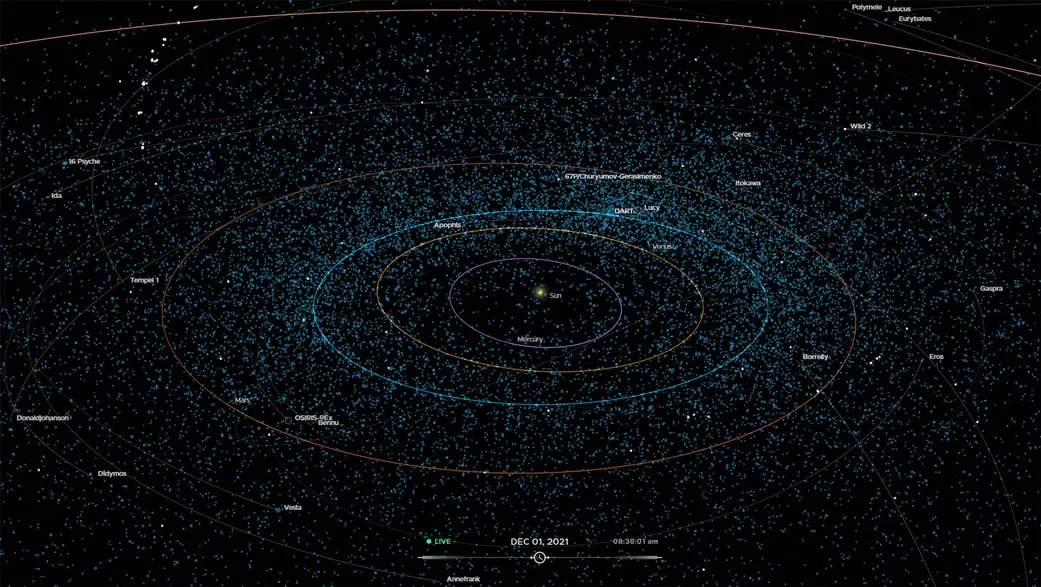
Eine neue, von Universe Today hervorgehobene Studie schlägt eine rechnerisch weniger aufwendige Methode vor, um Trajektorien zu erdnahen Asteroiden zu planen, und identifiziert zugleich energieärmere Routen für Raumfahrzeuge. Die Arbeit, geleitet vom Astrodynamiker Alessandro Beolchi von der Khalifa University of Science and Technology und Mitautoren, zielt auf eines der schwierigeren Probleme des Missionsdesigns: Wie erreicht man kleine, sich bewegende Ziele im All, ohne unnötig Treibstoff oder Rechenzeit zu verbrauchen?
Erdnahe Objekte stehen seit langem als wissenschaftliche Ziele und potenzielle Ressourcen im Fokus, doch sie effizient zu erreichen ist schwierig. Jede Mission muss Treibstoffverbrauch, Timing, Gravitation und Orbitgeometrie ausbalancieren, und traditionelle Ansätze können enorme Rechenleistung erfordern, während sie dennoch eher schnellere als energieeffizientere Wege bevorzugen.
Der alte Standard war für eine andere Ära gebaut
Wie Universe Today erklärt, setzten NASA-Ingenieure historisch auf die Methode der gepatchten Kegelschnitte, die die Trajektorienplanung durch das Zweikörperproblem vereinfacht. In diesem Setup konzentrieren sich die Berechnungen vor allem auf die Sonne und das Raumfahrzeug; der gravitative Einfluss anderer Himmelskörper wird ignoriert. Außerdem geht der Ansatz davon aus, dass Geschwindigkeitsänderungen in kurzen, kräftigen Impulsen chemischer Raketen erfolgen.
Dieses Rahmenwerk war über Jahrzehnte praktisch, vor allem als schnelle Transfers und chemisch angetriebene Missionen die interplanetare Planung dominierten. Doch in einer Ära, in der Effizienz wichtiger ist, sich Antriebsoptionen verändern und Missionsplaner gravitative Effekte nicht unbedingt ignorieren wollen, die nützlich statt störend sein könnten, ist es weniger ideal.

Ein kombiniertes Modell verändert den Suchraum
Die Alternative des Artikels kombiniert zwei physikalische Modelle. In Erdnähe wird das zirkulare eingeschränkte Dreikörperproblem verwendet, das die gravitative Wechselwirkung zwischen Erde und Sonne berücksichtigt. Das ist wichtig, weil dadurch Lagrange-Punkte ins Bild kommen, also Regionen relativer orbitaler Stabilität, in denen ein Raumfahrzeug mit begrenztem Treibstoffeinsatz warten oder manövrieren kann.
Jede dieser Regionen besitzt außerdem das, was der Bericht als invarianten Mannigfaltigkeit beschreibt, im Wesentlichen einen Pfad, dem ein Raumfahrzeug folgen kann, um mit sehr geringem Treibstoffverbrauch von der Erde wegzudriften. Sobald sich das Raumfahrzeug weit genug von der Erde entfernt hat, schaltet das Modell wieder auf das traditionellere Zweikörperproblem um, das sich auf Sonne und Raumfahrzeug konzentriert.
Das ist die zentrale Innovation des Artikels: Statt für die gesamte Reise ein einziges vereinfachtes Rahmenwerk anzuwenden, wechselt die Methode je nach Standort des Raumfahrzeugs und den jeweils wichtigsten Gravitationswirkungen das Modell.
Warum das für die Exploration wichtig sein könnte
Der unmittelbare Vorteil ist rechnerischer Natur. Universe Today sagt, dass die neue Methode deutlich weniger aufwendig ist als bestehende Ansätze zur Suche nach Rendezvous-Trajektorien zu Asteroiden. Der zweite Vorteil ist operativ: Die Methode kann auch Routen identifizieren, die weniger Energie erfordern.
Diese Kombination ist für Missionen zu erdnahen Asteroiden wichtig, weil die Missionsökonomie unerbittlich ist. Eine Route, die den Treibstoffverbrauch senkt, kann die Nutzlastreserven vergrößern, Missionsoptionen erweitern oder bestimmte Ziele praktikabler machen. Eine Route, deren Entdeckung zudem weniger Rechenaufwand kostet, senkt schon in einer frühen Planungsphase die Hürden.

Asteroiden bleiben attraktive, aber schwierige Ziele
Der Kontext ist hier wichtig. Erdnahe Asteroiden gelten oft als vielversprechende wissenschaftliche und wirtschaftliche Ziele, weil sie zahlreich sind und in manchen Fällen im Vergleich zu tieferen Weltraumzielen relativ gut erreichbar. Doch „erreichbar“ ist in diesem Sinn weiterhin stark bedingt. Missionsplaner müssen sich mit sich bewegenden Objekten und wechselnden Geometrien unter dem Einfluss mehrerer Gravitationskörper auseinandersetzen.
Deshalb können Methoden, die natürliche Orbitstrukturen ausnutzen, so wertvoll sein. Wenn ein Raumfahrzeug die Erde-Sonne-Dynamik vor dem Übergang in eine heliozentrische Bahn effektiver nutzen kann, erreicht es womöglich Ziele, die unter gröberen Planungsmodellen weniger attraktiv erscheinen würden.
Effizienz wird zu einem Gestaltungsprinzip
Der Artikel spiegelt auch einen größeren Wandel in der Raumfahrt wider. Traditioneller chemischer Antrieb und brachiale Transferplanung sind nicht mehr die einzigen Annahmen, die das Missionsdesign bestimmen. Mit wachsender Bedeutung der Effizienz sind Planer eher bereit, Modelle zu verwenden, die die tatsächliche Struktur des Sonnensystems besser abbilden, besonders wenn diese Modelle energiearme Routen eröffnen.
Die Quelle behauptet nicht, dass die neue Studie das operative Missionsdesign bereits verändert hat, und sie liefert auch keine Liste spezifischer Asteroidenmissionen, die die Technik übernehmen werden. Sie zeigt aber eine sinnvolle Forschungsrichtung auf: nähere lokale Dynamiken um die Erde herum erst reichhaltiger zu modellieren und später zu vereinfachen, statt von Anfang an alles zu vereinfachen.

Eine praktikablere Karte für den Zugang zu Asteroiden
Für die Asteroidenforschung, die planetare Verteidigung und künftige ressourcenorientierte Missionen ist besseres Trajektoriendesign keine kleine technische Fußnote. Es bestimmt, welche Missionen machbar sind, wie teuer sie sind und welche Raumfahrzeugarchitekturen sinnvoll erscheinen.
Wenn die Methode von Beolchi und Kollegen wie beschrieben funktioniert, bietet sie etwas, das Missionsplaner immer wollen: eine billigere Möglichkeit, nach Wegen zu suchen, die auch selbst günstiger zu fliegen sind. In einem Feld, in dem jedes Kilogramm und jede Berechnung zählt, ist das eine bedeutende Entwicklung.
Dieser Artikel basiert auf einer Berichterstattung von Universe Today. Zum Originalartikel.
Originally published on universetoday.com