A Mission to Clean Up Low Earth Orbit
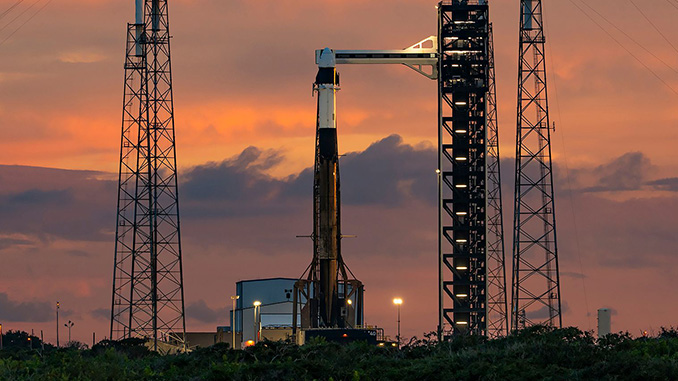
Astroscale, the Japanese company pioneering commercial satellite servicing and debris removal, has selected Isar Aerospace—a German launch startup building the Spectrum rocket—to provide launch services for its ELSA-M mission. ELSA-M, which stands for End-of-Life Services by Astroscale-Multi, is designed to demonstrate the ability of a single servicing spacecraft to rendezvous with, capture, and deorbit multiple client satellites in a single mission—a capability that would significantly improve the efficiency and economics of debris removal operations.
The announcement represents a meaningful commercial win for Isar Aerospace, which is developing its Spectrum launch vehicle as one of Europe's new generation of small-to-medium launch rockets designed to provide flexible, dedicated launch services to the growing commercial satellite market. Securing a high-profile customer like Astroscale validates the rocket's development progress and commercial viability ahead of its initial launches.
Why Space Debris Removal Matters
Low Earth orbit is increasingly congested with operational satellites, defunct spacecraft, rocket bodies, and fragments from past collisions and explosions. The European Space Agency estimates there are approximately 36,500 objects larger than 10 centimeters currently tracked in orbit, along with hundreds of thousands of smaller fragments too small to track reliably but large enough to damage or destroy operational satellites upon impact.
The risk of collision cascades—the Kessler syndrome scenario in which collisions generate more debris, which causes more collisions—has grown as orbital congestion has increased. Several large satellite constellation operators have announced plans to place tens of thousands of satellites into low Earth orbit over the coming years, adding substantially to the population of objects that must coexist safely.
ELSA-M's Multi-Client Concept
The ELSA-M spacecraft represents an evolution of Astroscale's ELSA-d demonstration mission, which successfully demonstrated magnetic capture technology for satellite deorbiting in 2021 and 2022. The commercial ELSA-M service is designed for the growing market of constellation operators who need an efficient way to deorbit satellites at the end of their operational lives to comply with evolving international guidelines that require debris clearance within five years of mission end.
The multi-client design is commercially important: if a single servicing spacecraft can sequentially capture and deorbit multiple satellites during a single mission, the cost per satellite serviced falls dramatically compared to a dedicated deorbit mission for each spacecraft. This economic advantage is essential for making debris removal commercially viable at the scale needed to meaningfully address orbital congestion.
Isar Aerospace's Spectrum Rocket
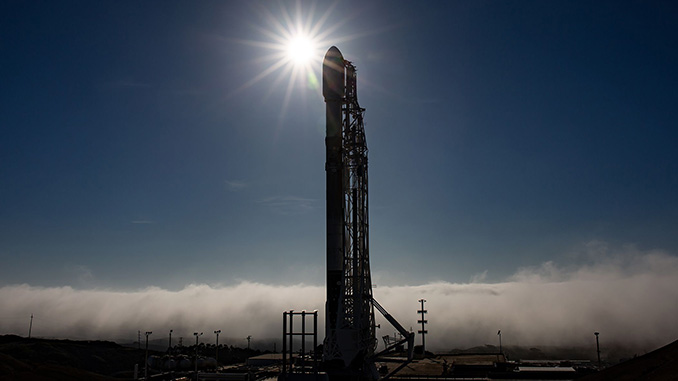
Isar Aerospace is developing the Spectrum rocket, a two-stage liquid-propellant vehicle designed to carry up to 1,000 kilograms to low Earth orbit. The rocket uses a novel engine design burning liquid oxygen and propane—a hydrocarbon fuel that offers better performance than kerosene while being easier to handle than liquid hydrogen.
The company has been progressing through ground testing milestones and has positioned Spectrum as a European-sovereign alternative to American small launch vehicles. Europe's dependence on non-European launch providers for commercial satellite deployment has been a policy concern since the retirement of the Ariane 5 and the delays affecting Ariane 6, creating a market opportunity that Isar and competitors like Rocket Factory Augsburg are trying to fill.

The Commercial Debris Removal Market
The market for active debris removal services is nascent but growing in policy salience and commercial interest. Japan's government has been particularly active in supporting debris removal technology development, including through Astroscale. The European Space Agency has contracted for a commercial active debris removal mission targeting a large defunct ESA rocket body.
As international guidelines and potentially national regulations increasingly require satellite operators to deorbit their spacecraft in defined timeframes, demand for commercial servicing will grow. Astroscale is positioning itself as the provider of choice for constellation operators who need a reliable, scalable deorbit service that can be contracted in advance of need and executed as satellites reach end of life.
Timeline and Next Steps
Specific launch dates for the ELSA-M mission have not been disclosed, as both the spacecraft development and the Spectrum rocket's development schedule will determine the window. Astroscale is expected to provide more details on the mission's customer base—the constellation operators who will be paying for their satellites' deorbiting service—as the mission moves closer to launch readiness.
The combination of Astroscale's established satellite servicing technology and Isar's developing launch capability represents a partnership of two companies at the frontier of the new space economy—both trying to build businesses around capabilities that will be essential infrastructure for orbital sustainability.
This article is based on reporting by SpaceNews. Read the original article.
Originally published on spacenews.com