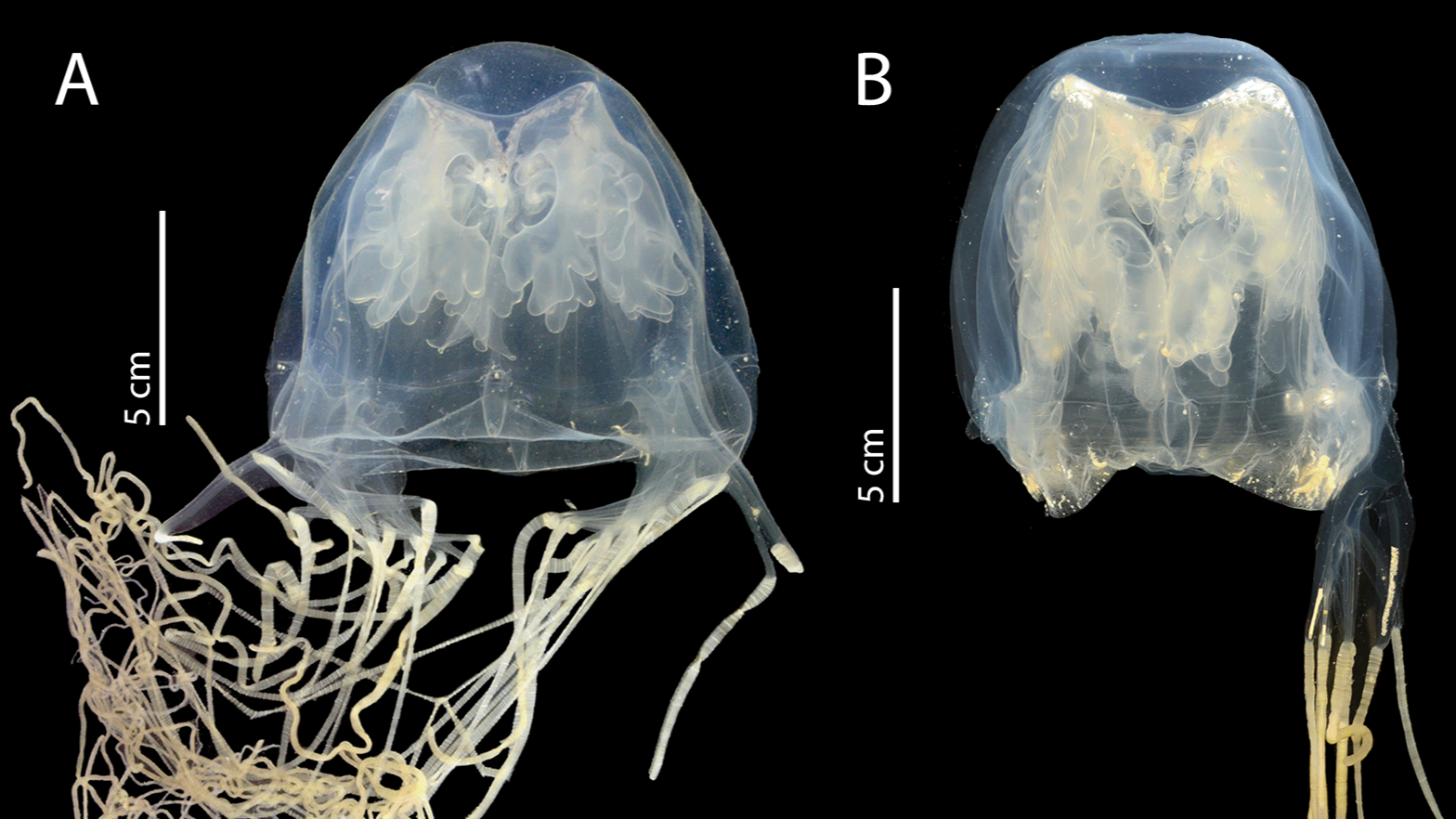
Scientists have described a new species of box jellyfish from waters off Singapore, adding a dangerous new member to one of the ocean’s most venomous groups. The species, Chironex blakangmati, was identified from specimens collected in 2020 and 2021 and formally distinguished through a combination of morphology and DNA analysis.
A mistaken identity corrected
For years, researchers had mistaken these jellyfish for Chironex yamaguchii, a related species. The new study, published May 15 in the Raffles Bulletin of Zoology, concluded that the Singapore specimens are genetically and morphologically distinct. That finding does more than update a label. It changes how scientists map biodiversity, species range, and risk in coastal waters.
The new species was named after Pulau Blakang Mati, the island’s earlier Malay name, rather than Sentosa, the name adopted in 1972. The older name translates to "Island of Death Behind," an unusually fitting reference for a highly venomous box jellyfish. The naming choice underlines both the species’ location and its hazard.

Why Chironex matters
Chironex box jellyfish are not ordinary drifting invertebrates. They are among the most dangerous jellyfish known, capable of delivering stings strong enough to kill humans through specialized cells called nematocysts on their tentacles. They are also unusually capable hunters. Unlike many jellyfish that largely move with currents, Chironex species can actively identify and swim toward prey using strong musculature and complex eyes.
That combination of potent venom and active movement helps explain why correct identification matters. Coastal hazard assessments depend on knowing which species are present, where they occur, and how they differ from one another. Misidentifying one species as another can blur those assessments and leave researchers with a weaker understanding of local marine risk.
What the study changes
The Singapore discovery expands understanding of box jellyfish diversity in Southeast Asia. It also highlights how difficult it can be to distinguish species that appear outwardly similar. Study co-author Cheryl Ames said the newly described animal looked remarkably like C. yamaguchii, a species she had previously discovered in Okinawa, but closer examination showed the Singapore jellyfish were "completely distinct." That kind of reversal is a reminder that even conspicuous and medically important marine animals can remain taxonomically unresolved.
Taxonomy can sound abstract, but in practice it shapes surveillance, safety guidance, and ecological research. A newly recognized species can alter assumptions about where venomous animals live, which populations are spreading, and whether local encounters involve an already known species or one with different characteristics.
The source report also notes a range surprise involving the Thai sea wasp, another indication that the regional picture for dangerous jellyfish may be broader and more dynamic than previously understood. That matters for both science and coastal management, especially in heavily used waters near major population centers.

The broader significance
Marine biodiversity studies often focus on charismatic animals or remote ecosystems, but discoveries near Singapore show that important findings can emerge in densely traveled, closely observed coastal zones. The lesson is not just that the sea still holds surprises. It is that scientific re-examination, especially when it combines DNA evidence with physical comparison, can overturn long-standing assumptions.
For the public, the headline fact is straightforward: a new and highly venomous box jellyfish species has been identified near Singapore. For researchers, the bigger development is that an animal thought to belong to a known species turned out to be something else entirely. In a region where human activity and marine biodiversity constantly intersect, that is a meaningful update.
This article is based on reporting by Live Science. Read the original article.
Originally published on livescience.com