Ein vertrauter Meteorschauer mit ungewöhnlich günstigen Sichtbedingungen
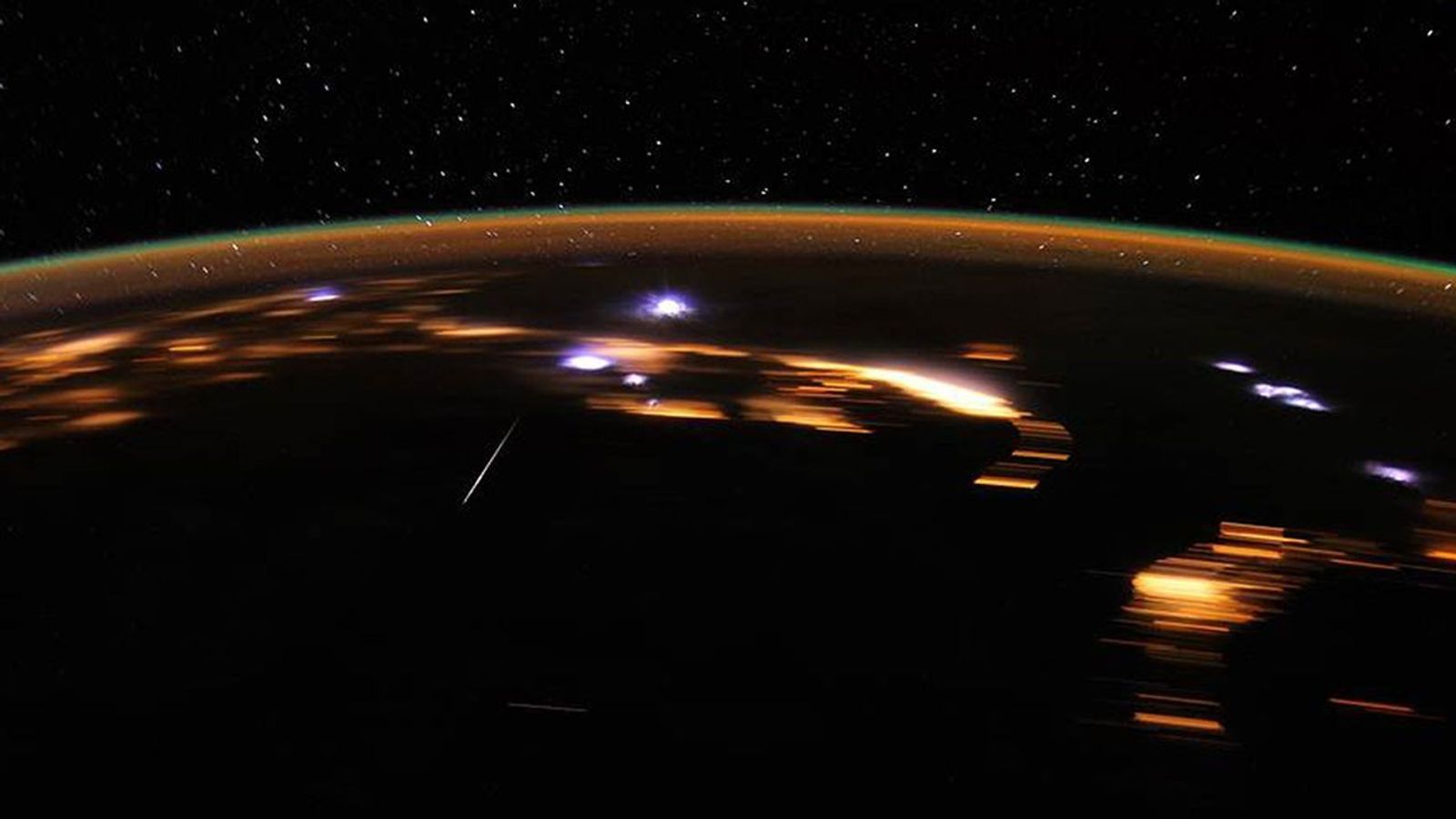
Der Lyriden-Meteorschauer soll am 22. April 2026 seinen Höhepunkt erreichen, und die diesjährige Erscheinung bietet Beobachtern einen klaren Vorteil: mondlose Nächte. Laut dem bereitgestellten Bericht dürfte diese Kombination eines der bekanntesten jährlichen Himmelsereignisse des Frühlings besonders gut sichtbar machen, mit der Möglichkeit heller Meteore und gelegentlicher Feuerkugeln.
Für gelegentliche Himmelsbeobachter ist das Timing ebenso wichtig wie der Meteorschauer selbst. Selbst ein bekanntes jährliches Ereignis kann durch Mondlicht abgeschwächt werden. Ist der Himmel dunkler, haben schwache Spuren, die sonst überstrahlt würden, bessere Chancen aufzufallen. Deshalb stellt der Bericht die Lyriden 2026 als mehr dar als nur eine routinemäßige Wiederkehr. Der Meteorschauer kehrt jedes Jahr zurück, aber die Sichtbedingungen arbeiten nicht immer so gut mit.
Warum die Lyriden Jahr für Jahr Aufmerksamkeit bekommen
Der bereitgestellte Artikel beschreibt die Lyriden als einen der ältesten aufgezeichneten Meteorschauer. Diese historische Tiefe gehört zu ihrer Anziehungskraft. Lange bevor die moderne Astronomie saisonale Himmelsereignisse zu Kalenderterminen machte, beobachteten Menschen diesen Schauer bereits und hielten sein Erscheinen fest. Diese Kontinuität verleiht den Lyriden eine besondere kulturelle und wissenschaftliche Präsenz: Sie sind sowohl ein wiederkehrendes Himmelsereignis als auch eine Erinnerung daran, dass Himmelsbeobachtung heutige Beobachter mit einem viel längeren menschlichen 기록 verbindet.
Der Bericht hebt auch hervor, dass der Schauer „Sternschnuppen“ und in einigen Fällen helle Feuerkugeln erzeugen kann. Dieser Unterschied ist wichtig. Viele Menschen erwarten bei Meteorschauern einen gleichmäßigen filmreifen Regen, nur um dann festzustellen, dass die tatsächliche Erfahrung langsamer und unregelmäßiger ist. Das Interesse bleibt vor allem wegen der Chance auf plötzliche, eindrucksvolle Lichtblitze hoch, die den Rhythmus des Wartens unterbrechen und das Warten lohnend erscheinen lassen.
Mit anderen Worten: Bei den Lyriden geht es nicht nur um die Menge. Es geht auch um die Möglichkeit besonderer Momente. Ein dunklerer Himmel erhöht die Chance, dass solche Momente sichtbar werden.

Monddunkle Bedingungen könnten das Erlebnis 2026 prägen
Das stärkste Detail im bereitgestellten Bericht ist zugleich dasjenige, das am ehesten beeinflusst, ob Menschen tatsächlich etwas sehen: Das Maximum fällt in mondlose Nächte. Für die praktische Beobachtung macht das oft den Unterschied zwischen einem enttäuschenden Versuch und einer unvergesslichen Erinnerung aus. Der Mond ist das häufigste natürliche Hindernis bei der Meteorsicht, besonders für Menschen, die nicht von ideal dunklen Orten aus beobachten.
Monddunkle Bedingungen garantieren keine spektakuläre Show. Wetter, Lichtverschmutzung, Standort, Geduld und reines Glück spielen weiterhin eine Rolle. Aber dunkler Himmel beseitigt eine große Hürde. Er öffnet das Ereignis von etwas, das vor allem engagierten Beobachtern vorbehalten ist, hin zu etwas, das für alle zugänglicher ist, die hinausgehen, nach oben schauen und dem Himmel Zeit geben.
Diese Zugänglichkeit gehört dazu, warum Meteorschauer so beständige öffentliche Wissenschaftsmomente sind. Sie erfordern keinen Start, kein Teleskop und kein Laborergebnis. Sie sind sichtbare Belege für die Himmelsbewegung über uns und schaffen einen Berührungspunkt zwischen Astronomieberichterstattung und Alltagserfahrung.
Eine nützliche Erinnerung daran, wie Weltraumereignisse ins öffentliche Leben eintreten
In einer Zeit, in der sich Weltraumnachrichten oft um Starts, Mondprogramme oder große Observatorien drehen, nehmen jährliche Meteorschauer einen anderen Platz ein. Sie sind wiederkehrend, vorhersehbar und gemeinsam erlebbar. Die Lyriden werden weder die strategische Ausrichtung von Raumfahrtagenturen noch irgendeinen kommerziellen Markt verändern. Ihre Bedeutung liegt vielmehr in der Teilhabe. Sie bringen Menschen auf direkte Weise mit dem Nachthimmel in Kontakt, und zwar auf eine Weise, wie es große Weltraumgeschichten oft nicht tun.
Der bereitgestellte Bericht spiegelt diese öffentliche Rolle wider. Er ist weniger als abstrakte astronomische Notiz geschrieben denn als Einladung zur Beobachtung. Das ergibt Sinn. Meteorschauer gehören zu den wenigen astronomischen Ereignissen, die auch ohne Spezialausrüstung weithin verständlich bleiben. Sie funktionieren als Einstieg in die Neugier, besonders wenn die Bedingungen so günstig sind, dass Erfolg erreichbar wirkt.
Der Hinweis auf helle Feuerkugeln verstärkt diese Anziehungskraft. Das sind die Momente, die aus vorübergehendem Interesse bleibende Aufmerksamkeit machen. Ein einziger außergewöhnlich heller Meteor kann einprägsamer sein als eine ganze Stunde schwacher Spuren. Wenn ein jährlicher Schauer den Ruf hat, gelegentlich solche helleren Ereignisse zu liefern, weitet sich die Berichterstattung natürlich über engagierte Himmelsbeobachter hinaus aus.

Was zu erwarten ist und was nicht
Die Überschrift des bereitgestellten Artikels verspricht den ersten Sternschnuppenregen des Frühlings, aber das tatsächliche Erlebnis ist meist geduldiger und ungleichmäßiger, als diese Formulierung vermuten lässt. Meteorschauer entfalten sich über die Zeit. Beobachter sehen möglicherweise mehrere Meteore in kurzer Folge und warten dann durch eine Pause. Dieses Muster ist normal und einer der Gründe, warum realistische Erwartungen wichtig sind.
Am besten betrachtet man die Lyriden 2026 als Gelegenheit und nicht als Garantie. Die Gelegenheit ist wegen der dunklen Himmelbedingungen am Maximum ungewöhnlich gut. Das Ereignis selbst ist etabliert und historisch gut bekannt. Und die Möglichkeit heller Feuerkugeln fügt eine zusätzliche Ebene des Interesses hinzu. Das sind alles starke Gründe, hinzuschauen. Sie machen den Himmel jedoch nicht auf Abruf zu einer choreografierten Vorstellung.
Diese Unterscheidung kann das Erlebnis sogar verbessern. Meteorsicht funktioniert am besten, wenn man sie als offene Beobachtung versteht und nicht als Countdown zu einem einzigen exakten Moment. Der Reiz liegt darin, bei einem bekannten Himmelsereignis draußen unter dunklem Himmel zu sein und den Schauer sich im Laufe der Zeit entfalten zu lassen.
Warum die Lyriden weiterhin wichtig sind
Es ist verlockend, jährliche Himmelsereignisse als Lückenfüller zwischen größeren wissenschaftlichen Entwicklungen zu betrachten. Die Lyriden sind eine gute Erinnerung daran, dass diese Sicht zu eng ist. Wiederkehrende Ereignisse können bedeutend bleiben, wenn die Bedingungen gut zusammenpassen, und die öffentliche Beschäftigung mit Astronomie hängt oft stärker von zugänglichen, sichtbaren Phänomenen ab als allein von fernen Entdeckungen.
Die Lyriden 2026 scheinen genau diese Kombination zu bieten: ein vertrautes Ereignis, historische Resonanz, günstige Beobachtungsbedingungen und die Möglichkeit visuell eindrucksvoller Meteore. Für alle, die diesen Frühling auf einen einfachen Grund gewartet haben, nach oben zu schauen, reicht das aus.
Was der Bericht stützt
- Der Lyriden-Meteorschauer erreicht am 22. April 2026 sein Maximum.
- Das Maximum fällt in mondlose Nächte, was die Sichtbedingungen verbessert.
- Das Ereignis wird als einer der ältesten aufgezeichneten Meteorschauer beschrieben.
- Beobachter könnten helle Meteore und gelegentliche Feuerkugeln sehen.
Dieser Artikel basiert auf einer Berichterstattung von Live Science. Den Originalartikel lesen.

Originally published on livescience.com