Einer der ungewöhnlicheren Plattformer am Horizont hat endlich einen Veröffentlichungstermin
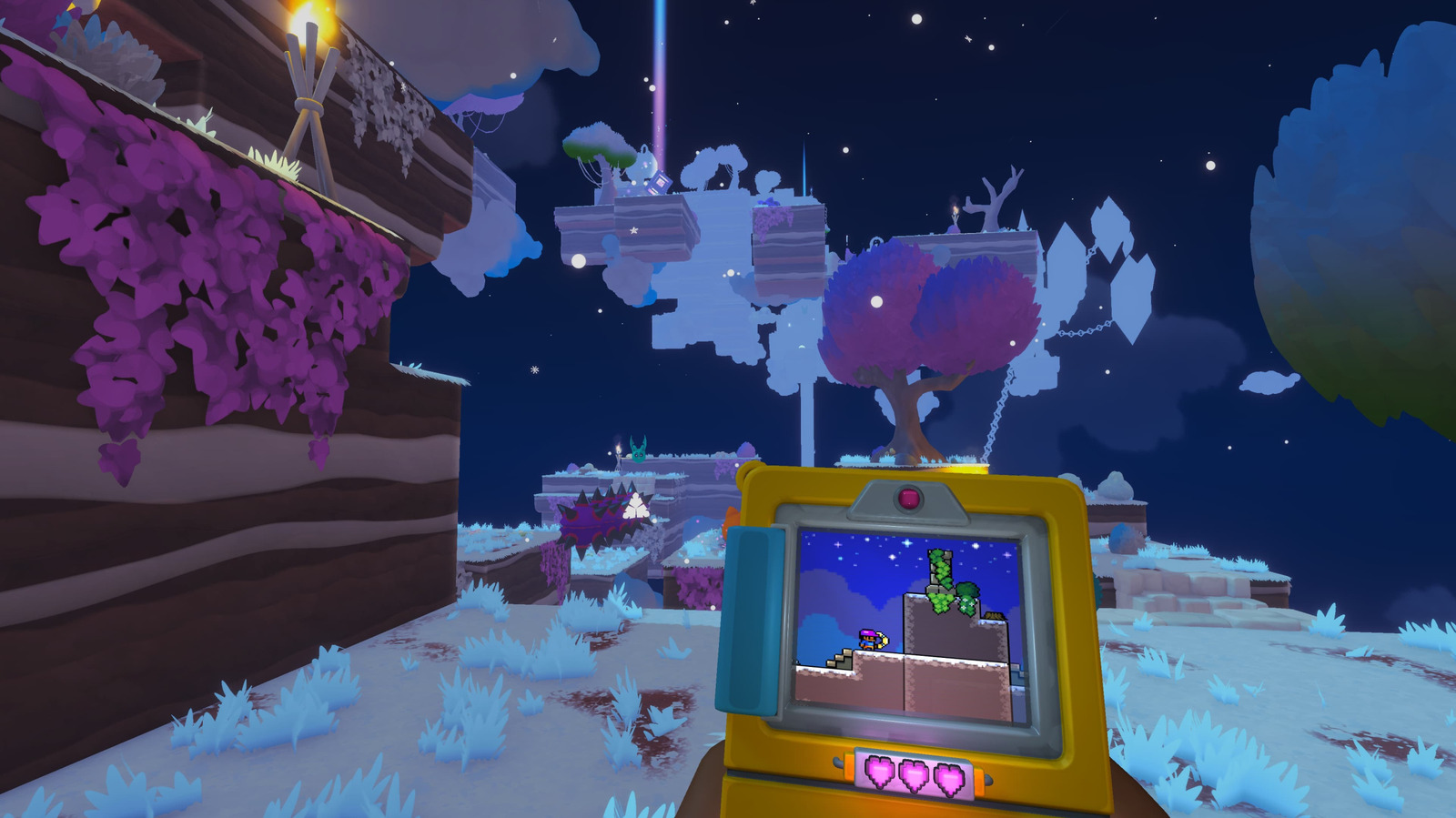
Screenbound erscheint am 10. September für Steam, PlayStation 5, Xbox Series X/S und Xbox for PC, eine Demo ist bereits auf Steam verfügbar. Der Titel, den seine Entwickler als „5D-Plattformer“ beschreiben, lässt Spieler gleichzeitig ein 2D-Handheld-Spiel und eine Figur in einer 3D-Welt steuern. Diese Grundidee hat das Spiel zu einem der aufmerksam verfolgten Indie-Projekte der letzten Jahre gemacht, weil sie nicht nur ein visueller Gag ist. Sie verändert, wie Spieler Aufmerksamkeit aufteilen, Rätsel lösen und Raum wahrnehmen müssen.
In einer Zeit, in der ein Großteil der Spieleindustrie auf vertraute Genre-Mischungen setzt, fällt Screenbound dadurch auf, dass Wahrnehmung selbst zur Mechanik wird. Der Spieler findet ein Game-Boy-ähnliches Gerät namens Qboy, schaltet es ein und wird in eine andere Dimension gezogen, während er das Handheld weiterhin in der Hand hält. Von da an können Objekte, Gegner, Plattformen und Hindernisse in einer Ebene sichtbar sein, in der anderen aber nicht. Der Fortschritt hängt davon ab, beide Ebenen gleichzeitig im Blick zu behalten.
Warum das Konzept wichtig ist
Die zentrale Designherausforderung von Plattformer-Spielen war immer die Lesbarkeit: Kann der Spieler schnell verstehen, wohin er sich bewegen muss, was er vermeiden soll und wie Systeme zusammenwirken? Screenbound erschwert das absichtlich. Es verwandelt das, was normalerweise eine gemeinsame Szene wäre, in zwei überlagerte, aber unterschiedliche Bezugsrahmen. Erfolg hängt damit nicht mehr nur von Timing und Geschick ab, sondern auch vom Management der Aufmerksamkeit.
Laut dem Quelltext beginnt das Spiel als seitlich scrollender Plattformer auf dem Qboy, während eine zweite, bei Day of the Devs enthüllte Kassette in ein 2D-Abenteuer im Zelda-Stil wechselt. Dieser mehrschichtige Ansatz verschafft Screenbound einen weiteren Vorteil. Es baut seine Neuheit nicht auf nur einer Mechanik auf, sondern nutzt die Doppel-Ebenen-Struktur, um mehrere Spielstile innerhalb derselben größeren Fiktion unterzubringen.
Ein Indie-Release mit breiter Plattform-Reichweite
Der 10. September ist auch deshalb bemerkenswert, weil Screenbound nicht als eng begrenzter PC-Experimentallauf, sondern über PC und Konsolen erscheint. Diese breitere Veröffentlichung deutet darauf hin, dass die Entwickler überzeugt sind, dass die Idee über ein Nischenfestival-Publikum hinaus funktioniert. Sie bedeutet auch, dass sie ein praktisches Problem lösen mussten: Ein visuell geteiltes Konzept auf unterschiedlichen Bildschirmen, Steuerungsschemata und Spielgewohnheiten lesbar und spielbar zu machen.
Die sofort verfügbare Demo ist aus einem weiteren Grund wichtig. Hochkonzeptionelle Spiele klingen auf dem Papier oft besser als sie sich in der Hand anfühlen. Eine Demo gibt Screenbound die Möglichkeit zu beweisen, dass die Kernidee nicht nur clever, sondern auch tragfähig ist. Wenn die Interaktion schnell greift, könnte das Spiel die Neugier in echte Dynamik vor dem Start verwandeln.
Worauf vor dem Release zu achten ist
Der Quelltext sagt, dass sich die Geschichte um eine vermisste Mutter dreht, mit Rätseln, die über die zwei Realitäts-Ebenen verteilt sind. Das verleiht dem Spiel unter seiner formal ungewöhnlichen Struktur einen konventionellen emotionalen Anker. Das ist eine vernünftige Balance. Experimentelles Design funktioniert meist am besten, wenn Spieler einen klaren Erzählfaden haben, dem sie folgen können, auch wenn die mechanischen Regeln seltsamer werden.
Die zentrale Frage ist nun das Tempo. Eine Mechanik, die auf geteilter Aufmerksamkeit beruht, kann in kurzen Stößen aufregend wirken, aber bei Übernutzung ermüden. Der Erfolg von Screenbound wird wahrscheinlich davon abhängen, wie gut es die Schwierigkeit variiert, neue Muster einführt und den Spielern erlaubt, Sicherheit aufzubauen, statt nur Verwirrung auszuhalten. Die mehreren Kassettenstile könnten dabei helfen, indem sie die Erwartungen der Spieler erneuern, bevor das Konzept an Wirkung verliert.
Schon jetzt ist klar, dass Screenbound etwas geschafft hat, das in der Spieleberichterstattung immer seltener wird: ein leicht erklärbares und zugleich wirklich eigenständiges Konzept. Mit festem Termin und öffentlicher Demo ist es von der Versprechens- in die Beweisphase übergegangen. Wenn das fertige Spiel die Idee einlöst, könnte der September einen der einfallsreichsten Plattformer des Jahres bringen.
Dieser Artikel basiert auf einer Berichterstattung von Engadget. Zum Originalartikel.
Originally published on engadget.com