Eine 11 Jahre lange Marsmission endet nicht mit einem geplanten Abschied, sondern mit einem verlorenen Signal
NASA hat die Bemühungen beendet, das Raumfahrzeug MAVEN zu bergen, nachdem monatelange Versuche, den Kontakt zum Marsorbiter wiederherzustellen, erfolglos geblieben waren. Das Raumfahrzeug, das 11 Jahre lang auf dem Mars im Einsatz gewesen war und Berichten zufolge in ausgezeichnetem Zustand war, verschwand nach dem Vorbeiflug hinter dem Planeten während einer routinemäßigen Okkultation am 6. Dezember aus dem Kontakt.
Der Verlust kam abrupt. Die Kommunikationsunterbrechung sollte weniger als eine Stunde dauern, doch MAVEN stellte beim Wiederauftauchen keine Verbindung wieder her. Daraufhin wurden Notfallverfahren ausgelöst, während Teams auf der Erde versuchten, schwache Signale zu hören und Befehle zu senden, ohne zu wissen, ob das Raumfahrzeug sie empfing.
Eine langlebige und erfolgreiche Mission
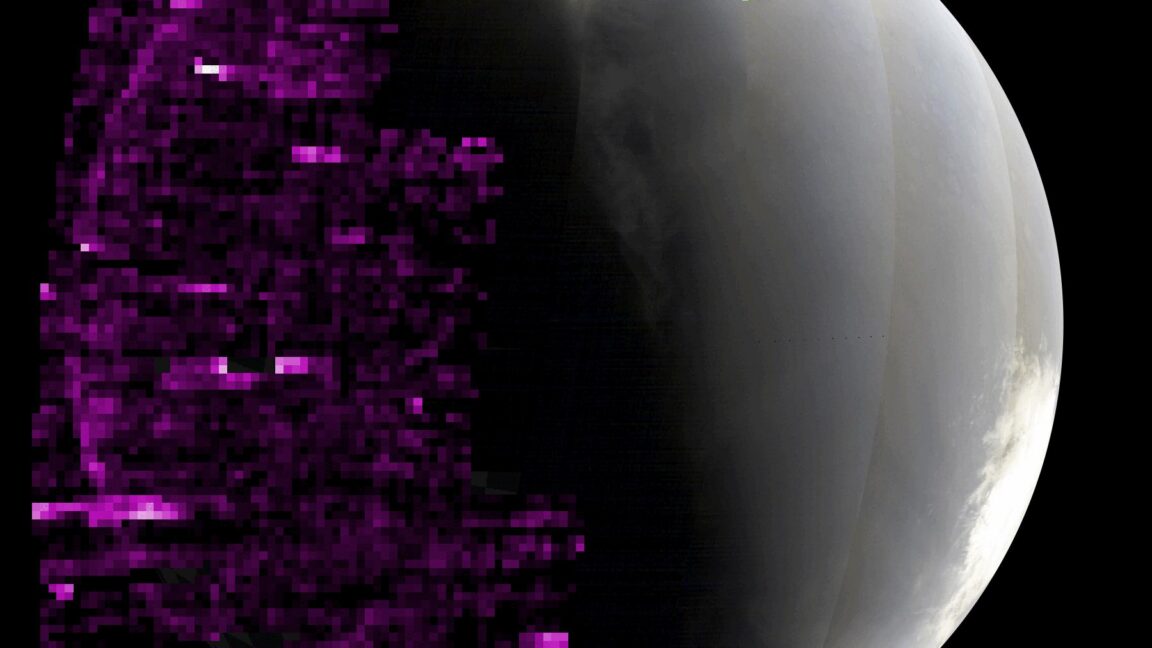
MAVEN, kurz für Mars Atmosphere and Volatile Evolution, wurde 2013 gestartet und erreichte 2014 den Mars. Ihre Aufgabe war es zu untersuchen, wie die Marsatmosphäre mit dem Sonnenwind interagiert, ein Forschungsfeld, das zentral dafür ist zu verstehen, wie der Mars im Lauf der Zeit den Großteil seiner uralten Atmosphäre verlor.
Nach den Maßstäben der Planetenforschung war die Mission ein klarer Erfolg. Sie übertraf ihre ursprüngliche Hauptmission deutlich und lieferte noch mehr als ein Jahrzehnt nach der Ankunft wertvolle Wissenschaftsdaten. Diese lange Einsatzzeit ist einer der Gründe, warum das Schweigen so schockierend wirkte. NASA-Missionen zu anderen Welten arbeiten oft Jahre über ihre ursprüngliche Lebensdauer hinaus weiter, und nichts in dem Bericht deutet darauf hin, dass MAVEN vor dem Ausfall bereits einen offensichtlichen Verfall zeigte.

Was NASA noch weiß und was sie vielleicht nie wissen wird
NASA-Beamte sagten, Ingenieure hätten Fragmente von Telemetrie und Doppler-Verschiebungsdaten aus Signalen wiederherstellen können, die aufgezeichnet wurden, nachdem das Raumfahrzeug eigentlich wieder hätte auftauchen sollen. Diese Fragmente wurden mit Hilfe des Jet Propulsion Laboratory aus aufgezeichneten Signalen extrahiert. Ermittler prüfen außerdem Daten, die MAVEN vor der Signalabschattung durch den Mars übertragen hatte.
Diese Hinweise könnten helfen, den Kreis möglicher Fehler einzugrenzen, doch der Bericht macht klar, dass eine endgültige Erklärung womöglich nie gefunden wird. Mit nur begrenzten Daten und ohne wiederhergestellte Zwei-Wege-Verbindung könnten die Ermittler die letzten Momente nur aus unvollständigen Hinweisen rekonstruieren.
Die Ankündigung von NASA markiert den Übergang von Rettungsversuchen zu Außerbetriebnahme-Aktivitäten. Praktisch bedeutet das, dass die Behörde nicht mehr erwartet, dass das Raumfahrzeug wieder in Betrieb geht.
Das stille Ende eines widerstandsfähigen Erkunders
Es gibt eine besondere Art von Verlust, die mit Deep-Space-Missionen verbunden ist, die nach Jahren des Routinebetriebs plötzlich ausfallen. Die Wissenschaft mag vollständig genug sein, um die Mission als Erfolg zu bezeichnen, doch das Ende bleibt dennoch ungeklärt, weil es weder eine letzte Übertragung noch eine geplante Abschaltsequenz gibt, sondern nur Stille.
Mit diesem Ton endet MAVEN: ein Raumfahrzeug, das mehr als ein Jahrzehnt lang den Mars umkreiste, zuverlässig arbeitete und dann während eines ansonsten gewöhnlichen Orbitereignisses verschwand. Für das Missionsteam kann ein solches Ende schwieriger sein als ein kontrollierter Abschluss, weil es weder einen Abschluss noch Gewissheit bietet.
Dennoch hinterlässt MAVEN eine beeindruckende Bilanz. Die Mission half, das Verständnis der Marsatmosphäre grundlegend zu verändern, und überdauerte ihre Basisanforderungen weit. NASA's Entscheidung, den Versuch aufzugeben, Kontakt aufzunehmen, schließt das operative Kapitel, nicht aber das wissenschaftliche Erbe der Mission.
- MAVEN verlor am 6. Dezember nach einer routinemäßigen Okkultation hinter dem Mars den Kontakt
- NASA hat die Bergungsbemühungen nun eingestellt und mit der Außerbetriebnahme begonnen
- Das Raumfahrzeug wurde 2013 gestartet und erreichte 2014 den Mars
- Ingenieure konnten Fragmente von Telemetrie- und Dopplerdaten sichern, doch die Ursache könnte unklar bleiben
Dieser Artikel basiert auf Berichterstattung von Ars Technica. Den Originalartikel lesen.
Originally published on arstechnica.com