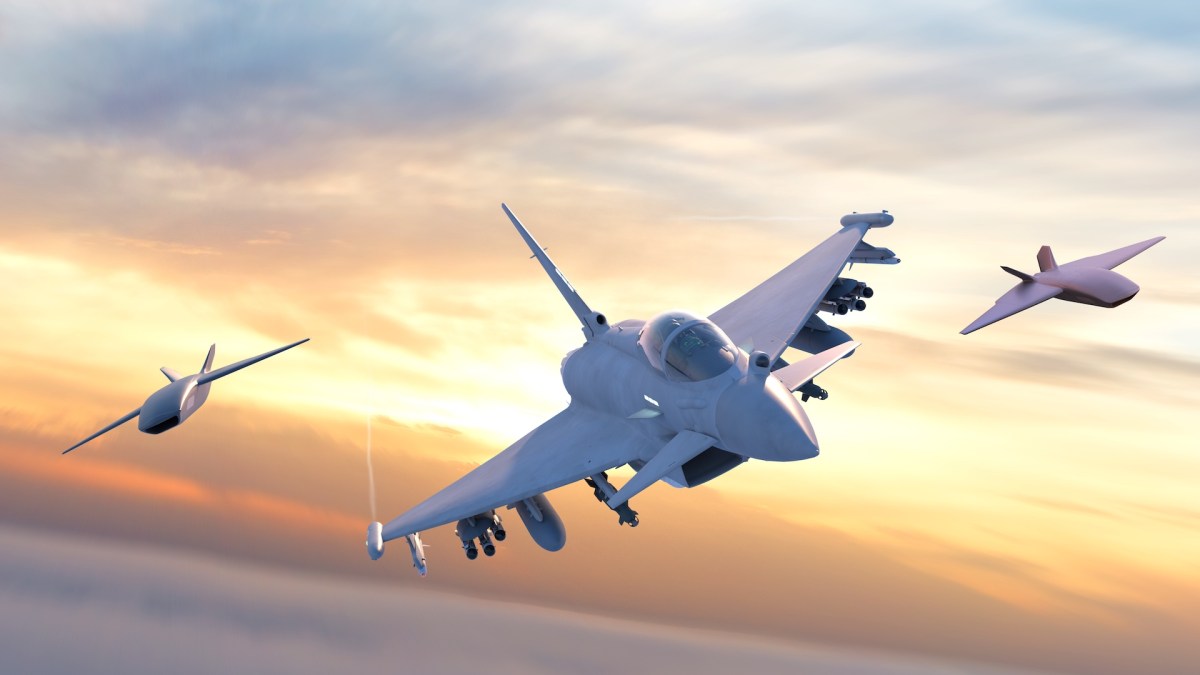
Der Typhoon wird als Steuerplattform für künftige unbemannte Begleiter positioniert
BAE Systems untersucht, wie der Eurofighter Typhoon kooperative Kampfflugzeuge, oder CCA, führen könnte, als Teil eines breiteren Modernisierungspfads für den Jäger und als längerfristige Brücke zum von Großbritannien geführten Tempest-Programm. Das auf der Farnborough Air Show von Unternehmensvertretern diskutierte Konzept würde Typhoon als bemannten Kommandoknoten einsetzen, der gemeinsam mit bewaffneten Drohnen arbeitet, um das zu erhöhen, was Offizielle als Kampfmasse in künftigen Gefechtsräumen bezeichnen.
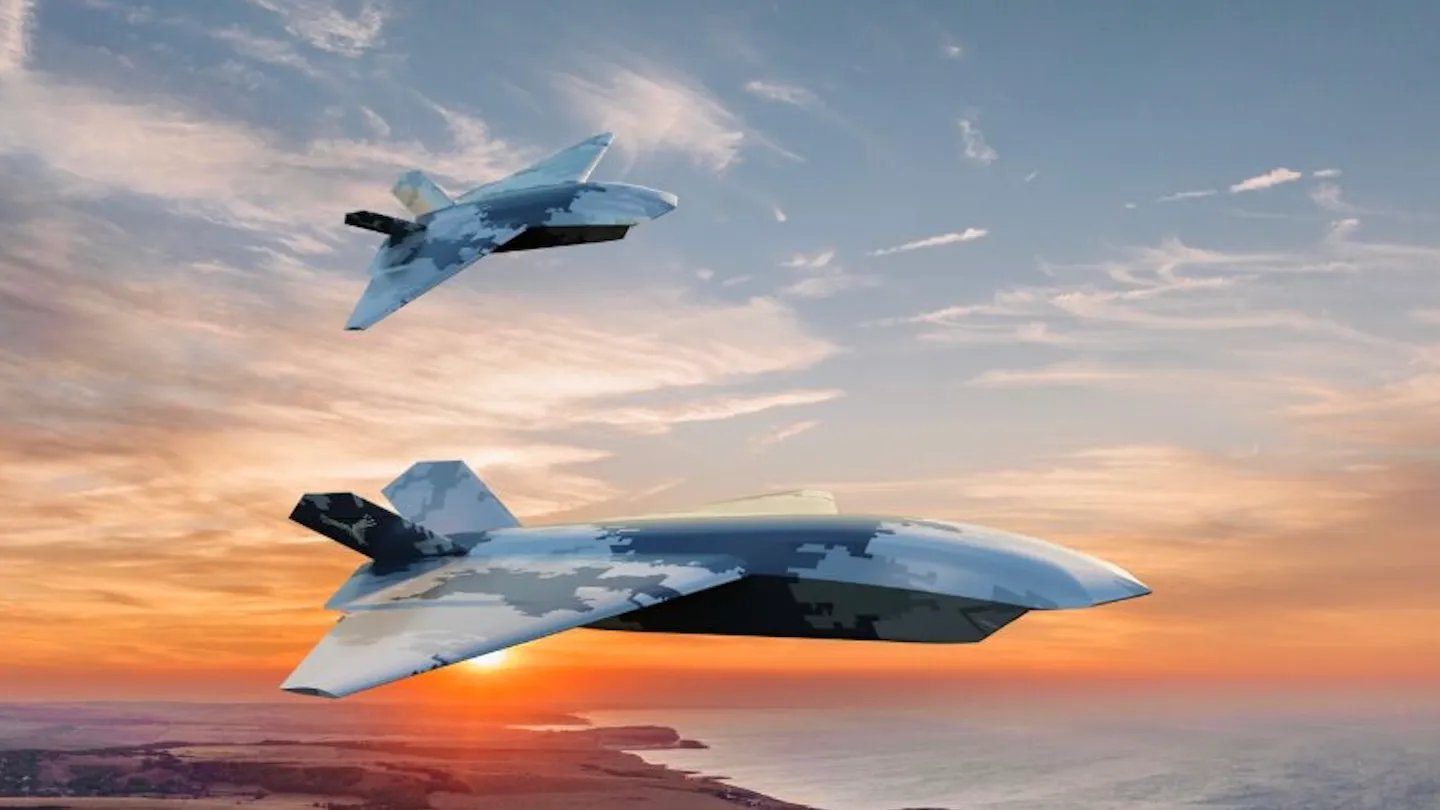
Das Timing ist bemerkenswert. Das Briefing kam nur eine Woche, nachdem die Royal Air Force ihre neue CCA-Initiative namens Storm Fighter gestartet hatte, die Drohnen hervorbringen soll, die mit Typhoon, F-35 und schließlich Tempest operieren können. BAE sagt, die Arbeit an der Typhoon-CCA-Kopplung habe sich in den vergangenen 12 Monaten beschleunigt, was darauf hindeutet, dass die Integration von bemannt und unbemannt von einem breiten Anspruch zu einer konkreteren Fähigkeitslinie übergeht.
Für Großbritannien ist das wichtig, weil Typhoon auch dann voraussichtlich zentral für die Luftmachtplanung bleiben wird, wenn Tempest voranschreitet. Wenn das Flugzeug vor dem Eintreffen von Plattformen der sechsten Generation zur Steuerung von Drohnen im Loyal-Wingman-Stil angepasst werden kann, könnte Großbritannien Teile dieses zukünftigen Kampfmodells früher einsetzen und über mehrere Flotten verteilen.
Die operative Logik lautet: mehr Raketen, mehr Persistenz, mehr Reichweite
BAE Systems stellte die Idee in den Rahmen eines bekannten Problems des modernen Luftkampfs: Bemannte Kampfflugzeuge sind teuer, begrenzt verfügbar und sehen sich zunehmend größeren und stärker verteilten Bedrohungsumgebungen gegenüber. Der Zusatz kooperativer Drohnen ist ein Weg, die Reichweite zu vergrößern, ohne dass jede Missionswirkung aus dem Cockpit eines wertvollen bemannten Jets kommen muss.
Chris Moon, Typhoon Future Capability Director bei BAE Systems, sagte, die Radarreichweite, Geschwindigkeit, Wendigkeit und Bordverarbeitung des Jagdflugzeugs könnten es ihm ermöglichen, zusammen mit CCAs zu arbeiten und die den Luftstreitkräften verfügbare Kampfmasse zu erhöhen. Praktisch bedeutet das, dass ein Typhoon helfen könnte, mehr Waffen in einen Kampf zu bringen, über größere Entfernungen zu operieren und Präsenz länger aufrechtzuerhalten, als er es allein könnte.
Der Quelltext verweist ausdrücklich auf Konzepte mit CCAs, die mit Meteor-Raketen bewaffnet sind. Dieses Detail ist wichtig, weil Meteor eine der führenden europäischen Luft-Luft-Waffen für den jenseits-der-Sichtweite-Einsatz ist. Drohnen mit dieser Raketenklasse zu koppeln, würde weit über Täusch- oder Aufklärungsrollen hinausgehen. Es deutet auf eine künftige Streitkräfte-Struktur hin, in der unbemannte Flugzeuge direkt zum Luft-Luft-Raketenarsenal beitragen könnten, das in umkämpften Luftraum eingebracht wird.
Selbst auf Konzeptionsebene verändert das die Debatte. Kooperative Flugzeuge werden oft abstrakt in Bezug auf Autonomie, Verbrauchbarkeit oder Sensorerweiterung vermarktet. Sie mit einer hochklassigen Raketenlast zu verknüpfen, verschiebt den Fokus auf unmittelbaren Kampfnutzen und Magazin-Tiefe.
Typhoon-Upgrades sind die ermöglichende Schicht
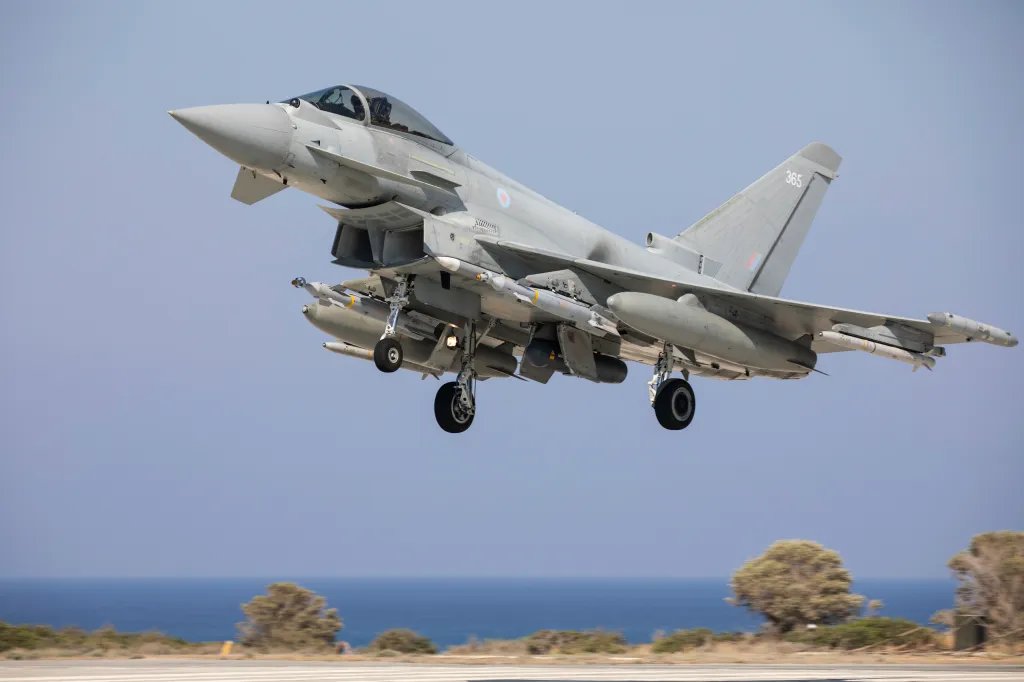
BAE sagt, die Drohnen-Kopplungsfähigkeit werde voraussichtlich innerhalb eines größeren Pakets von Typhoon-Verbesserungen im Rahmen des Long-Term Evolution-Programms, oder LTE, liegen. Dieses Programm geht nicht nur darum, einen neuen unbemannten Partner hinzuzufügen. Es geht auch darum, Typhoon die Sensor-, Anzeige- und Verarbeitungswerkzeuge zu geben, die nötig sind, um einen solchen Partner zu führen.
Der Quelltext nennt drei Hauptelemente dieser breiteren Entwicklung: das Cockpit mit großflächigem Display, das European Common Radar System Mk 2 und weitere nächste Generation umfassende Mission-System-Verbesserungen. Zusammengenommen verweisen diese Upgrades auf die zugrunde liegende Herausforderung des bemannten-unbemannten Teamings. Ein Kampfpilot kann zusätzliche Flugzeuge im Gefecht nicht wirksam kontrollieren, ohne ein besseres Interface-Design, mehr Sensorfusion und genügend Bordrechenleistung, um die richtigen Informationen schnell zu verarbeiten und darzustellen.
Das Großflächendisplay ist in diesem Zusammenhang besonders wichtig, weil die Zusammenarbeit mit Drohnen eine hohe kognitive Belastung verursachen könnte. Wenn Typhoon als Quarterback-Flugzeug dienen soll, wie Moon es andeutete, muss das Cockpit Führungsentscheidungen unterstützen, ohne den Piloten zu überfordern. Das Radar-Upgrade ist ebenso zentral. Ein bemannter Jet, der Ziele auf längere Distanz erkennen, verfolgen, klassifizieren und Zielinformationen verteilen kann, ist als Steuerplattform für entfernte Mittel deutlich nützlicher.
Mit anderen Worten: Das Drohnenkonzept ist untrennbar mit dem restlichen Modernisierungspaket verbunden. Typhoon braucht nicht nur einen Datentransferlink, um mit CCAs zu sprechen. Es muss sich zu einem Kampfmanagement- und Sensorknoten entwickeln, der Drohnen nutzen kann, um seine eigene Gefechtswirkung zu erweitern.
Ein Sprungbrett zu Tempest, kein separater Pfad
Eine der klarsten Aussagen des Briefings ist, dass Typhoon-CCA nicht als isoliertes Konzept verfolgt wird. BAE verknüpfte es ausdrücklich mit Tempest, dem künftigen Kampfflugzeug, das von Beginn an eng mit Drohnen operieren soll. Die Erfahrungen aus der Typhoon-Integration sollen auf diese spätere Plattform übertragen werden.
Das ergibt strategisch Sinn. Tempest ist weiterhin ein Langfristprogramm, und Luftstreitkräfte können nicht warten, bis es eintrifft, um zu lernen, wie man kooperative Flugzeuge führt, ihnen vertraut und sie taktisch einsetzt. Typhoon als frühe Erprobungs- und Einsatzplattform zu nutzen, bietet die Möglichkeit, Doktrin, Softwarearchitekturen und Mensch-Maschine-Schnittstellen schon jetzt zu entwickeln.
Es reduziert auch das Risiko für das künftige Programm. Konzepte, die sich als unpraktikabel, zu komplex oder operativ fragil erweisen, können früher identifiziert werden. Konzepte, die funktionieren, können verfeinert werden, bevor sie in einem Kampfflugzeug der nächsten Generation in größerem Umfang und zu höheren Kosten eingebaut werden.
Storm Fighter zeigt, dass die RAF einen flottenweiten Ansatz will
Das neue RAF-Programm Storm Fighter unterstreicht, dass dies nicht nur eine Typhoon-Geschichte ist. Laut Quelltext soll die entstehende CCA mit Typhoon, F-35 und Tempest in den Kampf gehen können. Das deutet darauf hin, dass Großbritannien ein kooperatives Drohnen-Ökosystem anstrebt, das mehrere bemannte Plattformen unterstützt, statt eines maßgeschneiderten Zusatzes, der an einen einzelnen Flugzeugtyp gebunden ist.
Dieser Ansatz hat praktische Vorteile. Gemeinsame Drohnenfamilien, Missionssysteme und Teaming-Konzepte könnten Integrationskosten senken und künftige Upgrades vereinfachen. Er könnte der RAF auch erlauben, unbemannte Mittel je nach Einsatz zwischen verschiedenen Kräftepaketen zu verschieben, sei es Luftverteidigung, Begleitschutz, Unterdrückung oder Unterstützung von Angriffen.
Zugleich erhöht ein Mehrplattform-Konzept die technische Messlatte. Schnittstellen, Steuerlogik und Missionsdatenflüsse müssen über Flugzeuge mit unterschiedlichen Sensoren, Cockpits und Einsatzrollen hinweg funktionieren. Was auf Flottenebene effizient klingt, kann aus Sicht der Systemtechnik schwierig werden.
Das Konzept schreitet voran, ist aber noch ein Konzept
Der wichtigste Vorbehalt ist, dass die Arbeit von BAE weiterhin in der Konzeptphase ist. Das Unternehmen sagt, es investiere breiter in kooperative Kampfflugzeuge und bemannt-unbemannte Teaming-Ansätze und dass die Typhoon-bezogene Arbeit beschleunigt worden sei. Im bereitgestellten Quelltext gibt es jedoch keinen Hinweis darauf, dass bereits ein finalisiertes operatives Design, eine Produktionsentscheidung oder eine eingesetzte Fähigkeit existiert.
Das macht die Entwicklung nicht trivial. Im Gegenteil: Konzeptarbeit in diesem Stadium hilft dabei, zu definieren, was zukünftige Luftkampfführung tatsächlich von bereits im Dienst befindlichen Flugzeugen verlangen wird. Typhoons mögliche Rolle als Steuerplattform für bewaffnete Drohnen weist auf eine Zukunft hin, in der Luftherrschaft nicht nur von der Leistung eines einzelnen Jets abhängt, sondern davon, wie effektiv ein bemanntes Flugzeug ein breiteres Netzwerk aus Sensoren und Schützen orchestrieren kann.
Wenn dieses Modell trägt, dann geht die Bedeutung der britischen Initiative über einen einzelnen Jäger oder ein einzelnes Drohnenprogramm hinaus. Sie legt nahe, dass der Übergang zum kooperativen Luftkampf nicht mehr nur für Flugzeuge der nächsten Generation reserviert ist. Er wird in die heutige Streitkräfte-Struktur hineingezogen, in der Luftstreitkräfte versuchen, Reichweite, Raketenbestand und Überlebensfähigkeit zu strecken, ohne auf völlig neue Flotten warten zu müssen.
Dieser Artikel basiert auf Berichterstattung von twz.com. Originalartikel lesen.
Originally published on twz.com