Eine Stealth-Drohne für den vertikalen Einsatz
Shield AI und GE Aerospace haben neue Details zu X-BAT vorgestellt, einem autonomen, strahlgetriebenen Stealth-Drohnenkonzept, das senkrecht starten und nach Abschluss einer Mission senkrecht mit dem Heck voran landen soll. Das Flugzeug wird als autonome VTOL-Kampfdrohne beschrieben, und die Entwickler planen, die Tests für Senkrechtstart und -landung vor Ende 2026 zu beginnen.
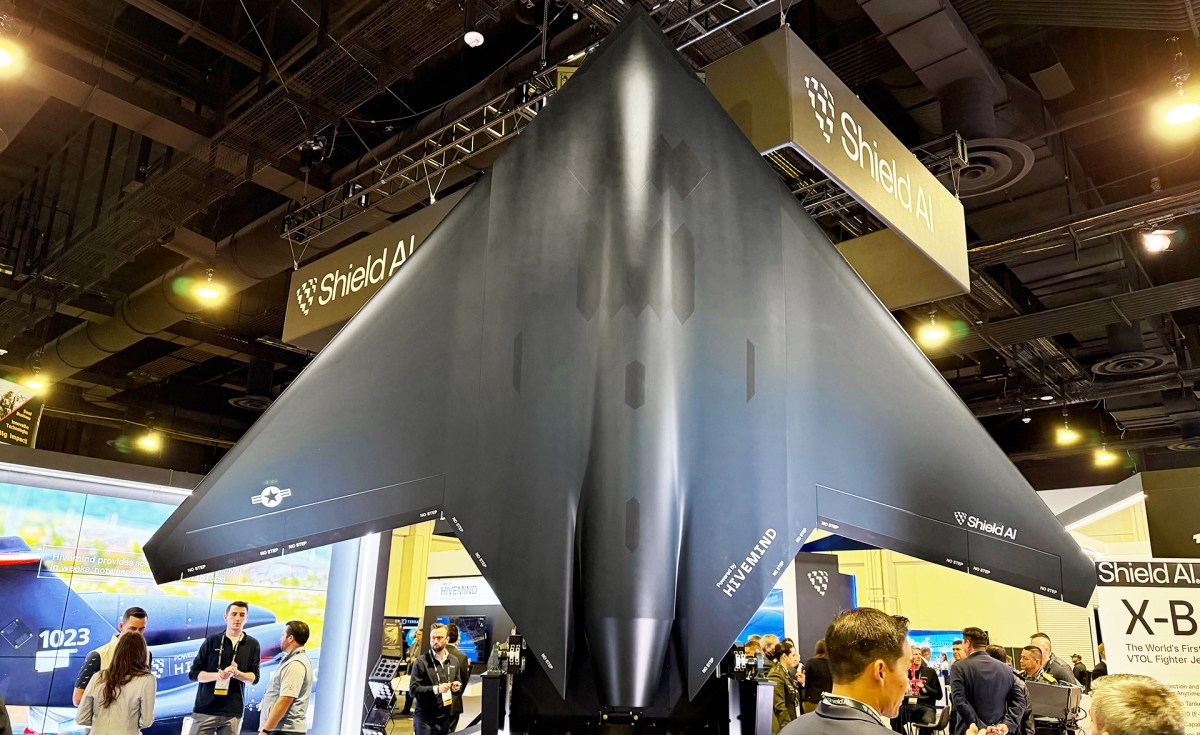
Die Aktualisierung erfolgte während der Messe Sea-Air-Space 2026 in der Nähe von Washington, D.C., wo sich Vertreter von Shield AI und GE Aerospaces Edison Works mit Reportern austauschten. Die Unternehmen zeigten außerdem ein etwa halb so großes Modell, das erhebliche Änderungen gegenüber dem früheren Entwurf aufwies. Diese Designänderungen sind der zentrale Entwicklungsschritt: X-BAT scheint sich inzwischen von einer Cranked-Kite-ähnlichen Grundform hin zu einer stärker pfeilspitzenartigen Konfiguration mit gerader Vorderkante und deutlich stärkerem Pfeilungswinkel entwickelt zu haben.
Diese Form ist wichtig, weil unbemannte Kampfflugzeuge an der Schnittstelle von Tarnung, Reichweite, Geschwindigkeit, Nutzlast und Unabhängigkeit von Start- und Landebahnen angesiedelt sind. Ein Flugzeug mit Senkrechtstart benötigt nicht denselben Stützpunkt-Fußabdruck wie ein konventionelles Bahnflugzeug. Ein getarntes autonomes Flugzeug könnte, wenn es wie vorgesehen funktioniert, von stärker verteilten Standorten aus operieren und das Risiko für menschliche Piloten verringern.
Eine umfassende Neugestaltung
Der Bericht von The War Zone sagt, dass das bisherige X-BAT-Design eine Cranked-Kite-ähnliche Anordnung verwendet habe. Das neuere Modell zeigt stattdessen ein markantes Pfeilspitzen-Profil. Der Bericht vergleicht die allgemeine Grundform mit Entwürfen wie dem Boeing X-45C Phantom Ray UCAV-Prototyp und Chinas GJ-11 Sharp Sword.
Armor Harris, als Chefdesigner von X-BAT genannt, sagte, das Team habe einen iterativen Entwicklungsansatz verfolgt und Designverbesserungen auf Basis von Testdaten vorgenommen. Das ist eine wichtige Aussage, weil die Anforderungen an X-BAT ungewöhnlich hoch sind. Ein Senkrechtstart- und Hecklandungsprofil für ein strahlgetriebenes Flugzeug ist weitaus komplexer, als einfach eine konventionelle Drohne mit autonomer Software zu bauen.
Bei einem Kampfflugzeug ist die Form keine Frage der Optik. Die Grundform beeinflusst aerodynamische Leistung, internen Bauraum, Radarsignatur und das Verhalten des Flugzeugs über das gesamte Missionsprofil hinweg. Die neue Form scheint laut dem Quellbericht besser auf höheren Geschwindigkeitsflug ausgelegt zu sein. Der Artikel nennt weder Testergebnisse noch Leistungszahlen, daher sollte die Neugestaltung als technisches Signal und nicht als Beweis endgültiger Fähigkeiten verstanden werden.
Übernahme von Schubvektor-Hardware aus einer experimentellen F-16
Einer der auffälligsten Punkte betrifft das Schubvektorsystem des Flugzeugs. GE Aerospace sagte, die Triebwerksdüse sei die Axisymmetric Vectoring Exhaust Nozzle, kurz AVEN, aus einer spezialisierten F-16 mit Schubvektorsteuerung, die auf der Edwards Air Force Base getestet worden war. Der Quellbericht stellt die Übernahme dieser Düse als bemerkenswerte Wiederverwendung früherer experimenteller Hardware für ein neues autonomes Flugzeugprojekt dar.
Schubvektorsteuerung ist für das X-BAT-Konzept zentral, weil das Flugzeug zwischen vertikalem und Vorwärtsflug wechseln und sich beim Hecklandemanöver selbst kontrollieren muss. Bei einem konventionellen Jet übernehmen Steuerflächen und aerodynamische Strömung den Großteil der Arbeit, sobald das Flugzeug schnell genug unterwegs ist. Bei vertikalen Operationen, besonders im Schwebezustand oder während des Übergangs, kann die Richtung des Triebwerksabgases zum primären Steuerungsmechanismus werden.
Die Nutzung einer bereits existierenden experimentellen Düse zeigt auch, wie die militärische Luftfahrtentwicklung hart erkämpfte Testdaten und Hardware aus früheren Programmen wiederverwenden kann. Experimentelle Flugzeuge bringen oft Technologien hervor, die nicht sofort zu einsatzfähigen Systemen werden. Jahre später können diese Teile wieder nützlich werden, wenn ein neues Flugzeugkonzept die alte Investition erneut relevant macht.
Warum Autonomie die Gleichung verändert
X-BAT wird als autonomes Flugzeug entwickelt und unterscheidet sich damit von früheren senkrecht landenden Jet-Konzepten, die auf Piloten ausgerichtet waren. Autonomie bedeutet nicht nur, dass das Cockpit entfällt. Sie kann die Größe des Flugzeugs, das Missionsrisiko und die Art seiner Einsatzplanung beeinflussen. Ohne Piloten an Bord kann ein System für Missionen eingesetzt werden, bei denen Befehlshaber ein bemanntes Flugzeug womöglich nicht riskieren würden.
Gleichzeitig stellt Autonomie einen sehr hohen Anspruch an die Zuverlässigkeit. Eine auf dem Heck landende Jet-Drohne muss Antrieb, Lage, Navigation und Missionsverhalten in Flugregimen kontrollieren, die kaum Fehlertoleranz lassen. Ein fehlgeschlagener Landevorgang könnte das Flugzeug zerstören. Ein fehlerhaftes Missionsautonomiesystem könnte den militärischen Nutzen mindern, selbst wenn der Flugkörper gut funktioniert.
Das Quellmaterial beschreibt den Autonomie-Stack nicht im Detail und nennt auch nicht Reichweite, Nutzlast, Sensorsuite, Waffenintegration oder Stückkosten des Flugzeugs. Diese Auslassungen sind wichtig, weil der militärische Wert von X-BAT vom Gesamtsystem abhängt, nicht nur von seinem Erscheinungsbild oder seiner Fähigkeit zum Senkrechtflug.
Ein breiterer Wandel im Kampfflugzeugdesign
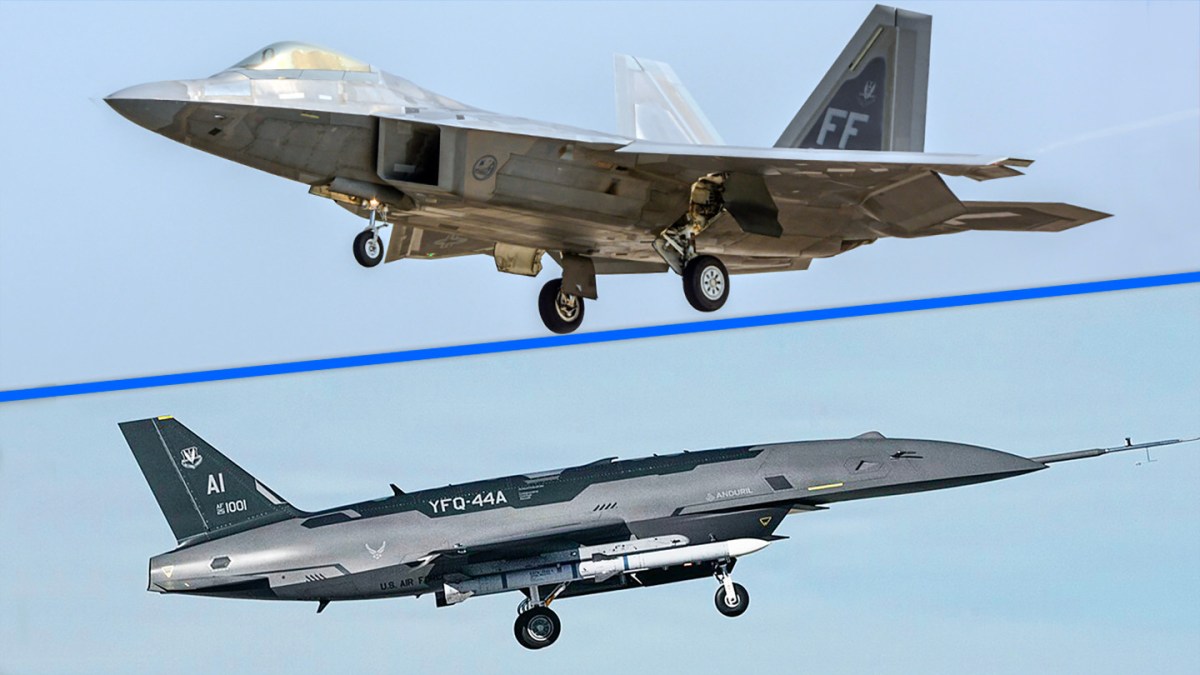
X-BAT fügt sich in einen breiteren Trend der Verteidigungsbranche ein: Luftstreitkräfte und Rüstungsunternehmen untersuchen unbemannte Flugzeuge, die bemannte Jäger ergänzen oder in manchen Einsätzen ersetzen können. Der Reiz ist klar. Autonome Flugzeuge können kleiner, potenziell günstiger und entbehrlicher sein als bemannte Plattformen und dennoch in umkämpften Umgebungen operieren.
Der Senkrechtstart bringt einen zweiten Trend mit sich: verteilte Operationen. Moderne Luftwaffenstützpunkte sind anfällig für Raketenangriffe, und Flugzeuge, die lange vorbereitete Startbahnen benötigen, lassen sich im großen Maßstab womöglich leichter anvisieren. Eine getarnte VTOL-Drohne könnte prinzipiell von einer größeren Zahl an Standorten aus operieren. Der Quellbericht nennt nicht, wo X-BAT stationiert würde oder wie es im Einsatz unterstützt würde, aber das Designkonzept adressiert direkt die Abhängigkeit von Startbahnen.
Was derzeit bekannt ist
- Shield AI und GE Aerospace enthüllten auf der Sea-Air-Space 2026 neue Details zu X-BAT.
- Das Flugzeug ist eine strahlgetriebene autonome Stealth-Drohne für den Senkrechtstart und die Landung mit dem Heck voran.
- Ein etwa halb so großes Modell zeigte eine deutlich neu gestaltete pfeilspitzenförmige Grundform.
- VTOL-Tests sind laut dem Quellbericht vor Ende 2026 geplant.
- GE Aerospace sagte, die Schubvektor-Düse stamme von einer spezialisierten experimentellen F-16.
Das X-BAT-Programm bleibt ambitioniert und in der Öffentlichkeit unbewiesen. Das neue Modell und das offengelegte Detail zur Schubvektorsteuerung deuten jedoch darauf hin, dass Shield AI und GE von Konzeptgrafiken zu hardwaregestützten Tests übergehen. Der nächste wichtige Meilenstein wird sein, ob das Flugzeug einen kontrollierten Senkrechtstart und eine kontrollierte Senkrechtlandung demonstrieren kann, denn diese Fähigkeit steht im Zentrum dessen, was das Design verspricht.
Dieser Artikel basiert auf einem Bericht von twz.com. Originalartikel lesen.
Originally published on twz.com