Pinpoint geht über Spezialnutzer hinaus
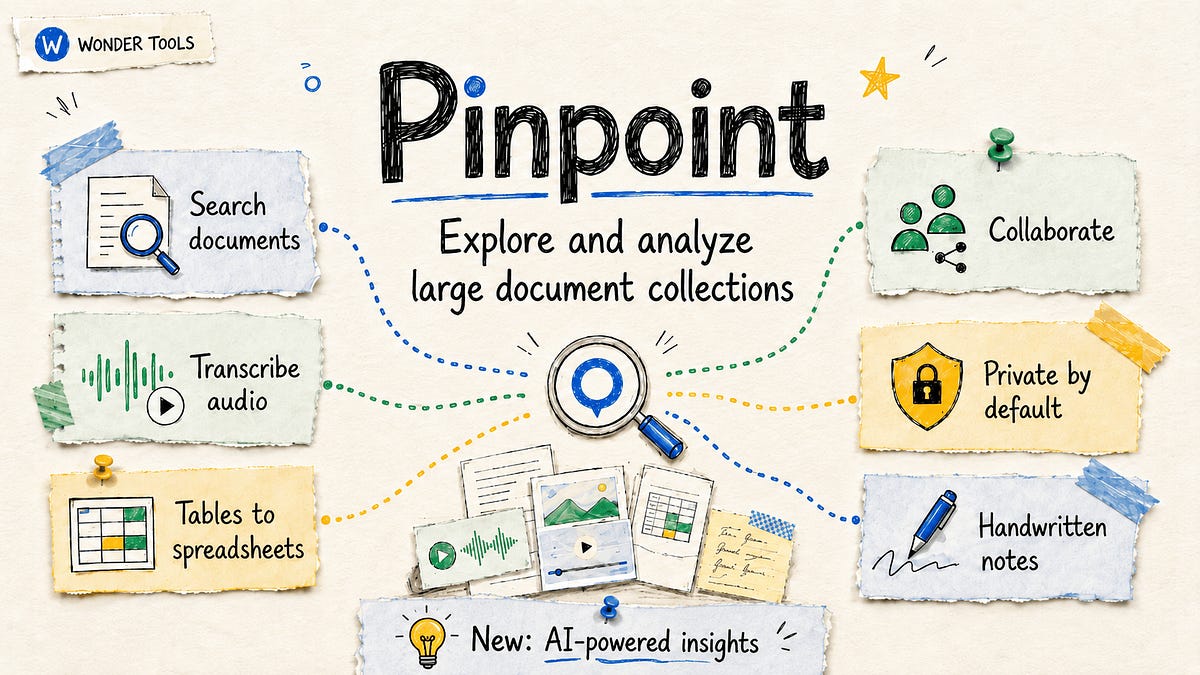
Googles Pinpoint ist seit Jahren als Recherchewerkzeug verfügbar, das vor allem von Journalistinnen, Journalisten und Akademikern genutzt wird, doch die jüngste Änderung hat weniger mit neuer Oberflächenpolitur zu tun als mit Marktzugang. Die Plattform ist nun für alle geöffnet. Das ist wichtig, weil Pinpoint keine einfache Notiz-App und auch keine Chatbot-Hülle ist. Es ist darauf ausgelegt, sehr große Sammlungen von Dateien über mehrere Medientypen hinweg aufzunehmen, zu transkribieren, zu durchsuchen, zusammenzufassen und zu organisieren.
Diese Funktion der breiten Öffentlichkeit zugänglich zu machen, erweitert die Zahl der Menschen, die mit Archiven, Ermittlungsunterlagen, Sitzungsaufzeichnungen, eingescannten Notizen und anderen unübersichtlichen Dokumentbeständen arbeiten können, die ohne spezialisierte Software traditionell schwer zu verarbeiten waren. Praktisch bedeutet das: Pinpoint macht einen professionellen Recherche-Workflow für den Mainstream erreichbar.
Wofür das Tool gedacht ist
Der bereitgestellte Quelltext beschreibt Pinpoint als ein System zum Speichern und Analysieren riesiger Dateisammlungen mit Unterstützung für PDFs, E-Mails, Audio, Video, handschriftliche Notizen, Scans und andere Formate. Jede Sammlung kann bis zu 200.000 Dateien enthalten, und Nutzer können eine unbegrenzte Anzahl von Sammlungen verwalten. Nach Abschluss der Verarbeitung werden die Materialien durchsuchbar und lassen sich in großem Maßstab leichter abfragen, markieren, zusammenfassen und Informationen daraus extrahieren.
Diese Kombination macht das Produkt aus. Viele KI-Tools können Fragen zu einigen wenigen Dokumenten beantworten. Pinpoint ist für Menschen gedacht, die Muster über Hunderte, Tausende oder sogar Hunderttausende von Dateien hinweg finden müssen. Es unterstützt außerdem Transkription in mehr als 100 Sprachen und kann handschriftlichen Text sowie gescannte Bilder durchsuchbar machen, was den Nutzen über saubere digitale PDFs hinaus erweitert.

Warum der öffentliche Start wichtig ist
Vor dem 3. Juni, so die Quelle, war der Zugriff auf Pinpoint auf Journalistinnen, Journalisten und Akademiker beschränkt. Mit dem Wegfall dieser Hürde setzt Google darauf, dass groß angelegte Informationsanalyse kein Nischenbedarf mehr ist. Berater, gemeinnützige Forschende, juristische Support-Teams, lokale Ermittler, Historiker, Studierende und kleine Unternehmen arbeiten alle mit großen Mengen halbstrukturierter Materialien, die für eine gewöhnliche manuelle Prüfung zu umfangreich und für klassische Tabellenkalkulationen zu vielfältig sind.
Auch das Speichermodell des Produkts deutet darauf hin, wo Google den Wert sieht. Journalistinnen, Journalisten und Akademiker können eine professionelle Stufe mit 100 Gigabyte Speicher anfordern, während andere Nutzer mit 1 Gigabyte beginnen. Audio- und Videodateien können jeweils bis zu zwei Stunden lang und 8 Gigabyte groß sein. Diese Grenzen sind großzügig genug, um echte Archivarbeit zu unterstützen, nicht nur leichtes Experimentieren.
Einordnung in die aktuelle KI-Tool-Landschaft
Die Quelle stellt Pinpoint ausdrücklich NotebookLM gegenüber, und dieser Vergleich ist hilfreich. NotebookLM wird oft im Zusammenhang mit Synthese, Frage-Antwort und geführter Erkundung eines kleineren Satzes von Quellenmaterial gesehen. Pinpoint ist stärker als Entdeckungsmaschine für große Archive positioniert, bei denen die erste Herausforderung nicht darin besteht, Erkenntnisse zu formulieren, sondern den Korpus überhaupt erst durchsuchbar und strukturiert genug zu machen, um ihn abzufragen.
Der Artikel nennt auch praktische Anwendungsfälle, die diesen Unterschied verdeutlichen. Nutzer können Gmail-Ordner über Google Takeout im Format .mbox exportieren, in Pinpoint hochladen und nach Mustern rund um Personen, Orte oder Organisationen suchen. Sie können lange Aufnahmen transkribieren, Text in Fotos und Scans untersuchen und Sammlungen mit Mitarbeitenden teilen oder sogar öffentlich machen. Diese Veröffentlichungsfunktion ist in Journalismus und Forschung wichtig, weil Transparenz oft davon abhängt, anderen direkten Zugang zu Quellenmaterial zu geben.
Die Grenzen bleiben relevant
Die bereitgestellte Quelle stellt Pinpoint positiv dar, weist aber auch darauf hin, dass das Tool neue KI-Funktionen mit Einschränkungen hat. Selbst ohne eine vollständige Liste dieser Beschränkungen im Auszug lohnt sich Vorsicht. Systeme, die aus großen Datensätzen zusammenfassen oder extrahieren, können das Auffinden und Organisieren von Informationen beschleunigen, ersetzen aber nicht die sorgfältige Prüfung von Quellen. Suchbarkeit in großem Maßstab ist leistungsstark, aber nicht dasselbe wie verifizierte Interpretation.
Dennoch ist die größere Bewegung klar. Google nimmt einen Workflow, der früher professionellen Forschenden vorbehalten war, und macht ihn zu einem öffentlichen Werkzeug. Wenn Mainstream-Nutzer ihn annehmen, könnte die Wirkung subtil, aber bedeutsam sein: Mehr Menschen erhalten Zugang zu Werkzeugen, die nicht nur dazu da sind, mit Informationen zu chatten, sondern um überwältigende Mengen davon tatsächlich zu verwalten und zu prüfen.
In einem KI-Markt voller Assistenten, die Erkenntnisse aus kleinen kuratierten Eingaben versprechen, sticht die Erweiterung von Pinpoint aus einem anderen Grund hervor. Es geht zuerst darum, Ordnung in das rohe Archiv zu bringen. Für alle, die mit umfangreichen digitalen Beständen arbeiten, könnte sich das als die nachhaltigere Fähigkeit erweisen.
Dieser Artikel basiert auf einer Reportage von Fast Company. Den Originalartikel lesen.
Originally published on fastcompany.com