The Box Office Shock Heard Round the World
This week, the first Star Wars movie in years is being crushed at the box office by two low-budget horror films. That sentence alone signals something profoundly off in Hollywood. The old studio executives and streamers who control most of the money that funds movies are facing a reckoning. The audience is voting with their wallets, and they're choosing fresh, inexpensive scares over billion-dollar franchises.
An Expert Weighs In
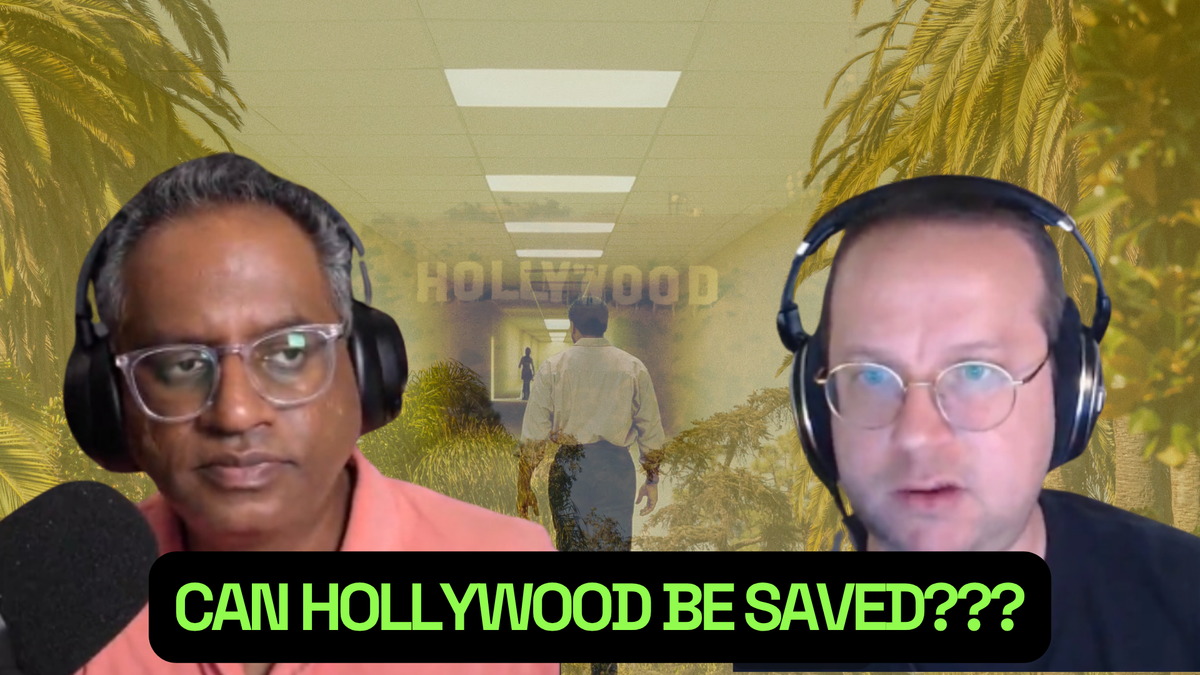
To make sense of this moment, 404 Media's Emanuel Maiberg sat down with Devindra Hardawar, senior editor at Engadget and co-host of The Filmcast, a podcast about film that Maiberg has listened to for 15 years. Hardawar lives at the intersection of the movie industry and artificial intelligence, making him the perfect guide to understand both the AI disruption and the broader state of cinema.

AI in Hollywood: Threat or Tool?
Hardawar explains that AI is already reshaping how movies are made, from script analysis to visual effects. But the real story isn't about robots replacing directors—it's about how AI lowers the barrier to entry. Independent filmmakers can now use AI tools to create effects that once required a studio budget. That's part of why low-budget horror films can compete with Star Wars. They're lean, agile, and unburdened by the legacy costs of a studio system.
However, Hardawar warns that AI also poses risks. Studios could use AI to devalue creative labor, generating endless content without fair compensation for writers, actors, and crew. The ongoing strikes and labor tensions in Hollywood are a direct response to this threat. The industry is at a crossroads: embrace AI as a collaborator or use it as a cudgel against workers.
The Streaming Bubble and the Death of the Middle
The conversation pivots to streaming. Hardawar notes that the streaming wars have created a paradox: more content than ever, but less attention for any single film. The algorithm rewards the familiar—sequels, reboots, franchises—while original mid-budget movies get squeezed. This is why a Star Wars film can flop: audiences are fatigued by the same old formulas. Meanwhile, horror thrives because it offers genuine novelty and emotional engagement at a lower cost.
Hardawar suggests that the solution isn't to abandon big movies but to rediscover the value of curation. In an age of infinite scroll, people need guides—critics, podcasters, friends—to help them find what matters. That's where shows like The Filmcast and outlets like 404 Media come in. They bridge the gap between the firehose of content and the audience's desire for meaning.

Introducing Kids to Film in the Digital Age
Hardawar also shares personal insights on how to introduce children to cinema. He advocates for starting with classics that have strong storytelling and emotional resonance, rather than flashy CGI. The goal is to build a foundation of appreciation for craft, which AI can never replicate. He recommends watching movies together and discussing them, turning passive consumption into active engagement.
This approach counters the algorithmic feeding of content to kids. Instead of letting YouTube or Netflix decide, parents can curate a cinematic education that fosters critical thinking and empathy. Hardawar believes that the future of film depends on raising audiences who value artistry over spectacle.
The Path Forward
Hollywood isn't dying—it's being forced to evolve. The box office upset is a symptom of deeper shifts: the democratization of filmmaking through AI, the fragmentation of audiences, and the exhaustion of franchise fatigue. The winners will be those who adapt, whether they're indie horror directors or studios that rethink their relationship with technology and talent.
Hardawar's message is ultimately hopeful. The tools are changing, but the human need for stories remains. The key is to use AI to enhance creativity, not replace it. And for audiences, the best response is to seek out diverse voices and support the films that surprise us.
As for Star Wars? It'll survive. But the lesson is clear: no franchise is too big to fail, and no low-budget horror film is too small to win. That's the new reality of Hollywood.
This article is based on reporting by 404 Media. Read the original article.

Originally published on 404media.co