Commercial terms put connected content in focus
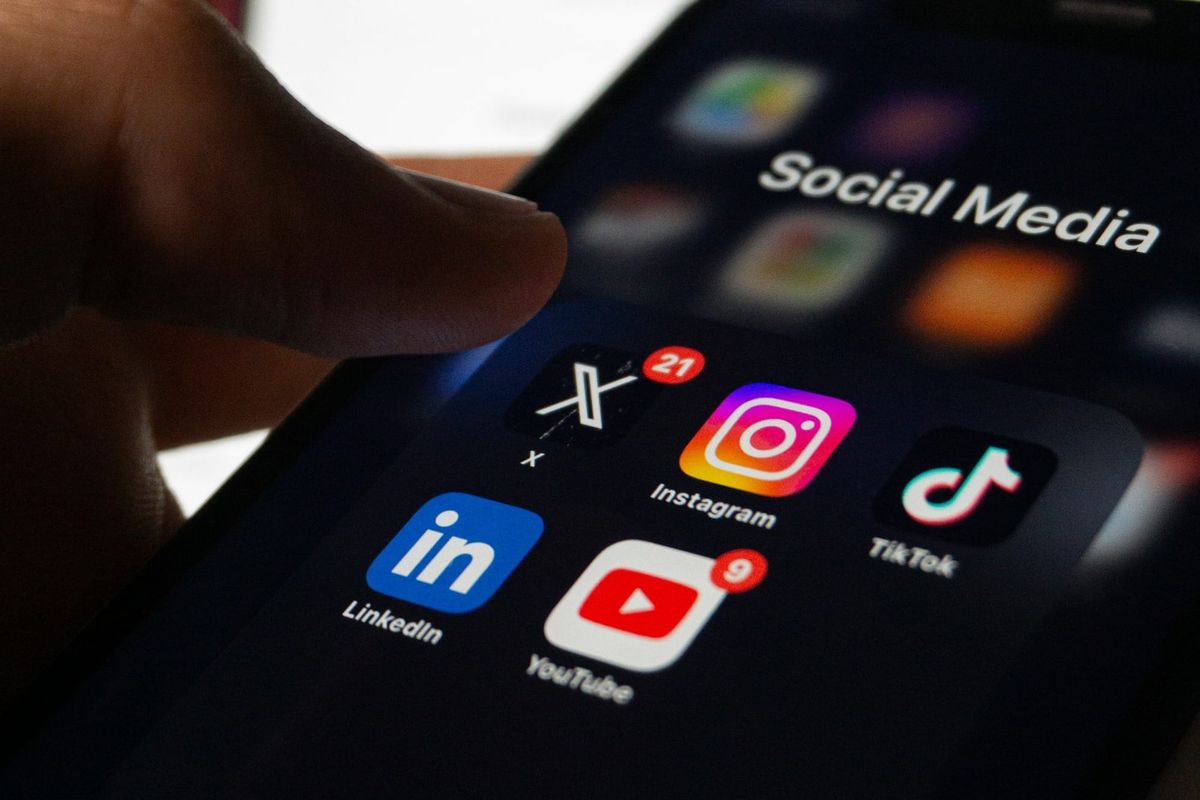
Meta has delayed the effective date of updated commercial terms for business accounts after a backlash from artists, journalists and small businesses using Facebook and Instagram. The disputed language concerned content from domains, webpages and URLs connected to those accounts, and the ways Meta could use that material in connection with its products.
According to the report, the update had initially been due to take effect on October 30. Meta subsequently changed the date to November 20. The delay followed criticism from users who were concerned that content associated with their business accounts, including content on linked websites, could be used to develop Meta products and train artificial intelligence systems.
The issue is a reminder that platform terms can affect material beyond what a person posts directly inside a social network. When a business account is connected to a website or other online presence, contract language about linked domains and URLs can create questions about the scope of a platform's access and permitted uses.
What changed in the wording
The report says Meta's revised commercial terms initially allowed the company to use content from such domains, webpages or URLs to provide, develop, improve, research, train and maintain the integrity of Meta's products. That language prompted alarm among people who rely on Meta services to promote creative work, report news, or run small businesses.
After the backlash, Meta removed the word “train” from the list of stated uses, according to the report, and narrowed the described uses to advertising and business products, where the earlier wording had referred to Meta products more broadly. Even with that change, the report argues that the terms still leave Meta considerable room to scrape users' data to develop its products.
The distinction matters because wording changes can alter how users interpret the company’s rights without eliminating all concern about data collection or product development. The available source text does not establish how Meta would apply the terms in every situation. It does show that the original phrasing, the subsequent revision and the new effective date became a point of public dispute.
Why creators and businesses objected
For artists, small businesses and journalists, online material is often both a public-facing portfolio and an economic asset. Images, text, product information and reporting may be posted or linked to reach audiences, but their reuse for system development can raise separate questions about consent, control and value.
The concern described in the report was not limited to a particular kind of post. It centered on the prospect that material from websites merely connected to Meta business accounts could be swept into the company’s permitted uses. That potential reach helps explain why the response extended beyond people who think of their work primarily as social-media content.
The controversy also arrived amid broader public attention to the use of publicly accessible online material in AI development. Terms-of-service updates can be technically dense, but they can have practical consequences for people who use platforms as essential channels for communication, marketing and distribution.
EU and UK users can object
The report says users in the European Union and United Kingdom may currently submit an objection to the use of their data through Instagram's privacy controls. On mobile, users can open the menu from their account, go to the privacy center and select an option to object. The resulting form asks the user to explain why they are objecting.
Several UK- and EU-based users reported receiving email confirmation from Meta that their objections had been approved. That process is presented in the source as an available route for those regions, not as a universal setting for every user or every type of account.
People considering an objection should review the current terms and privacy controls that apply to their own account, since platform settings and legal notices can change. They should also distinguish between an objection process and a broader conclusion about what content is covered by a commercial account agreement.

A policy change still in motion
Meta's decision to postpone the date gives affected users more time to examine the terms, while the edit to the wording shows that public scrutiny can influence how a company explains data use. It does not resolve the underlying debate about the appropriate boundaries for using online content to build or improve technology products.
For businesses and creators, the immediate lesson is straightforward: account connections and commercial terms deserve the same attention as publishing settings. The dispute illustrates how a change buried in a platform agreement can quickly become consequential when it touches the relationship between publicly shared work, linked websites and AI development.
This article is based on reporting by 404 Media. Read the original article.
Originally published on 404media.co