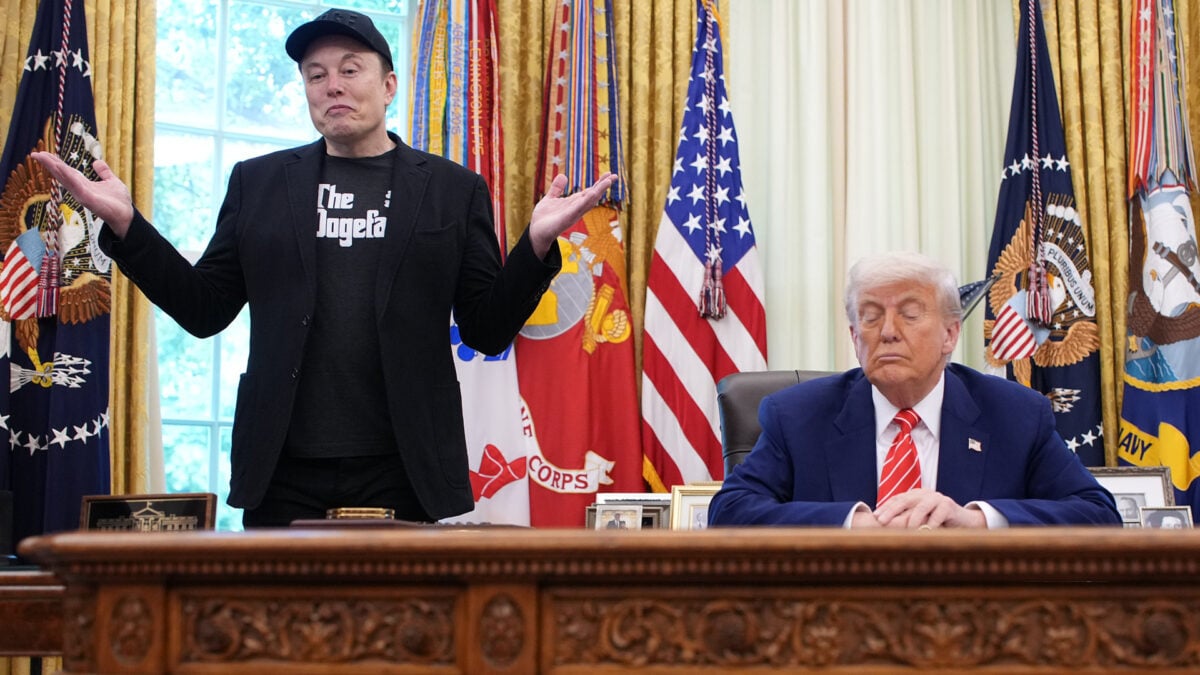
An environmental lawsuit becomes an AI infrastructure fight
The U.S. Department of Justice has moved to intervene in a lawsuit brought by the NAACP against Elon Musk’s xAI and subsidiary MZX Tech, according to the supplied Gizmodo text. The suit concerns the alleged operation of methane gas turbines near Memphis without an air permit, but the federal government’s argument reframes the dispute in much broader terms. Rather than treating the case as a straightforward environmental enforcement matter, the DOJ is casting xAI’s operations as strategically important to American national, economic, and energy security.
That shift is the real story. The underlying complaint, filed in April by the NAACP, alleges that xAI unlawfully operated 27 methane gas turbines powering the Colossus 2 data center and asks the court to declare those actions in violation of the Clean Air Act, stop the unpermitted turbine operations, require best available control technology, and impose financial penalties. The source text adds that the Memphis region already struggles with some of the nation’s worst asthma rates and that the turbines emit smog-forming pollution, fine particulate matter, carbon monoxide, and formaldehyde.
In the weeks after the lawsuit was filed, the NAACP says xAI expanded further. Gizmodo reports that the number of turbines had reportedly climbed to 57 by mid-May, prompting the group to seek injunctive relief to halt operations pending a decision. Against that background, the DOJ’s intervention is notable not only for siding with the company, but for the reasoning it used. The government argued that attempts to stop the turbines threaten AI innovation tied to military operations and described Grok as one of only a few proprietary frontier models capable of supporting mission-critical work across Secret and Top-Secret classified networks.
That position says a great deal about the emerging politics of AI infrastructure. Until recently, debates about large AI systems centered mostly on model capability, market competition, and content risk. Increasingly, they also hinge on physical inputs: electricity, water, permitting, air quality, and local community costs. Training and serving frontier AI models requires immense computing infrastructure. When that infrastructure collides with environmental law or neighborhood health concerns, governments must decide which interest gets priority. In this case, the federal government appears willing to argue that a strategically useful AI provider deserves extraordinary deference.
The implications extend beyond xAI. If data-center power systems can be defended as national security assets, future disputes over emissions, siting, and grid access may become harder for local challengers to win. That would mark a major escalation in how AI is governed. The industry would no longer be treated only as a fast-growing technology sector, but as a protected strategic base whose infrastructure demands can override ordinary objections.
At the same time, the source text makes clear why critics are alarmed. The NAACP’s case is rooted in local pollution burdens and the claim that the turbines were operating without the required permit. That is not a symbolic complaint. It is a challenge to whether AI buildout can proceed by bypassing environmental rules in vulnerable communities. The federal government’s intervention therefore risks sending a message that the race for AI capacity can outrank standard public-health protections.
That tension is likely to define many of the next major AI conflicts. The question is no longer just who builds the best model. It is who gets the power, land, permits, and legal protection needed to run one at scale. In Memphis, that abstract question has become immediate, and the government has now signaled which side it considers strategically essential.
This article is based on reporting by Gizmodo. Read the original article.
Originally published on gizmodo.com


