
Digital ID Comes of Age as Biometric Age Checks Reach the Bar
Younger drinkers in England and Wales will be able to prove their age using a digital ID from this week, after new legislation gave pubs, off-licences, nightclubs and restaurants the right to use biometric scanning technology to verify that customers are over 18. The shift represents one of the most visible consumer applications of digital identity in Britain to date, arriving not at a border desk or a bank counter but at the bar.
What the New Laws Allow
The rules coming into force this week let licensed venues across England and Wales accept a digital credential stored on a customer's own phone as valid proof of age. The types of business covered reach across the night-time economy:
- Pubs and bars
- Off-licences
- Nightclubs
- Restaurants
The stated purpose is to streamline age checks and make them less intrusive, while keeping the legal age limit for alcohol sales firmly in place.

How the Face-Scanning Apps Work
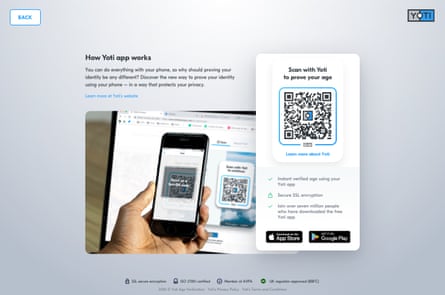
Customers download software onto their own device. The app scans their face and uses that scan to generate a QR code proving their age, based on a stored proof of age that has already been established. Rather than showing a document to staff, the drinker presents a credential that confirms only what the venue actually needs to know.
A key safeguard is timing. In a typical setup, only around 30 seconds separate the face scan on the customer's phone from the moment the credential is validated with the retailer. That narrow window is intended to prevent underage drinkers from borrowing an older friend's phone in order to get served.
Vein Scanning Waiting in the Wings
Other technology is under consideration as part of the government's broader push to digitise age verification for alcohol sales. One candidate device would scan the veins in a drinker's finger to confirm their age. That system has not yet been approved for use, meaning facial scanning remains the method currently in play.
Plastic ID Is Not Going Anywhere
Perhaps the most important detail for drinkers and door staff alike is that none of this is compulsory. Driving licences and passports will still be accepted at pubs and bars, and the digital credentials on offer are being provided by private companies rather than by the state.
That voluntary design has consequences. Because old-style plastic ID remains perfectly valid, the reform may not spell the end of fake IDs, which will continue to have a market wherever venues accept a physical document.

A Striking Political Contrast
The alcohol scheme lands in a complicated political moment. Andy Burnham axed plans for a national digital ID this summer, amid a wave of concern about the implications for civil liberties, in what was described as a reset of priorities. The outcome is a curious split: while a centralised, government-issued identity scheme was shelved, a privately supplied and entirely optional alternative is now extending into everyday social life.
The Privacy and Fraud Argument
Ministers frame the change as a win on two fronts. Digital government minister Stephanie Peacock said: "This groundbreaking change in the law will mean you do not need to carry a physical ID, nor hand over sensitive personal information such as your name or address just to prove your age - allowing everyone to feel safer on a night out."
Behind that claim are two problems the government believes digital credentials address. The first is fraud: a credential generated from a verified proof of age is harder to counterfeit than a plastic card. The second is data exposure. Handing a passport or driving licence to bar staff reveals a name and home address, information a stranger at a busy venue has no need to see.

Who Supplies the Technology
Several companies are supplying the apps, including Yoti and Luciditi. Venues will not all face identical arrangements, and in some cases the systems cost retailers money to operate - a practical consideration for an industry with thin margins.
Allen Simpson, chief executive of UK Hospitality, said the trade body would work to ensure the arrangements function for operators as the rollout proceeds.
What Could Come Next
Alcohol is being treated as a first step rather than an endpoint. The digitised verification approach could later be extended to purchases of vapes and tobacco, broadening the reach of biometric age checks well beyond the pub trade. If that happens, the question of how identity is proven in daily life will move from an abstract policy debate into a routine transaction.
For now, the practical position for venues is straightforward: accept the digital credential where it works, keep accepting plastic, and remember that the 30-second validation window exists for a reason.
The Bigger Picture
The arrival of digital ID in pubs and bars is a reminder that identity technology rarely lands through a single dramatic national scheme. More often it enters through narrow, voluntary, sector-by-sector use cases - a club queue, a supermarket till - until the habit of proving who you are with a phone becomes unremarkable.
- Digital age checks are now legally usable in pubs, bars, off-licences, nightclubs and restaurants in England and Wales.
- The credential is generated on the customer's own phone from a stored proof of age, with roughly 30 seconds to validate it.
- Finger-vein scanning is under consideration but has not been approved.
- Plastic driving licences and passports remain valid, and the system is not mandatory.
- Apps are supplied by private firms including Yoti and Luciditi, and may cost retailers to run.
- Ministers argue the approach cuts both fraudulent ID and unnecessary sharing of personal data.
This article is based on reporting by The Guardian. Read the original article.
Originally published on theguardian.com


_.png)

