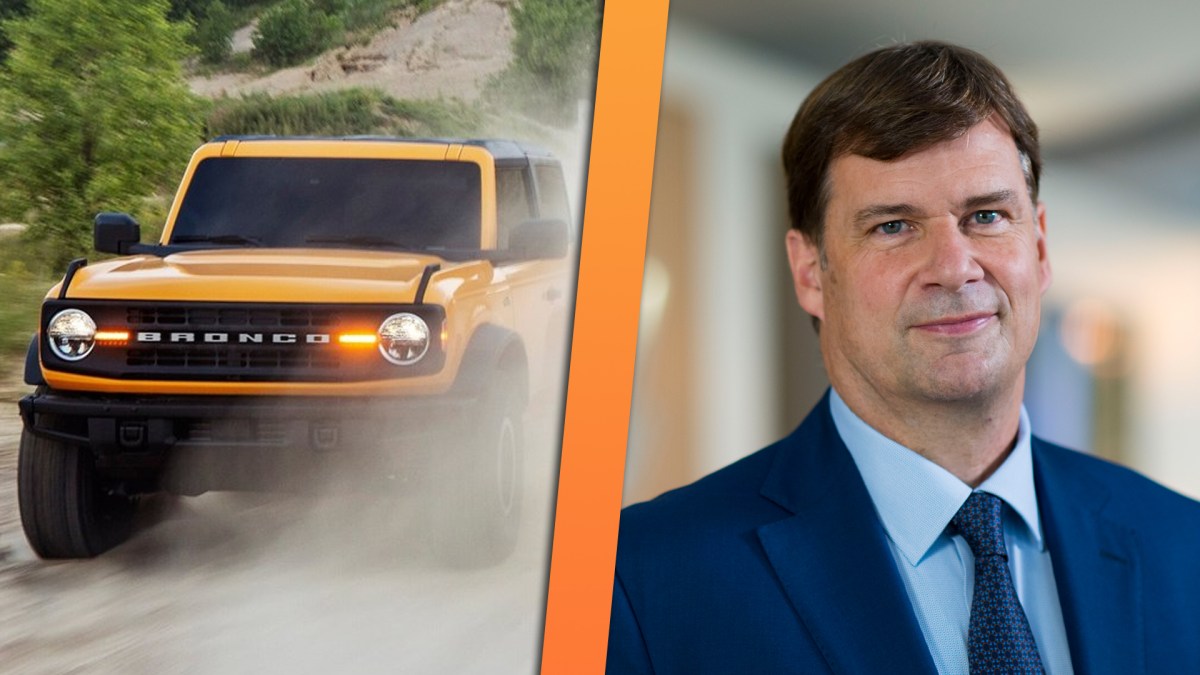
ফোর্ডের মন্তব্যে রাইট-টু-রিপেয়ার আবারও আলোচনার কেন্দ্রে
ফোর্ডের সিইও জিম ফারলির সাম্প্রতিক মন্তব্য গাড়ি মেরামতের অধিকার বা ‘রাইট টু রিপেয়ার’ নিয়ে দীর্ঘদিনের লড়াইকে আরও উসকে দিয়েছে। The Drive-এ তুলে ধরা বক্তব্যে ফারলি বলেন, ফোর্ড যুক্তিসংগত খরচে গাড়ি মেরামতের সক্ষমতাকে সমর্থন করে, তবে ক্রমশ জটিল হয়ে ওঠা আধুনিক গাড়িতে নিজে নিজে মেরামতের ব্যাপারে অস্বস্তির ইঙ্গিতও দেন।
এই বিতর্ককে প্রায়ই এমন প্রশ্ন হিসেবে উপস্থাপন করা হয় যে মালিকদের কি নিজেদের গাড়ি নিজেরাই ঠিক করার সুযোগ থাকা উচিত। কিন্তু বড় প্রশ্নটি সাধারণত প্রবেশাধিকার নিয়ে: স্বাধীন মেরামত দোকানগুলো কি প্রতিযোগিতার জন্য প্রয়োজনীয় সরঞ্জাম, তথ্য এবং অনুমতি পাবে, নাকি এই কাজের আরও বড় অংশ নির্মাতা ও ফ্র্যাঞ্চাইজড ডিলারদের দিকে ঠেলে দেওয়া হবে?
ফারলি কী বলেছিলেন
প্রদত্ত উৎসপাঠ অনুযায়ী, প্রেসিডেন্ট ডোনাল্ড ট্রাম্প ও ফোর্ড এবং জিএম-এর অটো নির্বাহীদের নিয়ে হোয়াইট হাউসে রাইট টু রিপেয়ার নিয়ে আলোচনার কিছুক্ষণের মধ্যেই এই মন্তব্য আসে। পরে ফারলি Detroit Free Press-কে বলেন, ফোর্ডের অবস্থান ছিল “খুবই যুক্তিসংগত” এবং কোম্পানি যুক্তিসংগত খরচে একটি গাড়ি মেরামতের সক্ষমতাকে সমর্থন করে।
ফোর্ড কি মানুষকে নিজেদের গাড়ি নিজেরাই মেরামত করতে দেখতে চায় কি না, এমন প্রশ্নের জবাবে ফারলি বলেন, “না, সেটা, সেটা ঠিক আছে, ওয়ারেন্টি কাজের জন্য নয়,” এবং এরপর তিনি নতুন গাড়ির জটিলতার দিকে ইঙ্গিত করেন। উৎসটি এই জবাবকে এমন বৃহত্তর যুক্তির অংশ হিসেবে তুলে ধরে যে যানবাহন আরও বেশি সফটওয়্যারনির্ভর, ইলেকট্রনিকভাবে ঘন এবং বিশেষায়িত টুলের ওপর নির্ভরশীল হয়ে উঠলে অটোমেকাররা সার্ভিসের ওপর আরও কঠোর নিয়ন্ত্রণ বজায় রাখতে চাইতে পারে।
কেন স্বাধীন মেরামত দোকান গুরুত্বপূর্ণ
সবচেয়ে গুরুত্বপূর্ণ বিষয়টি হলো, রাইট টু রিপেয়ার শুধু শখের মেকানিকদের বিষয় নয়। এই লড়াইয়ের আসল অর্থনৈতিক কেন্দ্র হলো স্বাধীন মেকানিকরা। যন্ত্রাংশ, ডায়াগনস্টিকস, ফার্মওয়্যার এবং মেরামতের পদ্ধতিতে প্রবেশাধিকার সীমিত হলে, ভোক্তার মালিকানার অধিকার আনুষ্ঠানিকভাবে বহাল থাকলেও ছোট দোকানগুলো চাপের মুখে পড়তে পারে। এর ফলে সেবা-সুবিধার বিকল্প কমে যাবে এবং ডিলার নেটওয়ার্ক ও নির্মাতা-নিয়ন্ত্রিত চ্যানেলগুলোর মূল্য-নির্ধারণী ক্ষমতা আরও বাড়বে।
এটি গুরুত্বপূর্ণ, কারণ গাড়ি কেনার অনেক পরে পর্যন্ত মেরামত বাজার মোট মালিকানা ব্যয় নির্ধারণ করে। শ্রমের খরচ বাড়লে এবং বিকল্প কমে গেলে সেই চাপ গিয়ে পড়ে সাধারণ মালিক, ফ্লিট অপারেটর এবং তৃতীয় পক্ষের মেরামত ব্যবস্থার ওপর নির্ভরশীল স্থানীয় ব্যবসার ওপর।
নীতিগত লড়াইয়ের পেছনের সফটওয়্যার সমস্যা
ফারলির মন্তব্য বাস্তব প্রযুক্তিগত পরিবর্তনকেই প্রতিফলিত করে। গাড়ি এখন আগের তুলনায় বেশি জটিল, এবং অনেক মেরামতেই সফটওয়্যার ক্যালিব্রেশন, নেটওয়ার্কযুক্ত কম্পোনেন্ট, ড্রাইভার-সহায়তা সিস্টেম, এবং ব্যাটারি বা পাওয়ার-ইলেকট্রনিকস নিরাপত্তা প্রক্রিয়া জড়িত। পুরোনো গাড়ির কোনো যান্ত্রিক অংশ বদলানোর তুলনায় আধুনিক মেরামতের ঝুঁকি বেশি হতে পারে, এটা বলায় অটোমেকাররা ভুলও নয়।
তবে জটিলতা স্বয়ংক্রিয়ভাবে একচেটিয়াতা ন্যায্যতা দেয় না। অনেক শিল্পেই জটিলতার জবাব হয় নিয়ন্ত্রিত প্রবেশাধিকার, নথিপত্র, সার্টিফিকেশন পথ এবং নিরাপত্তা মানদণ্ড, মেরামতের কাজ কে করতে পারবে তার স্থায়ী সংকোচন নয়। এ কারণেই “নিরাপদ মেরামত” এবং “সীমাবদ্ধ মেরামত”-এর পার্থক্য নীতিগত বিতর্কে এত গুরুত্বপূর্ণ।
কেন এই ইস্যু আরও জরুরি হয়ে উঠছে
গাড়িতে সফটওয়্যার, ওভার-দ্য-এয়ার আপডেট, সংযোগ ফিচার এবং মালিকানাধীন সিস্টেম যত বাড়ছে, রাইট টু রিপেয়ার প্রশ্নটি প্রতিযোগিতা নীতির সঙ্গে তত বেশি জড়িয়ে পড়ছে। যে নির্মাতা ডায়াগনস্টিকস, যন্ত্রাংশ সরবরাহ শৃঙ্খল, সফটওয়্যার প্রবেশাধিকার এবং ওয়ারেন্টির সীমানা নিয়ন্ত্রণ করে, সে শুধু গাড়িটি কীভাবে মেরামত হবে তা-ই নয়, অর্থনৈতিকভাবে কে মেরামত করতে পারবে তাও প্রভাবিত করতে পারে।
উৎসপাঠে সতর্ক করা হয়েছে, যদি অটোমেকারদের মেরামতের ওপর আরও আক্রমণাত্মকভাবে দেয়াল তুলে দেওয়ার সুযোগ দেওয়া হয়, তাহলে স্বাধীন দোকানগুলো প্রান্তিক হয়ে পড়তে পারে এবং ভোক্তারা ডিলারশিপকেই একমাত্র কার্যকর সেবার পথ হিসেবে পেতে পারেন। সেই ফলাফল বাস্তবায়িত হবে কি না, তা আংশিকভাবে আইন, প্রয়োগ এবং নিয়ন্ত্রকেরা ন্যায্য প্রবেশাধিকার কীভাবে সংজ্ঞায়িত করেন তার ওপর নির্ভর করবে।
এরপর কী হতে পারে
ফারলির মন্তব্যের তাৎক্ষণিক প্রভাব আইনি নয়, রাজনৈতিক। এগুলো একটি বড় অটোমেকার এই ইস্যুকে কীভাবে ব্যাখ্যা করছে সে বিষয়ে আরও স্পষ্ট প্রকাশ্য সংকেত দেয়, এমন এক সময়ে যখন রাইট টু রিপেয়ার নীতি এখনো অনিষ্পন্ন। ওই সংকেত আইনপ্রণেতা, শিল্পগোষ্ঠী এবং মেরামত-অধিকার সমর্থকদের ঘনিষ্ঠভাবে নজরে রাখার সম্ভাবনা রয়েছে।
গভীর প্রশ্নটি হলো, অটোমেকাররা কি যানবাহনের জটিলতা-সংক্রান্ত বৈধ উদ্বেগকে ব্যবহার করে পরবর্তী সেবার ওপর আরও নিয়ন্ত্রণ আরোপ করতে পারে। বিতর্কটি সেদিকেই এগোচ্ছে। আর সে কারণেই সিইওর সংক্ষিপ্ত একটি কথোপকথনও গুরুত্বপূর্ণ হতে পারে: এটি দেখায়, তারা কী ধরনের অনুমানকে সামনে রেখে পরবর্তী নীতির ধাপ নির্ধারণ করতে পারে, যেখানে শেষ পর্যন্ত ঠিক হয় কে সেই গাড়ি মেরামত করতে পারবে, যেটি সে নিজেই কিনেছে।
এই নিবন্ধটি The Drive-এর প্রতিবেদনের ভিত্তিতে লেখা। মূল নিবন্ধটি পড়ুন.
Originally published on thedrive.com