When the Battery Dies, So Does Everything Else
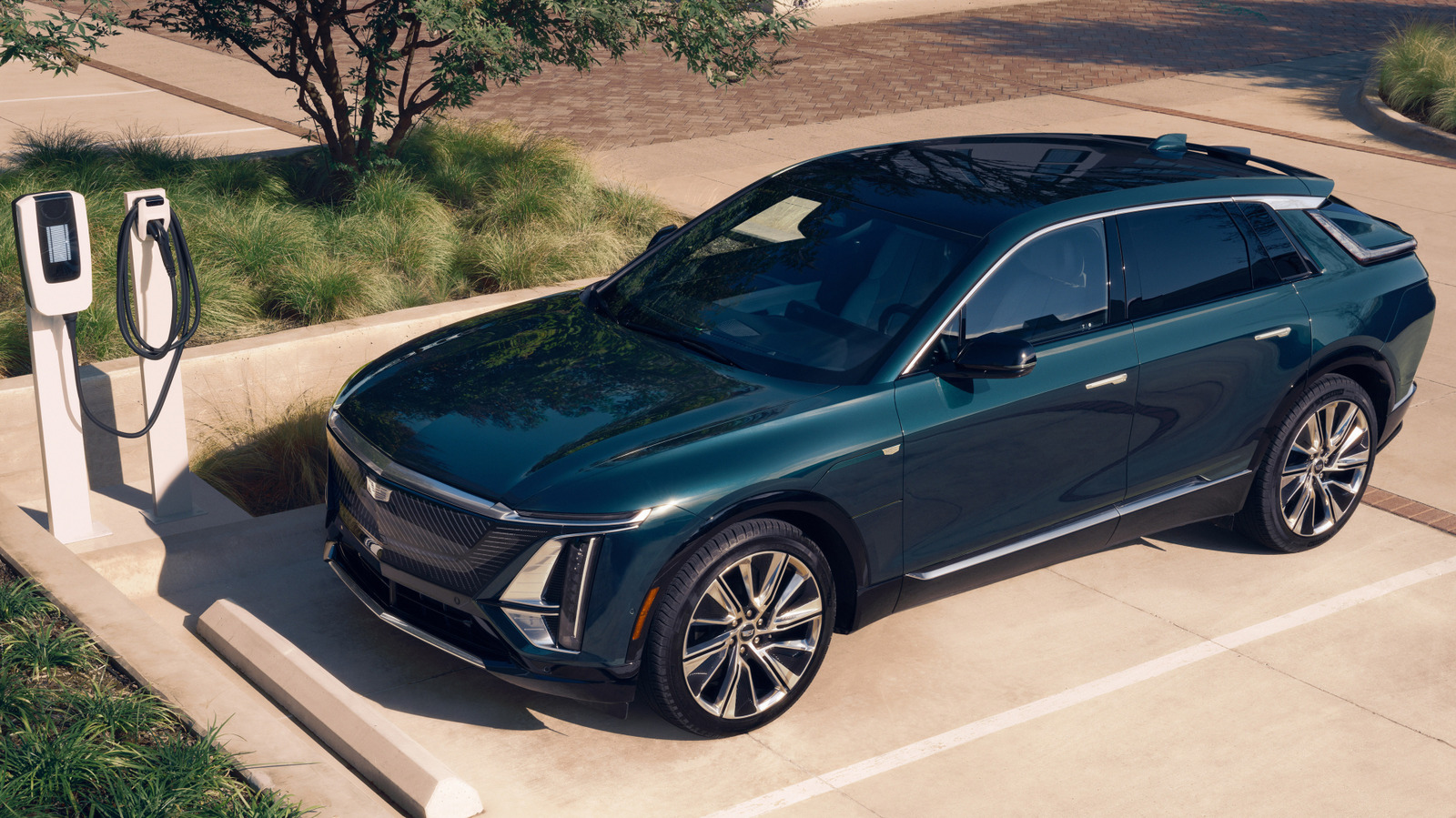
An incident involving a Cadillac Lyriq electric vehicle has highlighted a potential safety gap in modern EV design that is receiving renewed scrutiny. When the Lyriq's battery discharged completely, the vehicle's electrical systems went offline—including the electronic door locks—leaving a baby stranded inside the car until emergency responders were able to access the vehicle. The incident raises questions about how EVs should be designed to maintain critical safety functions even when the traction battery is fully depleted.
The Difference Between EVs and Traditional Cars in a Dead-Battery Scenario
Internal combustion vehicles have a clear hierarchy of electrical systems. The 12-volt auxiliary battery handles door locks, windows, and interior electronics, and is completely separate from the engine's cranking function. A car with a dead starter battery can still have its doors unlocked manually via a physical key or by jumping the 12-volt battery. Even if both the engine and the auxiliary battery fail simultaneously—an extraordinarily rare scenario—most traditional vehicles have mechanical door lock overrides accessible from inside the cabin.
Electric vehicles complicate this architecture. While many EVs do include a small 12-volt auxiliary battery for low-voltage systems, the relationship between the traction battery and auxiliary systems varies significantly across manufacturers and models. In some configurations, a completely depleted traction battery can take the auxiliary battery offline with it, or prevent it from being charged. The result is a vehicle where every electrical system—including door locks—becomes unresponsive simultaneously.
The Lyriq Incident
In the Cadillac Lyriq case, the vehicle had been left with insufficient charge and the traction battery discharged completely. When the owner returned to find the baby inside, the door locks were unresponsive to both the key fob and the door handle sensors. Physical access required emergency responders to use tools to gain entry rather than simply unlocking the vehicle through any available means. The incident was resolved safely, but the scenario illustrates a failure mode that traditional vehicles are largely immune to.
Cadillac's parent company General Motors has not issued a public statement about whether a software update or design change is being considered in response to the incident. The Lyriq is not the first EV to face scrutiny over dead-battery access scenarios—similar concerns have been raised about other EVs from multiple manufacturers, though serious incidents remain uncommon given the rarity of complete traction battery depletion in normal use.
Industry Standards and the Design Challenge
Federal Motor Vehicle Safety Standards require that passenger vehicles provide occupant egress capability under specified conditions, but the specific requirements were written with internal combustion vehicles in mind and do not comprehensively address the scenarios created by traction battery depletion in EVs. The National Highway Traffic Safety Administration has been monitoring EV-specific safety concerns but has not issued specific standards addressing complete electrical system failure scenarios.
From a design standpoint, the solution appears straightforward: EVs should maintain mechanical door unlocking mechanisms that function without any electrical power, or should maintain a minimal electrical reserve specifically for safety-critical functions regardless of traction battery state. Several EV manufacturers have implemented such measures, but implementation varies widely across the industry.
The Broader Context of EV Reliability Perception
This incident feeds into a broader public conversation about EV reliability and edge-case behavior that is important for the industry to address proactively. Consumer confidence in electric vehicles has grown substantially as adoption has expanded, but incidents that highlight unfamiliar failure modes—even when they are rare—receive outsized attention and can disproportionately affect public perception. The EV industry's long-term success depends not just on normal-operation performance but on maintaining safety and accessibility across the full range of failure conditions that vehicles encounter over their lifetimes.
This article is based on reporting by Jalopnik. Read the original article.
Originally published on jalopnik.com