অপরিচ্ছন্ন নয়, কিন্তু আশ্চর্যজনকভাবে স্লিপারি এক গ্যালাক্সি
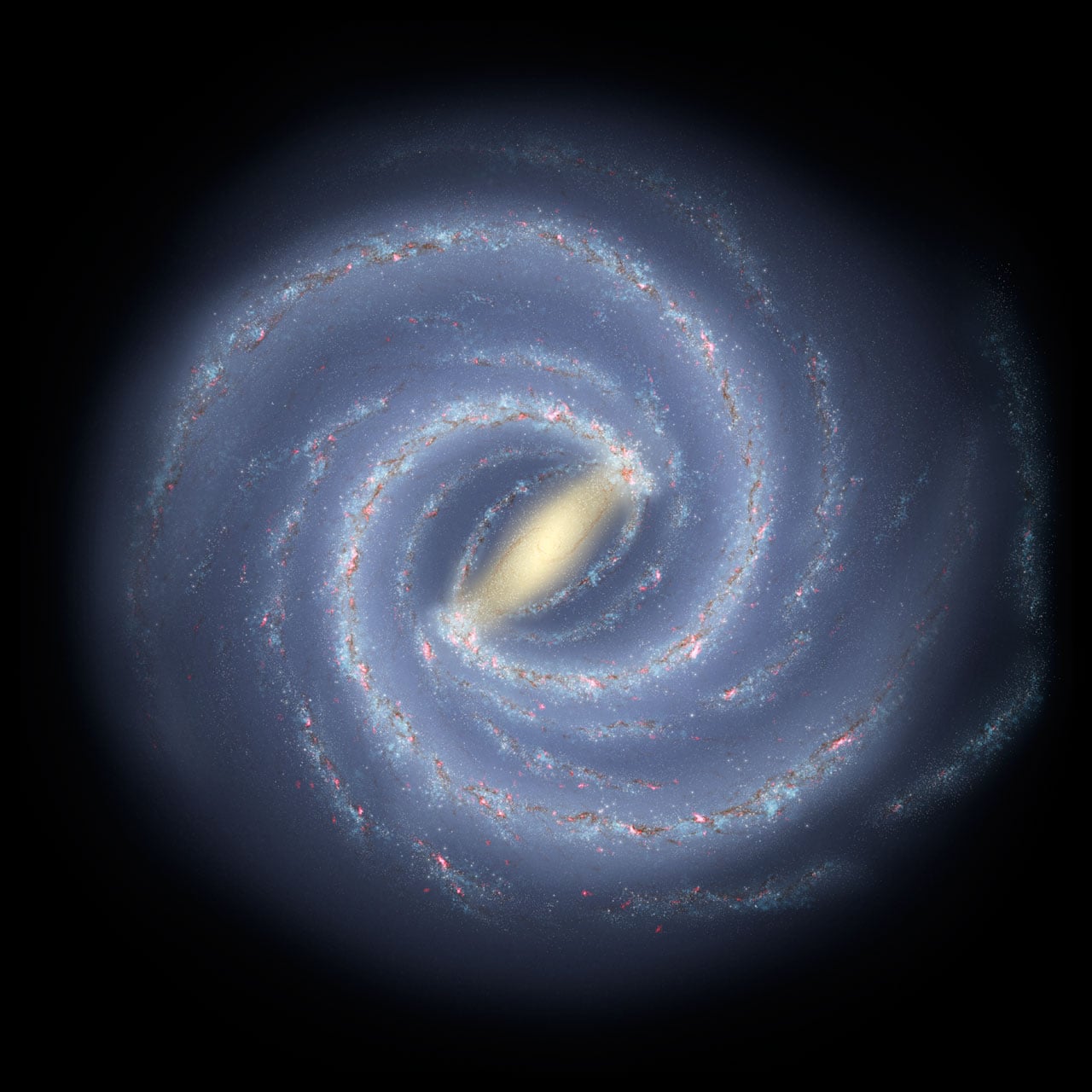
মিল্কি ওয়ে কোথায় শেষ হয়? প্রশ্নটি সহজ মনে হলেও উত্তরটি আশ্চর্যজনকভাবে কঠিন। আমরা যেহেতু গ্যালাক্সির ভেতরেই থাকি, তাই অন্য সর্পিল গ্যালাক্সিগুলো অধ্যয়নের সময় জ্যোতির্বিজ্ঞানীরা যে সহজ বাইরের দৃশ্য পান, তা আমরা পাই না। আরও গুরুত্বপূর্ণ হলো, একটি গ্যালাক্সি সাধারণত হঠাৎ করে একটি তীক্ষ্ণ সীমায় থামে না। দূরত্ব বাড়ার সঙ্গে সঙ্গে তার নক্ষত্রগুলো শুধু আরও ছড়িয়ে পড়ে, তাই “প্রান্ত” যতটা না পরিমাপের, তার চেয়ে বেশি সংজ্ঞার সমস্যা।
Universe Today যে নতুন গবেষণাটি তুলে ধরেছে, তা বাইরের দিকের বিচ্ছিন্ন নক্ষত্র নয়, বরং মিল্কি ওয়ের তারকা-গঠন ডিস্কের সীমানার ওপর জোর দিয়ে আরও পরিষ্কার উত্তর প্রস্তাব করেছে। ওই কাঠামোতে গবেষকেরা প্রান্তটিকে গ্যালাক্টিক কেন্দ্র থেকে 11.28 থেকে 12.15 কিলোপারসেক দূরে, অর্থাৎ প্রায় ৪০,০০০ আলোকবর্ষ দূরে স্থাপন করেছেন।
এই ফলাফলটি এমন নয় যে ওই সীমার বাইরে নক্ষত্র নেই। বরং এটি আরও নির্দিষ্ট ও কার্যকর একটি কথা বলে: ওই ব্যাসার্ধের বাইরে মিল্কি ওয়ের প্রধান তারকা-গঠন কাঠামো ক্রমশ এমন এক জনসংখ্যার হাতে চলে যায়, যা অব্যাহত স্থানীয় জন্মের চেয়ে স্থানান্তর বা মাইগ্রেশনের দ্বারা বেশি প্রভাবিত।
সমস্যাটি দলটি কীভাবে এগিয়েছিল
গবেষকেরা APOGEE-DR17, LAMOST-DR3 এবং Gaia-এর তথ্য ব্যবহার করে ১০০,০০০-এরও বেশি দানবাকার নক্ষত্রের বয়স নির্ণয় করেছেন। দৃশ্যমান প্রান্ত সরাসরি চিহ্নিত করার বদলে তাঁরা গ্যালাক্টিক কেন্দ্র থেকে দূরত্ব এবং নক্ষত্রের বয়সের মধ্যে একটি সম্পর্ক খুঁজেছেন।
তাঁরা একটি U-আকৃতির সম্পর্ক পেয়েছেন। কেন্দ্রের কাছাকাছি নক্ষত্রগুলো তুলনামূলকভাবে বয়স্ক। বাইরে যেতে যেতে একটি নির্দিষ্ট বিন্দু পর্যন্ত নক্ষত্রগুলো ক্রমশ তরুণ হয়। সেই বিন্দুর পরে প্রবণতা উল্টে যায় এবং নক্ষত্রগুলো আবার বয়স্ক হতে শুরু করে। ওই U-এর তলানিকেই দলটি মিল্কি ওয়ের তারকা-গঠন ডিস্কের শেষ বলে ব্যাখ্যা করছে।
এটি একটি বুদ্ধিদীপ্ত পদ্ধতি, কারণ এটি অস্পষ্ট উজ্জ্বলতার কাটঅফকে জনসংখ্যাভিত্তিক সংজ্ঞায় রূপ দেয়। “প্রান্ত” আর কেবল এমন জায়গা নয়, যেখানে পদার্থ নিছকই কম ঘন হয়ে যায়। এটি সেই জায়গা, যেখানে গ্যালাক্সি তার প্রধান ডিস্ক কাঠামোর অংশ হিসেবে নক্ষত্র তৈরি করা বন্ধ করে বলে মনে হয়।

U-আকৃতিটি কেন পদার্থবিজ্ঞানের সঙ্গে মানানসই
এই ধাঁচের পেছনের যুক্তি গ্যালাক্সিগুলো সময়ের সঙ্গে কীভাবে নিজেদের গড়ে তোলে, তার সঙ্গে সম্পর্কিত। মিল্কি ওয়ের ভেতরের অংশে গ্যাস ও ধূলিকণা আগে থেকেই বেশি ঘন ছিল, ফলে তারকা-গঠন দ্রুত শুরু হয় এবং আরও তীব্রভাবে এগোয়। তাই কেন্দ্রের কাছাকাছি বয়স্ক নক্ষত্রের জনসংখ্যা থেকে যায়।
আরও বাইরে গ্যাস ও ধূলিকণা বেশি ছড়ানো, তাই তারকা-গঠনের জন্য প্রয়োজনীয় পরিস্থিতি তৈরি হতে বেশি সময় লাগে। ফলে দূরত্ব বাড়ার সঙ্গে সঙ্গে ডিস্কের বড় অংশে অপেক্ষাকৃত তরুণ নক্ষত্র তৈরি হয়। কিন্তু তারকা-গঠন প্রান্তের বাইরে ব্যাখ্যাটা বদলে যায়। সেখানে নক্ষত্রগুলো মূলত চলমান স্থানীয় গঠনের ফল নয়। বরং গবেষণাটি বলছে, তারা ডিস্কের ভেতরে তৈরি হয়ে পরে বাইরে ঠেলে দেওয়া স্থানান্তরকারী বস্তু।
পেপারটি এই মাইগ্রেশনের দুটি প্রধান চালক উল্লেখ করেছে:
- সর্পিল বাহুর মহাকর্ষীয় বল
- মিল্কি ওয়ের কেন্দ্রীয় বারের সঙ্গে পারস্পরিক ক্রিয়া
এই প্রক্রিয়াগুলো সক্রিয় তারকা-গঠন অঞ্চল পেরিয়ে নক্ষত্রদের কার্যত ছুড়ে ফেলতে পারে, ফলে বাইরের অঞ্চলে এমন বয়স্ক বস্তু জমা হয়, যেগুলো আর সহজ “দূরে মানেই তরুণ” ধাঁচে মেলে না।
গ্যালাক্টিক ইতিহাসের জন্য কেন এটি গুরুত্বপূর্ণ
তারকা-গঠন ডিস্কের সীমানা নির্ধারণ কেবল মানচিত্র আঁকার অনুশীলন নয়। এটি জ্যোতির্বিজ্ঞানীদের সাহায্য করে মিল্কি ওয়ে কীভাবে গড়ে উঠেছে এবং নক্ষত্র তৈরির পর তারা কীভাবে সরে যায়, তা পুনর্গঠন করতে। একটি গ্যালাক্সি কোনো স্থির চাকা নয়। এটি একটি গতিশীল কাঠামো, যেখানে নক্ষত্ররা বিলিয়ন বছরের মধ্যে সরে যেতে পারে বা পুনর্বিতরণ হতে পারে।
এটি গুরুত্বপূর্ণ, কারণ একটি নক্ষত্রের বর্তমান অবস্থান তার উৎসের পুরো গল্প বলে না। বাইরের গ্যালাক্সির একটি বয়স্ক নক্ষত্র সেখানে আদৌ তৈরি নাও হয়ে থাকতে পারে। এটি মিল্কি ওয়ের কাঠামো দ্বারা চালিত দীর্ঘমেয়াদি অভ্যন্তরীণ মাইগ্রেশনের প্রমাণ হতে পারে। তাই সক্রিয় তারকা-গঠন ডিস্ক কোথায় শেষ হয়, তা নির্ধারণ করা জন্মস্থান আর পরবর্তী কক্ষপথগত ইতিহাসকে আলাদা করার আরও পরিষ্কার উপায় দেয়।
এই ফলাফল সর্পিল গ্যালাক্সিগুলোর ডিস্ক বিবর্তনের মডেল আরও সূক্ষ্ম করতেও সাহায্য করতে পারে। যদি জ্যোতির্বিজ্ঞানীরা অন্য জায়গাতেও একই ধরনের বয়সের প্যাটার্ন খুঁজে পান, তবে মিল্কি ওয়ে তারকা-গঠন ডিস্ক কীভাবে বাড়ে এবং বার ও সর্পিল বাহু সময়ের সঙ্গে নক্ষত্রদের কীভাবে পুনর্বিন্যাস করে, তা বোঝার জন্য একটি কার্যকর মানদণ্ড হতে পারে।

এক বিখ্যাত অস্পষ্ট প্রশ্নের আরও নির্ভুল উত্তর
সাধারণ আলোচনায় প্রায়ই গ্যালাক্টিক আকারকে একটি একক সংখ্যা হিসেবে ধরা হয়, কিন্তু জ্যোতির্বিজ্ঞানীরা “গ্যালাক্সি” বলতে কী বোঝেন, তার ওপর নির্ভর করে ভিন্ন সংজ্ঞা ব্যবহার করেন। আছে তারকীয় ডিস্ক, গ্যাস ডিস্ক, হালো, ডার্ক ম্যাটার, আর সেই অঞ্চলগুলো যেখানে নতুন নক্ষত্র এখনো জন্মাচ্ছে। এগুলোর প্রতিটিই ভিন্ন ভিন্ন কার্যকর প্রান্ত নির্দেশ করতে পারে।
এই কারণেই গবেষণাটি মূল্যবান, এমনকি যদি এটি সব সম্ভাব্য সংজ্ঞা নির্ধারণ না-ও করে। এটি প্রশ্নের একটি নির্দিষ্ট রূপের জন্য পদার্থবৈজ্ঞানিকভাবে অনুপ্রাণিত উত্তর দেয়: মিল্কি ওয়ের তারকা-গঠন ডিস্ক কোথায় শেষ হয়? নক্ষত্রের বয়স এবং একটি বড় বহু-সার্ভে ডেটাসেটের সঙ্গে সেই উত্তরকে যুক্ত করে গবেষকেরা এমন একটি সীমানা দিচ্ছেন, যা নিছক দৃশ্যমান অনুমানের চেয়ে বেশি অর্থবহ।
সিস্টেমের ভেতর থেকে দেখা
এই ফলাফল প্রতিধ্বনিত হয় কারণ এটি আমাদের মনে করিয়ে দেয় যে জ্যোতির্বিজ্ঞানে নিজেকে মাপা কতটা কঠিন। আমরা মিল্কি ওয়ের ভেতরে বসে সেই কাঠামোর স্থাপত্য অনুমান করছি, যা আমাদেরই ধারণ করে। অগ্রগতি প্রায়ই আসে না কোনো প্রান্তের সরাসরি পর্যবেক্ষণ থেকে, বরং এমন পরোক্ষ ধাঁচ থেকে, যা গ্যালাক্সির ইতিহাস প্রকাশ করে।
এখানে সেই ধাঁচটি একটি বয়স-বক্ররেখা, আর উপসংহারটি সরল: মিল্কি ওয়ের সক্রিয় তারকা-গঠন ডিস্ক কেন্দ্র থেকে প্রায় ৪০,০০০ আলোকবর্ষ দূরে শেষ হয় বলে মনে হচ্ছে। তার বাইরে শূন্যতা নয়, বরং একটি ভিন্ন অবস্থা রয়েছে, যা বর্তমান গঠন অপেক্ষা গ্যালাক্সির মহাকর্ষীয় স্থাপত্যের মধ্যে নক্ষত্রদের দীর্ঘমেয়াদি মাইগ্রেশনের দ্বারা বেশি রূপ পেয়েছে।
তাই এই আবিষ্কার কেবল একটি পরিমাপ নয়। এটি একটি প্রক্রিয়ার মানচিত্র। এটি আমাদের শুধু বলে না সীমানা কোথায়, বরং তার বাইরে গ্যালাক্সিটি কেন এমন দেখায়।
এই নিবন্ধটি Universe Today-এর প্রতিবেদন অবলম্বনে লেখা। মূল নিবন্ধটি পড়ুন.

Originally published on universetoday.com