হ্যালির ধূমকেতু মে মাসের আকাশে একটি সংক্ষিপ্ত দৃশ্য উপহার দিচ্ছে
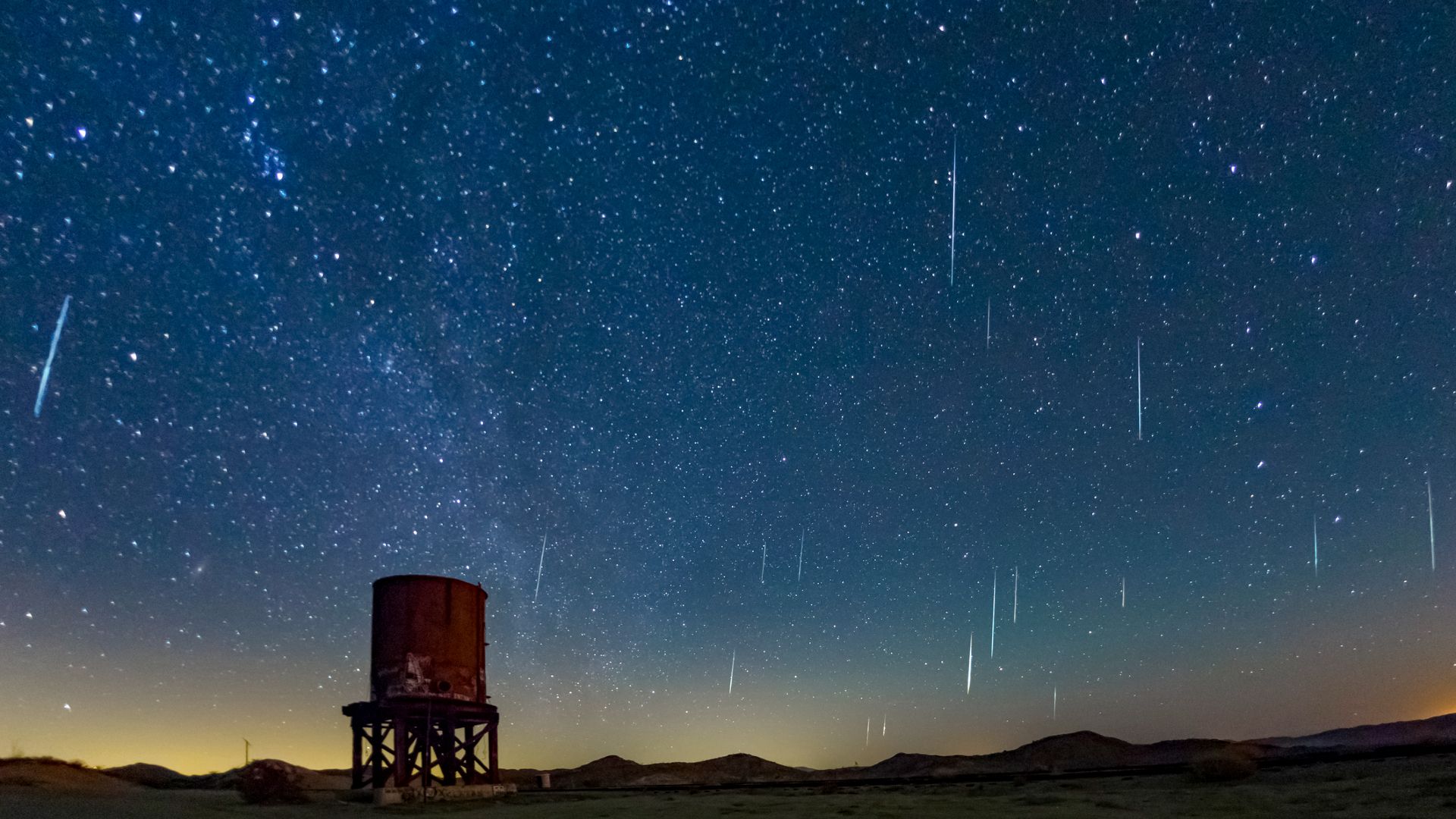
আকাশ পর্যবেক্ষকেরা Eta Aquariid উল্কাবৃষ্টির সর্বোচ্চ পর্যায়ের দিকে এগোচ্ছেন, যা হ্যালির ধূমকেতুর সঙ্গে যুক্ত দুইটি বার্ষিক উল্কা প্রদর্শনের একটি। উৎস উপাদান অনুযায়ী, ২০২৬ সালের ৫ মে থেকে ৬ মে রাতের মধ্যে এই বৃষ্টি সর্বোচ্চে পৌঁছাবে বলে আশা করা হচ্ছে, যখন পৃথিবী ধূমকেতুর ফেলে যাওয়া ধ্বংসাবশেষের মধ্য দিয়ে অতিক্রম করবে। এর ফলে দ্রুতগতির উল্কার এক ঝলক তৈরি হয়, যা পরিচিত “shooting stars”–এর মতো প্রভাব সৃষ্টি করতে পারে।
এই বার্ষিক বৃষ্টি ১৯ এপ্রিল থেকে ২৮ মে পর্যন্ত সক্রিয় থাকে, আর সর্বোচ্চ সময়ে তুলনামূলকভাবে সংকীর্ণ এক সময়ের মধ্যে সবচেয়ে শক্তিশালী কার্যকলাপ দেখা যায়। উৎস পাঠে Eta Aquariids-কে এমন উল্কা হিসেবে বর্ণনা করা হয়েছে, যা Aquarius-এর কাছে Eta Aquarii নক্ষত্র থেকে উদ্ভূত হচ্ছে বলে মনে হয়। সেই নক্ষত্র খালি চোখে দেখা যায়, কিন্তু নিবন্ধে বলা হয়েছে, এটি এই বৃষ্টির কারণ নয়। আসল উৎস হলো ধূমকেতুর ধ্বংসাবশেষ, যা উচ্চ গতিতে পৃথিবীর বায়ুমণ্ডলে প্রবেশ করে।
হ্যালির ধূমকেতু জ্যোতির্বিজ্ঞানের অন্যতম সুপরিচিত বস্তু, এবং Eta Aquariids-ই এর একটি কারণ যে ধূমকেতুটি নিজে দৃশ্যমান না থাকলেও এটি প্রাসঙ্গিক থাকে। উৎসে বলা হয়েছে, হ্যালির ধূমকেতু সূর্যকে একবার প্রদক্ষিণ করতে প্রায় ৭৬ বছর সময় নেয়, শেষবার ১৯৮৬ সালে অভ্যন্তরীণ সৌরজগতে প্রবেশ করেছিল, এবং ২০৬১ সালে ফিরে আসার কথা। সেই আবির্ভাবগুলোর মাঝের অধিকাংশ বছরে, পর্যবেক্ষকেরা ধূমকেতুটিকে পরোক্ষভাবে অনুভব করেন সেই ধুলো ও ক্ষুদ্র কণার মাধ্যমে, যা এটি আগের সফরে ফেলে গিয়েছিল।
Eta Aquariids-কে কী আলাদা করে
এই বৃষ্টির উল্কাগুলো খুব দ্রুত। উৎস পাঠে বলা হয়েছে, কণাগুলো পৃথিবীর বায়ুমণ্ডলে প্রায় ৪০.৭ মাইল প্রতি সেকেন্ড, বা ৬৫.৪ কিলোমিটার প্রতি সেকেন্ড গতিতে প্রবেশ করে। এই গতিতে, ধূমকেতুর ধ্বংসাবশেষের ক্ষুদ্রতম অংশও জ্বলে উজ্জ্বল হয়ে উঠতে পারে, তীক্ষ্ণ আলোর রেখা এবং কখনও কখনও দীর্ঘস্থায়ী দীপ্তিময় লেজ রেখে যায়। উজ্জ্বল fireballs সম্ভব, যদিও উৎসে সেগুলোকে বিরল বলা হয়েছে।
এই গতি বৃষ্টির চরিত্রও নির্ধারণ করে। ধীরগতির উল্কা প্রদর্শনের তুলনায় Eta Aquariids দ্রুত, শক্তিশালী আলোর রেখার জন্য পরিচিত। উত্তর গোলার্ধের পর্যবেক্ষকদের জন্য, উৎস বলছে radiant অপেক্ষাকৃত নিচু পূর্ব দিগন্তে থাকে, যা ঘণ্টাপ্রতি হার সীমিত করে। তবুও, দর্শকেরা এমন দীর্ঘ উল্কা দেখতে পারেন যা কম কোণে আকাশ জুড়ে সরে যায়। এ ধরনের Earthgrazers দৃশ্যত আকর্ষণীয় হতে পারে, কারণ এগুলো পর্যবেক্ষকের দৃষ্টিক্ষেত্র জুড়ে আরও দূর পর্যন্ত এগোচ্ছে বলে মনে হয়।
উৎসের অনুমান অনুযায়ী, উত্তর গোলার্ধের পর্যবেক্ষকেরা সাধারণত অনুকূল অবস্থায় ঘণ্টায় ১০ থেকে ৩০টি উল্কা দেখতে পারেন। এই সংখ্যা আরও দক্ষিণের অক্ষাংশে যা দেখা যায় তার চেয়ে কম, যেখানে radiant আরও উঁচুতে ওঠে এবং জ্যামিতি বেশি অনুকূল হয়। বাস্তবে এর মানে, দক্ষিণের গ্রীষ্মমণ্ডলে এই বৃষ্টির খ্যাতি বেশি, তবে কম হারের হিসাব মেনে নিতে রাজি থাকলে উত্তর দিকেও এটি দেখার মতো।

চাঁদের আলো দেখা কঠিন করে দেবে
এ বছরের সর্বোচ্চের সঙ্গে একটি বড় সীমাবদ্ধতা রয়েছে: উজ্জ্বল চাঁদের আলো। উৎস বলছে, উজ্জ্বল চাঁদ ম্লান রেখাগুলোকে ধুয়ে দিতে পারে, ফলে কেবল উজ্জ্বল উল্কাগুলোই দৃশ্যমান হবে। এতে ঘটনাটি বাতিল হয় না, কিন্তু প্রত্যাশা বদলে যায়। অন্ধকার আকাশের নিরবচ্ছিন্ন শোয়ের বদলে অনেক দর্শক এমন একটি বেশি নির্বাচিত প্রদর্শনী পেতে পারেন, যেখানে ধৈর্য আরও গুরুত্বপূর্ণ।
এই সমঝোতা উল্কা পর্যবেক্ষণে পরিচিত। বৃষ্টি শুধু বায়ুমণ্ডলে পৌঁছানো কণার সংখ্যার ওপর নির্ভর করে না, ভূমির ওপর পর্যবেক্ষণ-পরিস্থিতির ওপরও নির্ভর করে। শক্তিশালী radiant এবং দ্রুত উল্কা এখনো স্মরণীয় দৃশ্য দিতে পারে, কিন্তু চাঁদের আলো বৈসাদৃশ্য কমায় এবং সবচেয়ে ম্লান কার্যকলাপ আগে অদৃশ্য করে দেয়। কার্যত এর অর্থ হলো, বায়ুমণ্ডলীয় কার্যকলাপ শক্তিশালী থাকলেও বৃষ্টিটি বেশি বিরতি-নির্ভর মনে হতে পারে।
উৎস উপাদান আরও জানায়, সর্বোচ্চ কার্যকলাপ প্রায় এক সপ্তাহের মধ্যে, সর্বোচ্চের কেন্দ্রকে ঘিরে কেন্দ্রীভূত থাকে। এটি গুরুত্বপূর্ণ, কারণ পর্যবেক্ষকেরা একটি মাত্র মুহূর্তে সীমাবদ্ধ নন। সর্বোচ্চ রাতটি পুরো শক্তিতে বৃষ্টি দেখার সেরা সুযোগ হলেও, পাশের রাতগুলোও দেখা দিতে পারে, বিশেষ করে যাদের আবহাওয়া, খারাপ দিগন্তদৃশ্য, বা স্থানীয় আলোকদূষণের সমস্যা আছে।
এই বৃষ্টি কেন একটি রাতের চেয়ে বেশি গুরুত্বপূর্ণ
Eta Aquariids, হ্যালির ধূমকেতুর সঙ্গে যুক্ত বৃহত্তর বার্ষিক ধারা’র অংশ। উৎস ব্যাখ্যা করে, পৃথিবী বছরে দু’বার ওই ধূমকেতুর ধ্বংসাবশেষের পথ অতিক্রম করে, যার ফলে এপ্রিল ও মে মাসে Eta Aquariids এবং অক্টোবর ও নভেম্বর মাসে Orionids তৈরি হয়। একসঙ্গে, এই বৃষ্টিগুলো একটি দূরবর্তী এবং বর্তমানে অদৃশ্য ধূমকেতুকে রাতের আকাশে পুনরাবৃত্ত এক ঘটনায় পরিণত করে।
এই পুনরাবৃত্তি বৃষ্টিটিকে পর্যবেক্ষণমূল্য ছাড়াও শিক্ষামূলক মূল্য দেয়। ভূমি থেকে উল্কাবৃষ্টি স্বতঃস্ফূর্ত মনে হতে পারে, কিন্তু উৎস স্পষ্ট করে যে এটি কক্ষীয় যান্ত্রিকতার একটি পূর্বানুমেয় ফল। হ্যালির ধূমকেতু বর্তমানে নেপচুনের বাইরে, তবে আগের যুগে ফেলে যাওয়া উপাদান এখনও পৃথিবীর পথকে ছেদ করে। মানুষ বায়ুমণ্ডলে যে ক্ষণিকের ঝিলিক দেখে, তা সময়ের সঙ্গে টিকে থাকা বৃহত্তর সৌরজগতের কাঠামোর চিহ্ন।
সাধারণ পর্যবেক্ষকদের জন্য, Eta Aquariids এটাও মনে করিয়ে দেয় যে প্রতিটি আকাশঘটনার জন্য বিশেষ সরঞ্জাম দরকার হয় না। এটি মূলত খালি চোখে দেখার মতো একটি ঘটনা, এবং উৎসে টেলিস্কোপ পর্যবেক্ষণের বদলে দৃশ্যমানতার ওপর জোর দেওয়া হয়েছে। ফলে অংশগ্রহণের বাধা কম, যদিও স্থান ও আকাশের উজ্জ্বলতার ওপর ফল ভিন্ন হতে পারে।

সর্বোচ্চ রাতে কী আশা করবেন
উত্তর অক্ষাংশের দর্শকদের জন্য সবচেয়ে বাস্তবসম্মত প্রত্যাশা হলো, ধারাবাহিক উল্কাবৃষ্টি নয়, বরং কয়েকটি দ্রুত, কখনও নাটকীয় রেখা দিয়ে ছেদ করা একটি দেখার সময়। উৎস অনুযায়ী, উত্তর গোলার্ধে radiant নিচু থাকায় হার কমে যায়, তবে সেই জ্যামিতি দিগন্তের কাছাকাছি দীর্ঘ উল্কাও তৈরি করতে পারে। অনুকূল মুহূর্তে, এগুলোই প্রদর্শনের সবচেয়ে স্মরণীয় অংশ হতে পারে।
হ্যালির ধূমকেতুর সঙ্গে এই বৃষ্টির সম্পর্ক এটিকে অতিরিক্ত কাহিনির আকর্ষণ দেয়। ধূমকেতুটি ফিরে আসতে এখনো দশক দূরে থাকলেও, তার উপাদান এখনও পৃথিবীর সঙ্গে পরিমাপযোগ্য ও দৃশ্যমানভাবে মিথস্ক্রিয়া করছে। তাই Eta Aquariids শুধু একটি মৌসুমি প্রদর্শনী নয়। এটি সৌরজগতের অন্যতম পরিচিত অতিথির সঙ্গে বার্ষিক সাক্ষাৎ, যা কয়েক সেকেন্ডের আলোর মাধ্যমে প্রকাশ পায়।
২০২৬ সালের জন্য সীমাবদ্ধতা মনে হচ্ছে মহাকাশে কার্যকলাপের ঘাটতি নয়, বরং আকাশের উজ্জ্বলতা। উল্কাগুলো এখনও আসবে বলে আশা করা হচ্ছে। প্রশ্ন হলো, তাদের মধ্যে কতগুলো চাঁদের আলোকে ছাপিয়ে দৃশ্যমান হবে। যারা ৫-৬ মে আকাশের দিকে তাকাবেন, তাদের জন্য পুরস্কার হবে একটি ধূমকেতুর দীর্ঘস্থায়ী লেজের ভেতর দিয়ে পৃথিবীর অতিক্রম দেখার সুযোগ।
এই নিবন্ধটি Live Science-এর প্রতিবেদনের ভিত্তিতে লেখা। মূল নিবন্ধটি পড়ুন.
Originally published on livescience.com