যখন ক্যাম্পিং মহাকাশ ডিজাইনের সাথে মিলিত হয়
ভ্রমণ ট্রেইলার শিল্পটি তার মৌলিক ডিজাইন ভাষায় অত্যন্ত রক্ষণশীল হয়েছে। এয়ারস্ট্রিম যখন ১৯৩০ এর দশকে অ্যালুমিনিয়াম-ত্বক রাস্তার টানা ক্যাম্পারকে মানক করেছিল, তখন থেকে বেশিরভাগ পুনরাবৃত্তি মৌলিক ফর্মকে পুনর্ভাবনা করার চেয়ে ধীরে ধীরে বিকশিত হয়েছে। স্কাইড্রিম একটি বিরল ব্যতিক্রম: একটি ভ্রমণ ট্রেইলার যার ডিজাইনাররা দৃশ্যত আরভি নান্দনিকতার চেয়ে মহাকাশ থেকে শুরু করেছেন, এবং যার স্বাক্ষর বৈশিষ্ট্য হল একটি আনফোল্ডিং স্থাপনা সিস্টেম যা টানা ইউনিটকে সম্পূর্ণ ক্যাম্প কনফিগারেশনে রূপান্তরিত করে যা কোম্পানি বর্ণনা করে মাত্র কয়েক সেকেন্ডের ব্যাপার।
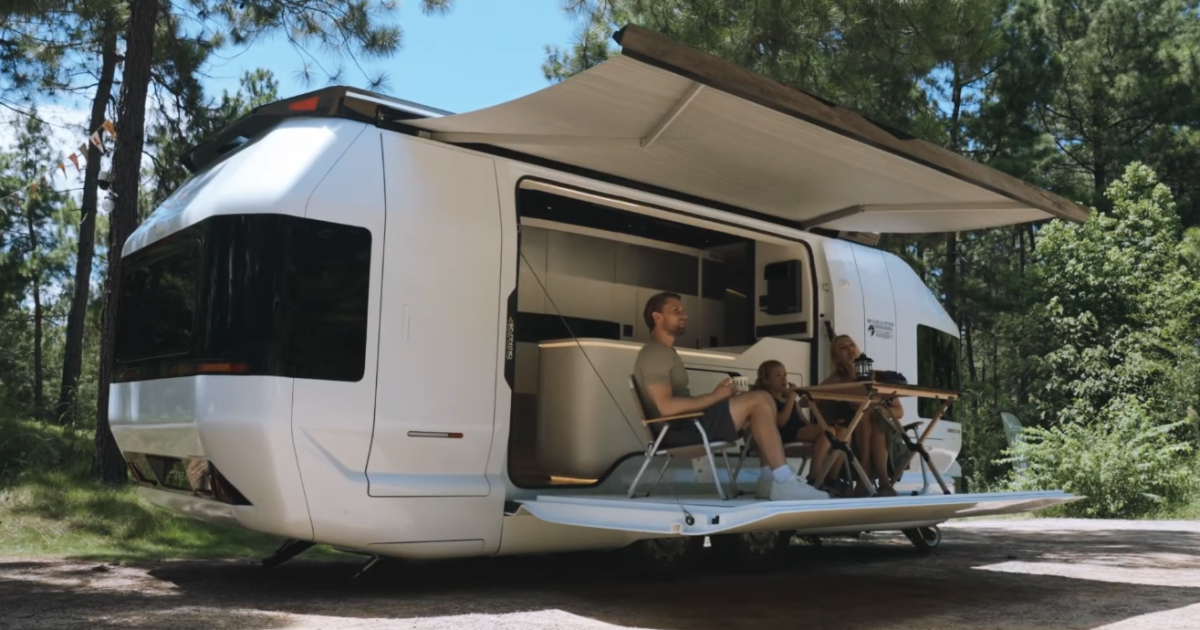
নতুন অ্যাটলাস দ্বারা রিপোর্ট করা ভিজ্যুয়াল ছাপ আকর্ষণীয়। এর টানা কনফিগারেশনে, স্কাইড্রিম একটি কমপ্যাক্ট, কম-ড্র্যাগ ক্যাপসুল হিসাবে পড়ে যেখানে স্পষ্টভাবে মহাকাশ-প্রভাবিত লাইন রয়েছে। এর স্থাপিত কনফিগারেশনে, এটি একটি বসবাসের এলাকায় খোলে যা এর টানা পদচিহ্নের চেয়ে যথেষ্ট বড় - একটি ডিজাইন পদ্ধতি মহাকাশ সৌর প্যানেল স্থাপনা এবং উপগ্রহ অ্যান্টেনা সিস্টেম থেকে ধার করা যা পরিবহনের জন্য কমপ্যাক্ট হওয়ার দরকার কিন্তু কার্যকারিতার জন্য বড় হওয়ার দরকার।
স্থাপনা প্রক্রিয়া
মূল উদ্ভাবন হল আনফোল্ডিং সিস্টেম। যেখানে প্রচলিত পপ-আপ ক্যাম্পার এবং সম্প্রসারণযোগ্য ট্রেইলারগুলি ম্যানুয়াল ক্র্যাঙ্কিং, লকিং এবং সেটআপ ক্রম প্রয়োজন যা ভাল অবস্থায় ১৫ থেকে ৩০ মিনিট সময় নিতে পারে, স্কাইড্রিম একটি মোটরযুক্ত প্রক্রিয়া ব্যবহার করে যা একটি একক সুইচ দ্বারা নিয়ন্ত্রিত হয়। পাশগুলি এবং সম্ভবত ছাদ প্যানেলগুলি জয়েন্টগুলির সাথে বাইরের দিকে সংযুক্ত হয়, এক্সুয়েটর দ্বারা পরিচালিত, যতক্ষণ না ট্রেইলার সম্পূর্ণভাবে সম্প্রসারিত কনফিগারেশন অর্জন করে। সম্পূর্ণ প্রক্রিয়া ৩০ সেকেন্ডের মধ্যে সম্পন্ন হওয়ার দাবি করা হয়।
এই পদ্ধতিতে প্রকৌশল চ্যালেঞ্জ হল সিলিং। প্রচলিত কঠিন পার্শ্বযুক্ত ট্রেইলারগুলি ক্রমাগত শেল নির্মাণের মাধ্যমে আবহাওয়া প্রতিরোধ অর্জন করে; সম্প্রসারণযোগ্য ট্রেইলারগুলি ফ্যাব্রিক বিভাগের উপর নির্ভর করে যা আর্দ্রতা প্রবেশ করতে এবং কঠিন দেয়ালের চেয়ে কম নিরোধক প্রদান করতে পারে। এই সমস্যার প্রতি স্কাইড্রিমের পদ্ধতি - এটি গ্যাসকেট সিল সহ কঠিন ফোল্ডিং প্যানেল ব্যবহার করে কিনা, একটি সংকর কঠিন-নমনীয় সিস্টেম, বা অন্য কোনো সমাধান - নির্ধারণ করবে পণ্যটি ক্ষেত্রের অবস্থার মধ্যে নিয়ন্ত্রিত প্রদর্শনে যেমন দেখা যায় তেমনি চিত্তাকর্ষকভাবে কর্মক্ষমতা করে কিনা।

লক্ষ্য বাজার এবং ব্যবহারের ক্ষেত্র
স্কাইড্রিম ক্যাম্পিং গিয়ার শিল্পকে যা বলে তা দুঃসাহসিক ট্রেইলার বা অফ-গ্রিড সেগমেন্টে অবস্থান করছে - ক্রেতারা যারা অনন্য অভিজ্ঞতা এবং ডিজাইন অভিব্যক্তি ব্যবহারিক ক্যাম্পিং কার্যকারিতার পাশাপাশি অগ্রাধিকার দেন। এই সেগমেন্ট আউটডোর রিক্রিয়েশন বাজারে দ্রুততম বৃদ্ধিশীল একটি হয়েছে, তরুণ ক্রেতাদের দ্বারা চালিত যারা বড় প্রচলিত আরভিতে কম আগ্রহী এবং পণ্যে আরও আগ্রহী যা একটি নান্দনিক সংবেদনশীলতা প্রতিফলিত করে সেইসাথে একটি কার্যকরী উদ্দেশ্য।
স্পেস ক্যাপসুল ডিজাইন ভাষা এই ক্রেতার জন্য স্বেচ্ছাচারী নয়। এটি উচ্চাকাঙ্ক্ষা, প্রযুক্তিগত পরিশীলিততা এবং একটি নির্দিষ্ট ধরনের অভিজ্ঞতামূলক পরিচয় সংকেত করে। একটি মহাকাশযান-আকৃতির ট্রেইলারে ক্যাম্পিং একটি প্রচলিত এয়ারস্ট্রিমে ক্যাম্পিংয়ের চেয়ে একটি ভিন্ন সাংস্কৃতিক বিবৃতি - এবং একটি বাজারে যেখানে পণ্যগুলি ক্রমবর্ধমানভাবে পরিচয় বস্তু হিসাবে প্রতিযোগিতা করে যেমন কার্যকরী সরঞ্জামগুলি, সেই পার্থক্যের বাণিজ্যিক মূল্য রয়েছে।
ব্যবহারিক প্রশ্নগুলি
স্কাইড্রিম ব্যবহারিক প্রশ্ন উত্থাপন করে যা যেকোনো নতুন ক্যাম্পিং পণ্যকে অবশেষে উত্তর দিতে হবে। বছরের ব্যবহার এবং ধুলা, আর্দ্রতা এবং তাপীয় চক্রের সংস্পর্শের পরে স্থাপনা প্রক্রিয়াটি কত ভালভাবে কাজ করে? কি পরিস্থিতি রয়েছে - উচ্চ বাতাস, ভারী বৃষ্টি, একটি আটকে যাওয়া অ্যাকুয়েটর - যেখানে স্থাপনা বা প্রত্যাহার ক্ষেত্রে কঠিন বা অসম্ভব হয়ে ওঠে, ব্যবহারকারীকে ভ্রমণ করতে অক্ষম রেখে যায়? প্রচলিত ট্রেইলারের চেয়ে আরও জটিল প্রক্রিয়া সহ একটি পণ্যের জন্য সেবা এবং মেরামত কতটা অ্যাক্সেসযোগ্য?
এগুলি ডিজাইন দর্শনে আপত্তি নয় বরং ক্রেতাদের জন্য প্রয়োজনীয় বিবেচনা যারা একটি প্রমাণিত পণ্যকে প্রতিষ্ঠিত বিকল্পগুলির বিরুদ্ধে মূল্যায়ন করছে। ক্যাম্পিং এবং আরভি শিল্পের ইতিহাসে অসংখ্য উদ্ভাবনী ডিজাইন রয়েছে যা বাধ্যতামূলক ধারণা প্রদর্শন করেছিল কিন্তু বহু মৌসুমে বাস্তব ক্ষেত্র ব্যবহারের স্থায়িত্ব এবং সেবাযোগ্যতার প্রয়োজনীয়তার সাথে সংগ্রাম করেছিল।
বিস্তৃত প্রবণতা
স্কাইড্রিম ডিজাইন-ফরওয়ার্ড ক্যাম্পিং পণ্যগুলির একটি বৃহত্তর ঢেউয়ের অংশ যা বাজারে প্রবেশ করেছে কারণ আউটডোর রিক্রিয়েশন অংশগ্রহণ বৃদ্ধি পেয়েছে। আর্থরোমার অভিযান যানবাহন, ট্যাক্সা ক্রিকেট ট্রেইলার এবং বিভিন্ন উচ্চ-ডিজাইন আশ্রয় সিস্টেমের মতো পণ্যগুলি ক্রেতাদের খুঁজে পেয়েছে যারা একটি ডিজাইন করা অভিজ্ঞতার মতো ক্যাম্পিং পদ্ধতিযুক্ত পণ্যগুলির জন্য প্রিমিয়াম অর্থ প্রদানের ইচ্ছুক যার চেয়ে একটি সম্পূর্ণ কার্যকরী কার্যকলাপ।
স্কাইড্রিমের এই সেগমেন্টে টেকসই প্রতিযোগিতা করার জন্য নির্মাণ মান এবং ক্রয়োত্তর সমর্থন রয়েছে কিনা তা স্পষ্ট হবে যখন ইউনিটগুলি ক্ষেত্রে প্রবেশ করে। ডিজাইন, সর্বনিম্নে, একটি ভ্রমণ ট্রেইলার কী হতে পারে তার একটি প্রকৃত পুনর্ভাবনা প্রতিনিধিত্ব করে - এবং একটি বিভাগে যা দশক ধরে সামান্য পরিবর্তিত হয়েছে, সেই উচ্চাকাঙ্ক্ষা নিজেই উল্লেখযোগ্য এবং প্রথম উৎপাদন ইউনিটগুলি মালিকদের কাছে পৌঁছানোর সাথে সাথে দেখার যোগ্য।
এই নিবন্ধটি নিউ অ্যাটলাস দ্বারা রিপোর্টিংয়ের উপর ভিত্তি করে। মূল নিবন্ধ পড়ুন।
Originally published on newatlas.com