Solar Energy: Europe's Shield Against Energy Price Volatility
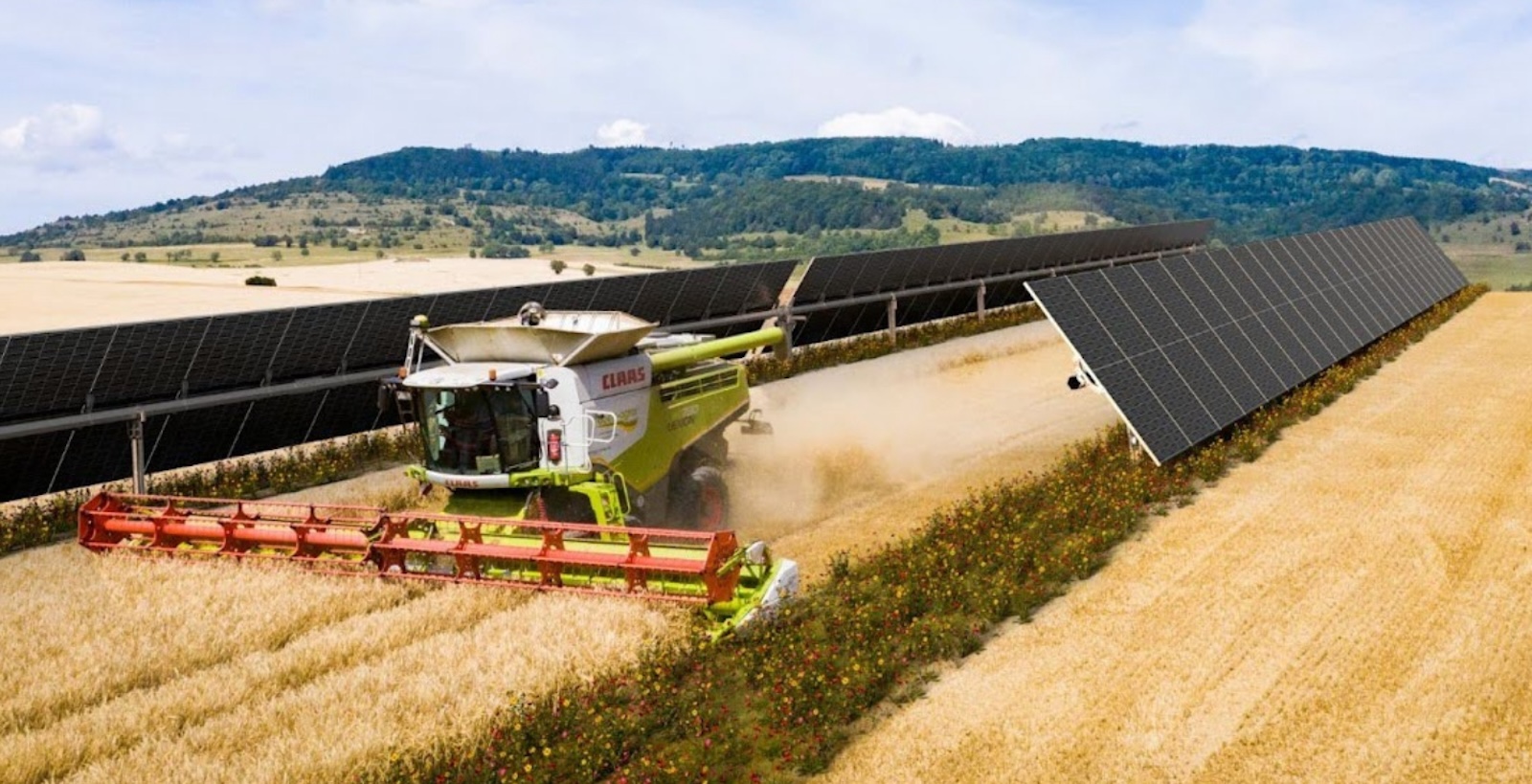
As geopolitical tensions in the Middle East disrupt global energy markets, Europe's strategic investment in solar power is paying off handsomely. According to a new analysis by SolarPower Europe, the continent's solar installations have saved consumers more than $135 million per day since March 1, 2026, avoiding over €11 billion in fossil fuel import costs. This financial buffer comes at a critical time when the closure of the Strait of Hormuz threatens to send oil and natural gas prices soaring.
Walburga Hemetsberger, CEO of SolarPower Europe, emphasized the significance of these savings, stating that they represent "a clear demonstration of what a renewable-first energy system can achieve in times of volatility." She noted that the avoided costs are equivalent to Belgium's recent annual defense budgets, yet represent only a fraction of the potential benefits if Europe accelerates its renewable energy deployment.
How Solar Is Reducing Europe's Dependence on Fossil Fuels
The savings stem from solar power's ability to displace natural gas and oil in electricity generation. By generating electricity from sunlight, Europe reduces its need to import expensive fossil fuels, particularly during peak demand periods. SolarPower Europe's analysis highlights that since March 1, the solar fleet has significantly lowered the amount of gas required to meet electricity demand, thereby reducing the influence of gas prices on overall electricity costs.
Hemetsberger called for continued policy support to scale up battery storage and electrification, which can amplify the benefits of solar power. "With the right policy signals, swift implementation, and continued collaboration across institutions, industry, and society, we can build an energy system that is cleaner, more affordable, and more secure for all," she said in a statement.

Spain Leads the Way in Renewable Energy Expansion
Several European nations have already demonstrated the benefits of focusing on green technology. Spain, for instance, has doubled its wind and solar capacity since 2019, adding more than 40 GW to its energy mix. To put that into perspective, a 1 GW generating station can power nearly 900,000 households for a year, based on average consumption of 10,000 kWh per year. This expansion has helped Spain reduce its reliance on imported fossil fuels and stabilize electricity prices.
The success of Spain and other countries underscores the potential for rapid renewable energy deployment. SolarPower Europe's data shows that Europe's solar capacity has grown exponentially in recent years, driven by falling costs and supportive policies. The organization urges the European Union to provide concrete measures and financing tools to maintain this momentum.
Lessons from the Crisis: The Need for Storage and Flexibility
The current crisis has also highlighted the importance of energy storage and grid flexibility. Hemetsberger told EuroNews that "lessons from the past 100 days should sharpen the focus on delivering the non-fossil fuel flexibility, such as battery storage, that can amplify the benefits of Europe's renewable power generation." Battery storage allows excess solar energy generated during sunny periods to be stored and used when the sun isn't shining, reducing the need for gas-fired peaker plants.
Scaling up storage is essential for maximizing the value of solar power and further reducing fossil fuel dependence. SolarPower Europe advocates for policies that incentivize storage deployment, alongside continued investment in solar capacity.
Economic and Geopolitical Implications
The savings from solar power are not just an economic boon; they also enhance Europe's energy security. By reducing reliance on imported fossil fuels from volatile regions, Europe can insulate itself from price shocks and supply disruptions. The €11 billion saved since March represents money that stays in the European economy rather than flowing to fossil fuel exporters.
Moreover, the avoided costs could be reinvested in further clean energy infrastructure, creating jobs and driving innovation. SolarPower Europe's analysis suggests that with accelerated deployment of solar, storage, and electrification, Europe can reduce the role of gas in setting electricity prices, strengthen energy independence, and build a more secure and affordable energy system.
Looking Ahead: Policy Recommendations
To maintain and expand these benefits, SolarPower Europe calls for ambitious renewable energy targets, streamlined permitting processes, and increased funding for grid modernization and storage. The organization also emphasizes the need for cross-border cooperation to integrate solar power across the European grid.
As the Middle East crisis continues to roil energy markets, Europe's solar success story offers a blueprint for other regions seeking to enhance energy security while combating climate change. The message from SolarPower Europe is clear: solar is delivering, storage is scaling, and Europe must now translate ambition into action.
This article is based on reporting by CleanTechnica. Read the original article.
Originally published on cleantechnica.com




