গাঢ়, ধ্বংসাবশেষ-ভর্তি আইসবার্গ বিজ্ঞানীদের এক অপ্রত্যাশিত আবিষ্কারের দিকে নিয়ে গেছে
ফ্রাম স্ট্রেইটের অস্বাভাবিক আর্কটিক আইসবার্গ নিয়ে গবেষণা করে বিজ্ঞানীরা এমন প্রমাণ পেয়েছেন যে গলতে থাকা আইসবার্গগুলি শিলাখণ্ড ও খনিজ ধ্বংসাবশেষ সমুদ্রতলে ফেলছে, যার ফলে নতুন শক্ত পৃষ্ঠ তৈরি হচ্ছে এবং তা সদ্য নথিভুক্ত সামুদ্রিক প্রতিবেশব্যবস্থাকে সমর্থন করছে।
প্রদত্ত সূত্রপাঠ্যে জার্মানির Alfred Wegener Institute এবং Woods Hole Oceanographic Institution-কে যুক্ত করে বর্ণিত এই কাজটি, চোখে পড়ার মতো ধ্বংসাবশেষবাহী আইসবার্গের উপস্থিতিকে সমুদ্রপৃষ্ঠের নিচে ঘটতে থাকা এক শৃঙ্খলবদ্ধ পরিবেশগত প্রভাবের সঙ্গে যুক্ত করে। এসব প্রভাবের মধ্যে রয়েছে সজীব সফট কোরাল, সি স্টার, অ্যানিমোন, স্পঞ্জ, ব্রায়োজোয়া এবং অন্যান্য সমুদ্রতল জীবের আবাসস্থল।
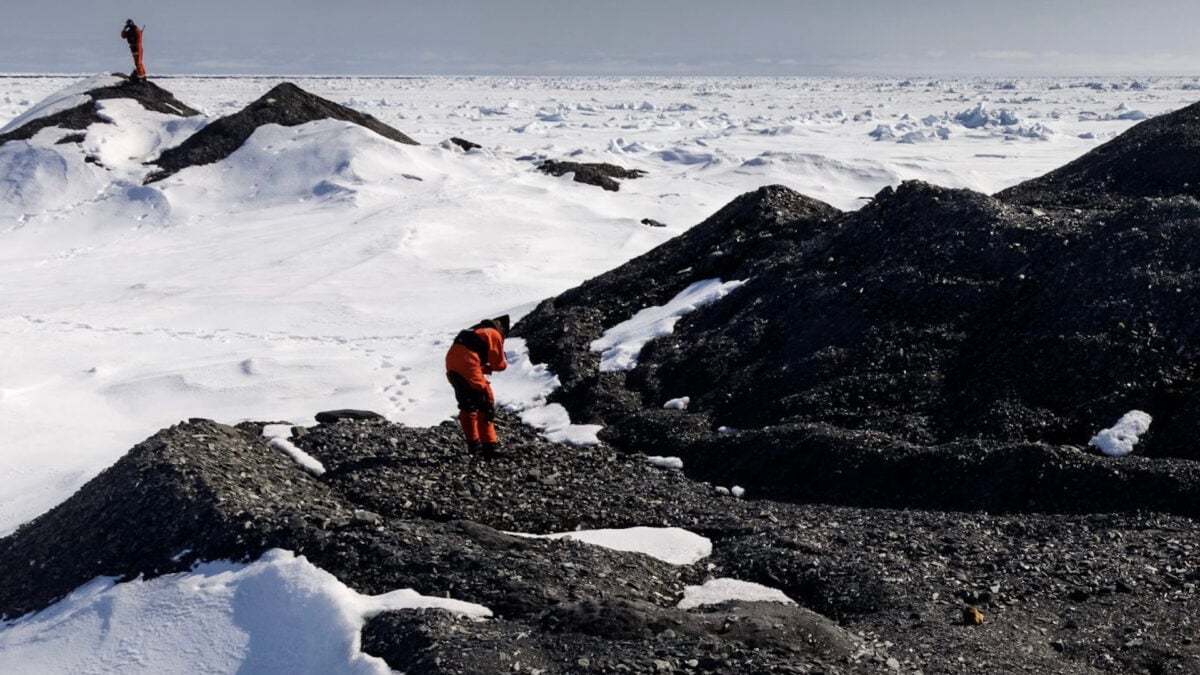
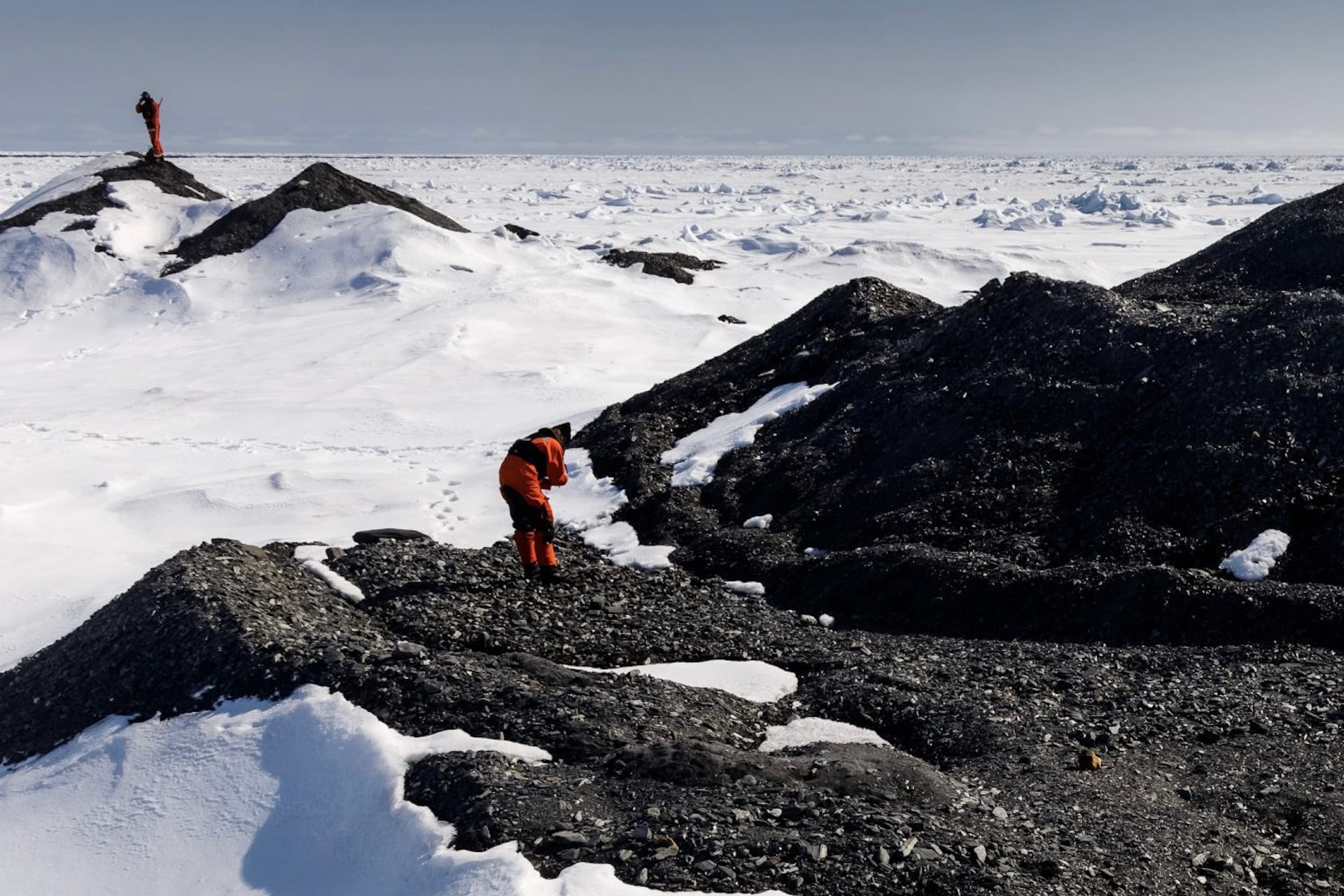
এই আবিষ্কারের শুরু ২০২১ সালের এক মেরু অভিযানে, যখন ফ্রাম স্ট্রেইটের কিছু আইসবার্গ বিপুল পরিমাণ ধ্বংসাবশেষ বহন করার কারণে অস্বাভাবিকভাবে গাঢ় দেখাচ্ছিল। সেই দৃশ্যগত অস্বাভাবিকতাই পরে এক বৃহত্তর প্রক্রিয়ার সূত্র হয়ে ওঠে, যা হিমবাহ, বরফ পরিবহন, সমুদ্রতল ভূতত্ত্ব এবং সামুদ্রিক জীববৈচিত্র্যকে একত্রে যুক্ত করে।
“ড্রপস্টোন” কীভাবে আবাস গড়ে তোলে
আইসবার্গ গলে গেলে, তারা ভেতরে আটকানো শিলা ও খনিজ পদার্থ মুক্ত করে, যেগুলোকে ড্রপস্টোন বলা হয়। এই পাথরগুলো সমুদ্রতলে নেমে আসে এবং এমন জায়গায় শক্ত ভিত্তি দেয়, যেখানে অন্যথায় স্থির জীবের বসতি গড়ার উপযোগী পৃষ্ঠ নাও থাকতে পারে।
প্রদত্ত পাঠ্য অনুযায়ী, Alfred Wegener Institute-এর Hausgarten পর্যবেক্ষণ নেটওয়ার্ক ও স্যাটেলাইট চিত্র ব্যবহারকারী গবেষকেরা দেখেছেন, একসময় যেখানে কেবল বিচ্ছিন্ন শিলাখণ্ড ছিল, সেখানে এখন বড় বড় সঞ্চয় দেখা যাচ্ছে, যা প্রায়শই ছোট ছোট গুচ্ছে থাকে। প্রতিটি নতুন পাথরগুচ্ছ কার্যত গভীর সমুদ্রের জীবদের জন্য একটি বসতি স্থাপনের সুযোগ তৈরি করে, যারা শক্ত পৃষ্ঠে আটকাতে অভিযোজিত।
এটি গুরুত্বপূর্ণ, কারণ আবাসস্থলের গঠনই জীববৈচিত্র্যকে নির্ধারণ করে। নরম তলদেশের পরিবেশে শক্ত ভিত্তি এসে গেলে কোন প্রজাতি সেখানে প্রতিষ্ঠিত হতে পারবে তা বদলে যায়। গবেষকদের বর্ণনা অনুযায়ী, এর ফলে আর্কটিক সমুদ্রতলে স্থানীয় জীববৈচিত্র্য বেড়ে যায়।

জলবায়ু সংকেতের সঙ্গে পরিবেশগত পার্শ্বপ্রতিক্রিয়া
গবেষণাটি এটিকে সরল পরিবেশগত সুখবর হিসেবে উপস্থাপন করে না। বৃহত্তর প্রেক্ষাপট হলো উষ্ণতর আর্কটিক এবং গলতে থাকা হিমবাহ থেকে ছিটকে পড়া ক্রমবর্ধমান আইসবার্গ। সে অর্থে, নতুন আবাসস্থলগুলো ক্রায়োস্ফিয়ারের বিঘ্নের এক পার্শ্বফল, তার প্রতিরোধ নয়।
তবু এই আবিষ্কারটি বৈজ্ঞানিকভাবে গুরুত্বপূর্ণ, কারণ এটি এমন এক তুলনামূলকভাবে কম স্পষ্ট পথ দেখায় যার মাধ্যমে জলবায়ু-সম্পর্কিত পরিবর্তন প্রতিবেশব্যবস্থাকে পুনর্গঠন করতে পারে। হিমবাহ শুধু সমুদ্রপৃষ্ঠ বা সমুদ্রের তাপমাত্রাই প্রভাবিত করে না। আইসবার্গ ভাঙন ও ধ্বংসাবশেষ পরিবহনের মাধ্যমে তারা সামুদ্রিক জীবনের বিকাশের ভৌত ভিত্তিকে পুনর্বিন্যস্ত করতে পারে।
সূত্রপাঠ্য বলছে, স্যাটেলাইট পুনর্গঠন বহু ধ্বংসাবশেষবাহী আইসবার্গকে উত্তর-পূর্ব গ্রিনল্যান্ড এবং রুশ উচ্চ আর্কটিকের কিছু অংশের হিমবাহের সঙ্গে মিলিয়ে দেখায়। রুশ হিমবাহের উপর স্যাটেলাইট কভারেজ অসম্পূর্ণ হওয়ায়, সব উৎস অঞ্চলে আইসবার্গ সৃষ্টির বৃদ্ধিকে সরাসরি জলবায়ু পরিবর্তনের সঙ্গে যুক্ত করতে গবেষকেরা আরও সতর্ক ছিলেন।
এই সতর্কতা গুরুত্বপূর্ণ। পরিবেশগত প্রক্রিয়াটি ভালোভাবেই সমর্থিত, কিন্তু আইসবার্গ উৎপাদনে পরিবর্তনকে জলবায়ু পরিবর্তনের সঙ্গে যুক্ত করা এখনও তুলনামূলকভাবে সীমিত।
পরিবেশবিদ্যার বাইরেও এই আবিষ্কারের উপযোগিতা
এই গবেষণা নৌচলাচলের ক্ষেত্রেও কার্যকর হতে পারে। সূত্রপাঠ্যে বলা হয়েছে, ক্রমবর্ধমান আইসবার্গ ও তাদের ছাড়া ড্রপস্টোন এসব জলে চলাচলকারী জাহাজের জন্য গুরুত্বপূর্ণ হতে পারে, বিশেষ করে অগভীর এলাকায় যেখানে মানচিত্রে না-থাকা ধ্বংসাবশেষ ঝুঁকি তৈরি করে।
এতে সামুদ্রিক জীববিদ্যা ও সমুদ্রযাত্রা পরিচালনার মধ্যে এক অদ্ভুত সংযোগ তৈরি হয়। আইসবার্গ কোথায় যায়, কোথায় গলে, এবং কোথায় তাদের পাথুরে বোঝা ফেলে যায়, তা ভালোভাবে বোঝা পরিবেশগত মানচিত্রায়ন ও সামুদ্রিক নিরাপত্তা পরিকল্পনা উভয়কেই সাহায্য করতে পারে।
আর্কটিকে মানব কার্যকলাপ বাড়ার সঙ্গে সঙ্গে এ ধরনের দ্বৈত-ব্যবহারের জ্ঞান আরও মূল্যবান হয়ে ওঠে। জাহাজ চলাচল, গবেষণা, এবং সম্পদ-সম্পর্কিত যাতায়াত সবই সঠিক ঝুঁকি-সচেতনতার ওপর নির্ভর করে, এবং পানির নিচের ধ্বংসাবশেষের ক্ষেত্র সবসময় পৃষ্ঠ থেকে দেখা যায় না।

গ্রহগত আন্তঃসংযোগের একটি উদাহরণ
এই আবিষ্কারের সবচেয়ে আকর্ষণীয় দিকগুলোর একটি হলো এর সংযোগের মাত্রা। ভূমি থেকে ক্ষয়প্রাপ্ত পদার্থ হিমবাহের বরফে আটকে যায়, আইসবার্গের মাধ্যমে সমুদ্র পেরিয়ে পরিবাহিত হয়, সমুদ্রতলে পড়ে, এবং পরে সামুদ্রিক জীবরা নতুন সম্প্রদায়ের ভিত্তি হিসেবে ব্যবহার করে। এই প্রক্রিয়া স্থলভাগীয় ভূতত্ত্ব, ক্রায়োস্ফিয়ারের গতিবিদ্যা, সমুদ্রের চলাচল এবং গভীর সমুদ্রের পরিবেশবিদ্যাকে এক শৃঙ্খলে যুক্ত করে।
এ কারণেই সূত্রপাঠ্যে উদ্ধৃত বাইরের বিশেষজ্ঞরা ফলাফলগুলোকে পৃথিবী ব্যবস্থার পারস্পরিক সংযুক্ততার এক চমকপ্রদ উদাহরণ বলেছেন। আবিষ্কারটি কেবল নতুন প্রাণী পাথরের ওপর পাওয়া গেছে, তা নয়। পাথরগুলো নিজেই জলবায়ু-সংবেদনশীল পরিবহন ব্যবস্থার মাধ্যমে এসেছে, যা সময়ের সঙ্গে সমুদ্রতলের আবাসস্থলকে নতুন করে গড়ে তুলতে পারে।
আর্কটিক বিজ্ঞান-এর জন্য এটি পরিবেশগত পরিবর্তনের কাহিনিতে একটি অর্থবহ সংযোজন। এটি দেখায়, উষ্ণায়নজনিত পরিবর্তন শুধু ক্ষতি ও ঝুঁকিই তৈরি করে না, বরং নতুন আবাসধরনও তৈরি করতে পারে, যার দীর্ঘমেয়াদি পরিবেশগত প্রভাব এখনো স্পষ্ট নয়।
এই গবেষণা কী যোগ করে
এই গবেষণার মূল অবদান পর্যবেক্ষণভিত্তিক: গবেষকেরা গাঢ়, ধ্বংসাবশেষবাহী আইসবার্গকে সমুদ্রতলের শিলাস্তরের সঙ্গে এবং পরে সেগুলোর ওপর বিকশিত সামুদ্রিক জীবসমষ্টির সঙ্গে যুক্ত করেছেন। এর ফলে আগে যে প্রক্রিয়াটি এতটা স্পষ্ট ছিল না, তা এখন বোঝা সহজ হয়েছে।
বড় takeaway হলো, জলবায়ু পরিবর্তন একক, বিচ্ছিন্ন ফলাফলের মাধ্যমে কাজ করে না। এটি পরিবহন পথ, ভিত্তির প্রাপ্যতা, প্রজাতির সমাবেশ এবং নৌচলাচলের শর্ত একসঙ্গে বদলে দেয়। আর্কটিক এই আন্তঃনির্ভরশীলতাগুলো প্রথমেই প্রকাশ করে, কারণ সেখানে ভৌত পরিবর্তন দ্রুত এবং দৃশ্যমানভাবে ঘটছে।
এই ক্ষেত্রে, এক অদ্ভুত আইসবার্গের চেহারা আরও গভীর উপলব্ধিতে পৌঁছে দেয়: হিমবাহ যখন ভাঙে ও গলে যায়, তখন তারা কেবল উপকূলরেখা ও মহাসাগরকে বদলে দেয় না। তারা পাথর-ধাপে সমুদ্রতলে সম্পূর্ণ নতুন আবাসস্থল গড়ে তুলতেও সহায়তা করছে।
এই নিবন্ধটি Gizmodo-এর প্রতিবেদনের ভিত্তিতে লেখা। মূল নিবন্ধটি পড়ুন.

Originally published on gizmodo.com