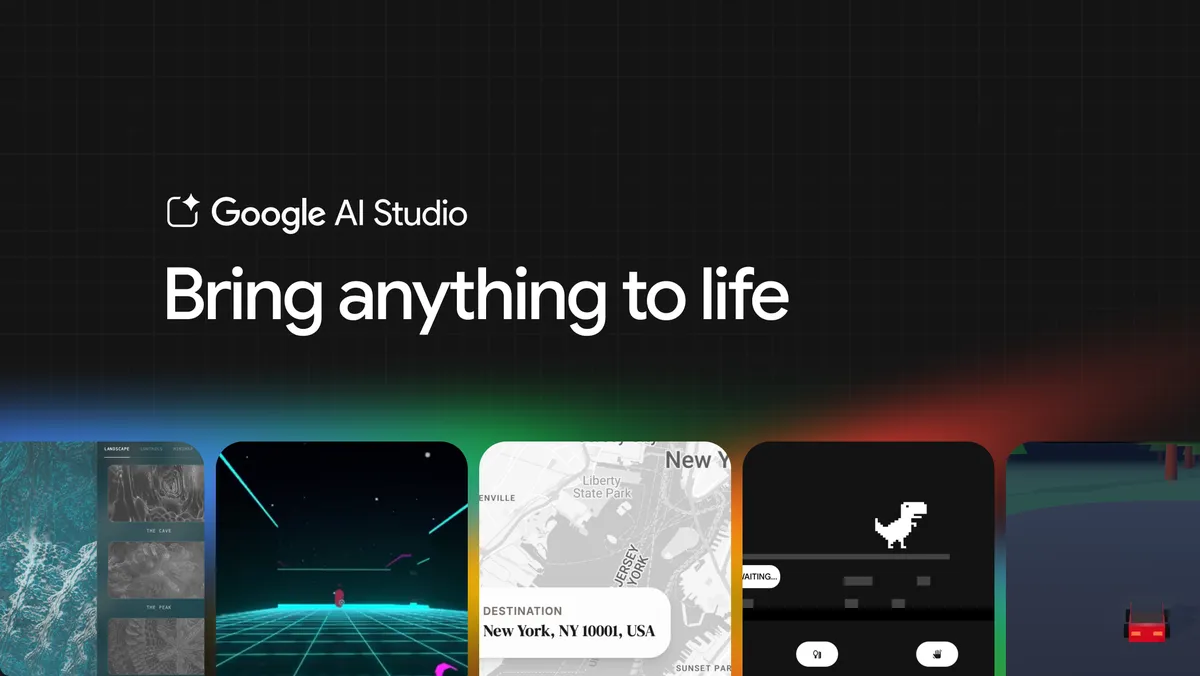
চ্যাট থেকে সম্পূর্ণ-স্ট্যাক অ্যাপ পর্যন্ত এক সেশনে
Google AI Studio voice commands এবং natural language descriptions ব্যবহার করে real-time multiplayer games with backends, databases, user login systems এবং payment processing সহ সম্পূর্ণ applications নির্মাণ করার সামর্থ্য প্রসারিত করেছে। আপডেটটি vibe coding এ একটি উল্লেখযোগ্য পদক্ষেপ প্রতিনিধিত্ব করে: code সরাসরি লেখার পরিবর্তে natural language এ বর্ণনা করে software তৈরি করার অনুশীলন।
সামর্থ্য প্রদর্শনকারী demo একটি voice description থেকে একটি সেশনে একটি কার্যকরী multiplayer game তৈরি করতে দেখিয়েছে, শুধুমাত্র frontend interface নয় বরং multiple simultaneous players এর মধ্যে real-time interactions সমর্থন করার জন্য প্রয়োজনীয় সম্পূর্ণ backend infrastructure। এটি earlier code generation tools থেকে গুণগতভাবে আলাদা, যা functions বা components লিখতে পারে কিন্তু full-stack application architecture এর সাথে সংগ্রাম করেছে।
Vibe Coding কী হয়ে উঠেছে
Vibe coding শব্দটি AI researcher Andrej Karpathy দ্বারা early 2025 এ software development এর একটি মোড বর্ণনা করার জন্য তৈরি করা হয়েছিল যেখানে programmer প্রধানত একজন product designer এবং prompter হিসাবে কাজ করে, AI agents প্রকৃত implementation পরিচালনা করে। ধারণাটি প্রাথমিকভাবে কিছুটা অনুমানমূলক ছিল - সেই সময়ে available AI tools coding এ সহায়তা করতে পারে কিন্তু জটিল full-stack implementation নির্ভরযোগ্যভাবে পরিচালনা করতে পারে না।
গত বছরে, সামর্থ্যগুলি নাটকীয়ভাবে অগ্রসর হয়েছে। একাধিক AI coding assistants এখন well-defined use cases এর জন্য end-to-end application development এর সমতুল্য সমর্থন করে। Google's AI Studio update application generation কে live deployment infrastructure এর সাথে combining করে এটিকে এগিয়ে নিয়ে যায় - generated game শুধুমাত্র code হিসাবে বিদ্যমান নয়, এটি একাধিক ব্যবহারকারীদের দ্বারা browser এ অবিলম্বে playable।

আপডেটের প্রযুক্তিগত গভীরতা
Google AI Studio এ নির্মিত সামর্থ্য code generation অতিক্রম করে infrastructure provisioning encompass করে। যখন একজন ব্যবহারকারী একটি multiplayer game বর্ণনা করে, system শুধু frontend JavaScript লেখে না - এটি database schema সেট আপ করে, real-time communication layer কনফিগার করে, user authentication handle করে এবং game এর জন্য প্রয়োজনীয় যেকোনো backend logic implement করে।
Integration এর এই স্তরটি AI Studio এর বর্তমান সামর্থ্যকে সাধারণ code autocomplete থেকে আলাদা করে। System effectively একজন full-stack developer হিসাবে কাজ করে যিনি শুধুমাত্র কীভাবে code লিখতে হয় তা নয় কীভাবে একটি system architect করতে হয় তাও বোঝেন - কোন services ব্যবহার করতে হবে, ডেটা কীভাবে structure করতে হবে এবং বিভিন্ন components কীভাবে communicate করবে তা সিদ্ধান্ত নেন। Payment processing support এর সংযোজন বিশেষভাবে উল্লেখযোগ্য, কারণ payments regulatory compliance এবং security requirements জড়িত করে যা consumer application development এর আরও জটিল উপাদানগুলির মধ্যে একটি।
এটি কার জন্য এবং এটি কী পরিবর্তন করে
তাৎক্ষণিক সুবিধাভোগীরা non-professional developers - domain expertise এবং product ideas সহ কিন্তু স্বাধীনভাবে implement করার জন্য প্রযুক্তিগত গভীরতার অভাব রয়েছে এমন মানুষ। একজন game designer, educator বা entrepreneur যারা স্পষ্টভাবে বর্ণনা করতে পারে তারা কী তৈরি করতে চান এখন developers নিয়োগ ছাড়াই একটি একটানা working prototype একটি afternoon এ তৈরি করতে পারে।
Professional developers এর জন্য, সামর্থ্য prototyping এর অর্থনীতি এবং junior developers যা তৈরি করার প্রত্যাশিত scope পরিবর্তন করে। Google এর পদক্ষেপ একটি প্রতিযোগিতামূলক প্যাটার্নের অংশ: সমস্ত প্রধান AI labs এবং cloud providers তাদের platforms এ সরাসরি coding capabilities embed করতে প্রতিদ্বন্দ্বিতা করছে, developer lock-in তৈরি করছে এবং establishing করছে কোন AI systems developers একটি নতুন project শুরু করার সময় পৌঁছায়। Vibe coding framing resonates কারণ এটি কিছু বাস্তব capture করে development workflow কীভাবে পরিবর্তিত হচ্ছে সে সম্পর্কে - এবং Google's AI Studio update suggest করে সেই পরিবর্তন যা anticipated হয়েছিল তার চেয়ে দ্রুত accelerating করছে।
এই নিবন্ধটি The Decoder দ্বারা reporting এর উপর ভিত্তি করে। মূল নিবন্ধটি পড়ুন।
Originally published on the-decoder.com