حقل كثبان قلما يفكر فيه الناس
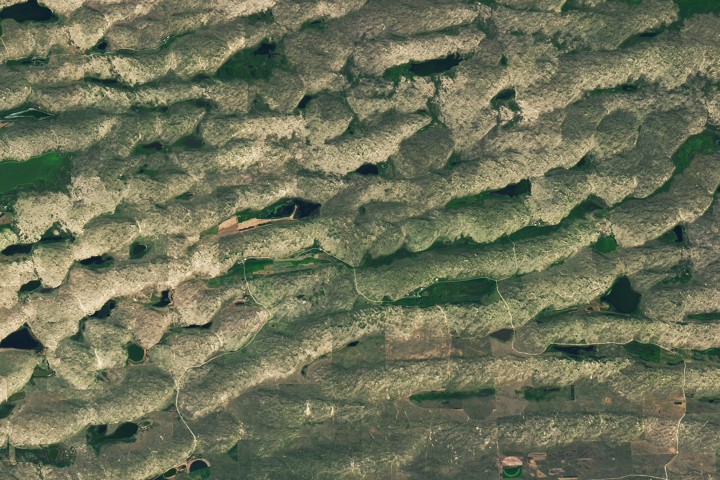
عندما يتخيل الناس أنظمة كثبان كبيرة، فإنهم عادة ما يتصورون السواحل أو الصحارى. لكن منطقة Sandhills في نبراسكا تتحدى هذه الفكرة. ففي ميزة جديدة لمرصد الأرض، تسلط ناسا الضوء على المنطقة بوصفها أكبر نظام للكثبان الرملية في نصف الكرة الغربي، إذ تمتد عبر نحو ربع الولاية. وتوفر الصور، التي التقطها جهاز Operational Land Imager على متن Landsat 8 في أغسطس 2025، تذكيرا بأن أحد أكثر التضاريس لفتا للنظر في أميركا الشمالية يقع بعيدا جدا عن البيئات التي يربطها معظم الناس بالكثبان.
تقع هذه المناظر الطبيعية في شمال وسط نبراسكا وتغطي نحو 20,000 ميل مربع، أو حوالي 52,000 كيلومتر مربع. وما يبدو للوهلة الأولى كأنه أراض عشبية واسعة هو في الواقع حقل هائل من الكثبان المستقرة. تغطي الأعشاب التلال المتموجة، بينما تقطع البحيرات والأراضي الرطبة التضاريس وتدعم الحياة النباتية والحيوانية. ولذلك فإن المنطقة تتميز في آن واحد بطابعها الجيولوجي المدهش وخصوبتها البيئية.
كيف تشكل بحر الكثبان في وسط القارة
تتبع ناسا أصول Sandhills إلى مواد جرى نحتها من جبال روكي. حملت الأنهار تلك الرمال شرقا ونشرتها عبر السهول الكبرى خلال العصر البليستوسيني. وفيما بعد، جعلت ظروف الجفاف مجاري الأنهار جافة بما يكفي لكي ترفعها الرياح، التي كانت تهب أساسا من الشمال أو الجنوب، وتعيد تشكيل الرمال في هيئة كثبان.
هذه القصة مهمة لأنها تفسر لماذا لا تبدو Sandhills مثل صحراء تقليدية. فهي نتاج نقل وترسيب وجفاف وعمل الرياح عبر زمن جيولوجي طويل، أعقبه الاستقرار. وقبل نحو 3,500 عام، ثبتت نباتات الأراضي العشبية الكثبان، فجمّدت مشهدا كان متحركا ذات يوم في الشكل المتموج المرئي اليوم.
والنتيجة هي مزيج نادر: نظام كثبان لا يزال واضحا بلا لبس في شكله، لكنه مغطى إلى حد كبير بالنباتات بدلا من الرمال المكشوفة. وهذا يجعل Sandhills أقل بروزًا بصريًا من حقول الكثبان الصحراوية الشهيرة، لكنها لا تقل عنها إثارة للإعجاب من حيث الحجم.

ما الذي تكشفه صور الأقمار الصناعية
تُظهر صورة مرصد الأرض مدى اتساع المنطقة ونمطيتها من الأعلى. وتشير ناسا إلى أن بعض أكبر الكثبان تقع في الجزء الشمالي الغربي من Sandhills. وفي المشهد التفصيلي الذي أبرزته الوكالة، ترتفع الكثبان المستعرضة إلى نحو 400 قدم، أي حوالي 120 مترا، ويمكن أن تمتد لعدة أميال.
كما تحفظ تلك الكثبان سجلا لسلوك الرياح. فميولها الشمالية ألطف من ميولها الجنوبية، وهو ما تقول ناسا إنه يعكس التأثير السائد لرياح شمالية. وفي أماكن أخرى، تشير كثبان أكثر تماثلا إلى أن الرياح من الشمال والجنوب كانت تتناوب بقوة متقاربة عبر الفصول. وبعبارة أخرى، فإن شكل الأرض هو أيضا سجل لنمط الغلاف الجوي.
وهذا أحد أسباب أهمية الرصد عبر الأقمار الصناعية. فمن الأرض، قد تبدو معظم Sandhills مجرد أراض رعوية متموجة. أما من المدار، فتغدو البنية مقروءة: أشكال كثبانية طويلة، وحواف منظمة، والهندسة التي لا تخطئها العين لنظام رسوبي قديم لا يزال مرئيا تحت الغطاء العشبي.
منظر يعمل وفي الوقت نفسه أرشيف جيولوجي
تشدد ناسا في وصفها على أن Sandhills ليست مجرد فضول جمالي. فالأراضي العشبية توفر مراعي للماشية، بينما تدعم البحيرات والأراضي الرطبة أنظمة بيئية متنوعة. وهذا الهوية المزدوجة جزء مما يجعل المنطقة مهمة. فهي منظر طبيعي بشري نشط وأرشيف طبيعي محفوظ لتاريخ المناخ والتغيرات الجيومورفولوجية.
أماكن مثل Sandhills تعقد الفصل الشائع بين العجائب الطبيعية والأراضي العاملة. فالميزة نفسها التي تشير إلى نظم الأنهار القديمة والجفاف وأنظمة الرياح هي أيضا التي تشكل طريقة استخدام الناس للأرض اليوم. والنتيجة منطقة تتعايش فيها القيمة العلمية والدور الاقتصادي بدلا من أن تتنافسا.

لماذا تهم مثل هذه القصص في رصد الأرض
للوهلة الأولى، قد تبدو صورة من مرصد الأرض لنبراسكا متواضعة مقارنة بقصص الصواريخ أو بعثات القمر أو الاكتشافات الكوكبية. لكن علم الأرض يعمل كثيرا على إعادة ما هو مألوف إلى غرابته. وتمثل Sandhills دراسة حالة في كيفية كشف الاستشعار عن بعد عن مقياس مهمل، وعملية مخفية، وتاريخ بيئي طويل الأمد في مكان قد يمر به كثير من المراقبين دون انتباه.
إن السجل الطويل لبعثة Landsat مفيد بشكل خاص لهذا النوع من التفسير. فهو يتيح للعلماء والجمهور دراسة الأشكال الأرضية والنباتات والهيدرولوجيا عبر مساحات واسعة وباتساق لا يمكن للملاحظة الأرضية وحدها أن تضاهيه. وفي Sandhills، يساعد هذا المنظور على إظهار كيف أصبح مشهد تشكل بالنقل الرسوبي القديم والرياح نظاما مستقرا وحيا.
كما أن القصة تذكرنا بأن بعض أكثر الجغرافيات استثنائية ليست بالضرورة الأشهر. فلا تتوافق Sandhills في نبراسكا مع الصورة الشعبية لبحر كثبان داخلي، وربما لهذا السبب تظل أقل تقديرا خارج الدوائر العلمية والإقليمية. ومع ذلك، فهي من حيث المساحة تتصدر فئتها في نصف الكرة الغربي.
نوع أكثر هدوءا من قصص الفضاء
من منظور ناسا، تصبح Sandhills جزءا من مشروع أوسع قائم على الفضاء: فهم الأرض عبر مراقبتها من الأعلى. وتحول صور الوكالة رقعة واسعة من المراعي إلى سرد جيولوجي مرئي، مكتوب في الحواف والميول والأراضي الرطبة والرمال المستقرة.
وهذا يجعلها قصة فضائية أكثر هدوءا، لكنها قصة ذات معنى. فليس كل ما نكتشفه من المدار يتجه إلى الخارج. فبعض أكثر الاكتشافات فائدة تتجه إلى الكوكب نفسه، وتبين كم يمكن للتعقيد أن يختبئ داخل مناظر تبدو في الوهلة الأولى عادية. ومنطقة نبراسكا الواسعة المتموجة واحدة من هذه المناطق.
هذه المقالة مبنية على تقرير من science.nasa.gov. اقرأ المقال الأصلي.

Originally published on science.nasa.gov