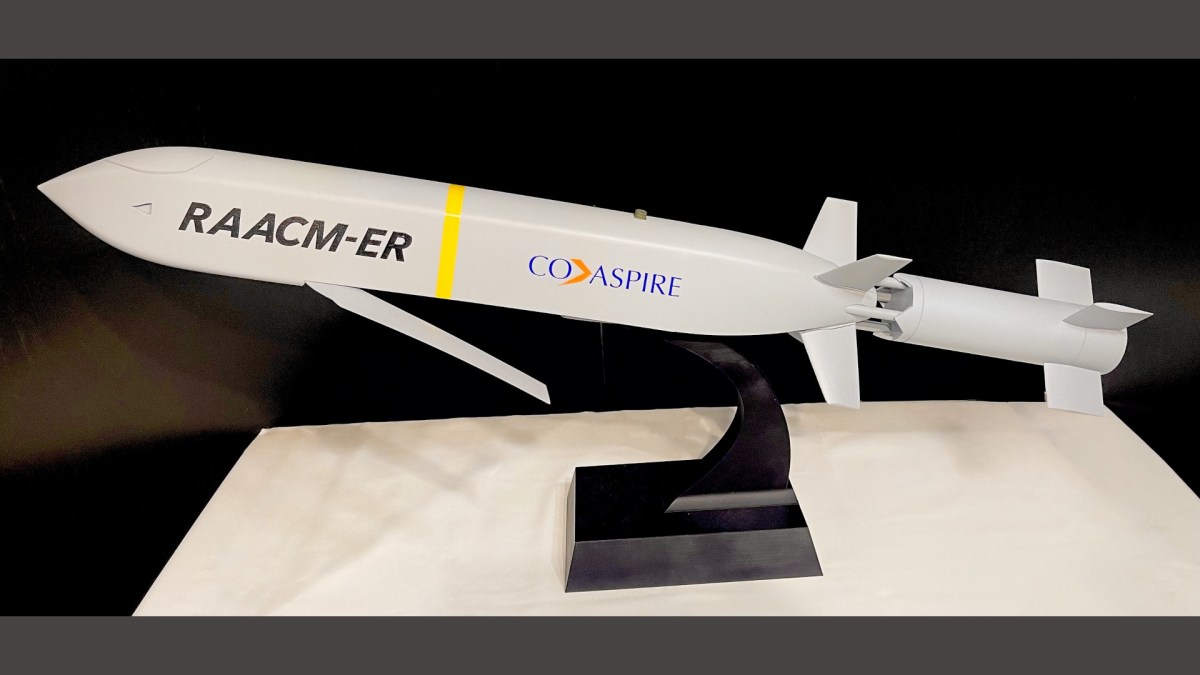
رهان جديد على أسلحة الضرب الميسورة
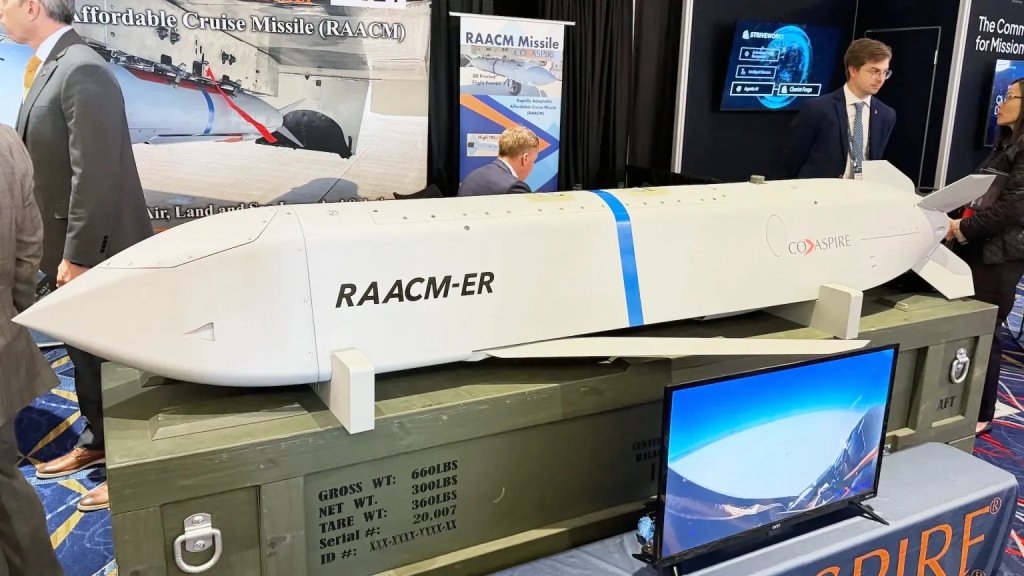
تضع البحرية الأمريكية 70 مليون دولار في تطوير نسخة تُطلق من البر من صاروخ CoAspire المعروف باسم Rapidly Adaptable Affordable Cruise Missile-Extended Range، أو RAACM-ER، وذلك ضمن برنامج يستهدف في الأساس الحلفاء والدول الشريكة. ووفقًا للنص المصدر المرفق، يأتي هذا التمويل عبر اتفاقية معاملات أخرى مرتبطة ببرنامج البحرية للضرب الهجومي الميسور التغاير الائتلافي، المعروف باسم CHAOS.
الفكرة الأساسية وراء CHAOS واضحة: تزويد القوات البرية الصديقة بطريقة أقل كلفة لضرب السفن المتحركة والأهداف البرية على مدى بعيد. وهذا يضع الجهد عند تقاطع مشكلتين دفاعيتين مستمرتين. الأولى هي التكلفة المرتفعة للذخائر الدقيقة الحديثة، ولا سيما عندما يبدأ المخططون بالتفكير في صراع ممتد بدلًا من عمليات قصيرة. أما الثانية فهي الحاجة إلى توسيع قدرة الحلفاء على تنفيذ الضربات في مناطق تدفع فيها التهديدات البحرية والأهداف المشتتة وقيود الوصول الجيوش إلى التفكير بما يتجاوز القوة الجوية التقليدية ومنصات الإطلاق البحرية.
ويبدو أن RAACM-ER مصمم لاحتلال هذه المساحة. فقد كُشف عن الصاروخ في وقت سابق من عام 2026، والجهد الجديد المدعوم من البحرية ينقله إلى مرحلة أولية أكثر تحديدًا. وقالت CoAspire إن العمل سيشمل التصميم والبناء والاختبار والتسليم لنظام صاروخي كروز ميسور، يُطلق من البر وبمدى متوسط، وقادر على مهاجمة الأهداف البرية والبحرية المتحركة على حد سواء.
ما الذي تشير إليه الصفقة
يصف النص المصدر هذا التمويل بأنه اتفاقية معاملات أخرى بقيمة 70 مليون دولار كنموذج أولي، مع CMG Networks نيابة عن Naval Aviation Systems Consortium. وغالبًا ما تُستخدم اتفاقيات OTAs من قبل وكالات الحكومة الأمريكية عندما ترغب في تسريع البحث والتطوير والنماذج الأولية مقارنة بما قد تسمح به مسارات الشراء التقليدية. عمليًا، يعني ذلك أن البحرية ترى في الفكرة قدرًا كافيًا من الوعود لتسريع العمل من دون انتظار دورة مشتريات أكثر تقليدية، وغالبًا أبطأ.
لكن هذا لا يعني بالضرورة أن الصاروخ يتجه مباشرة إلى نشر واسع. فما زالت منح النماذج الأولية أدوات لتقليل المخاطر. غير أنها تكشف الأولويات، والأولوية هنا لافتة: سلاح ضرب يُصاغ صراحةً حول القدرة على تحمّل الكلفة، وقابلية التوسع، والاستخدام الائتلافي.
ويقول وصف CoAspire نفسه، كما ورد في المادة المصدرية، إن العملاء المقصودين عبر المبيعات العسكرية الخارجية هم الحلفاء وشركاء الائتلاف الذين يحتاجون إلى سلاح فعال للضرب البحري يمكن تصنيعه على نطاق واسع. وهذه الصياغة مهمة. فالبحرية لا تمول مجرد مشروع صاروخي آخر لمهمة أمريكية ضيقة النطاق، بل تدعم برنامجًا يأخذ قابلية التصدير والإنتاج الكمي في الحسبان منذ البداية.
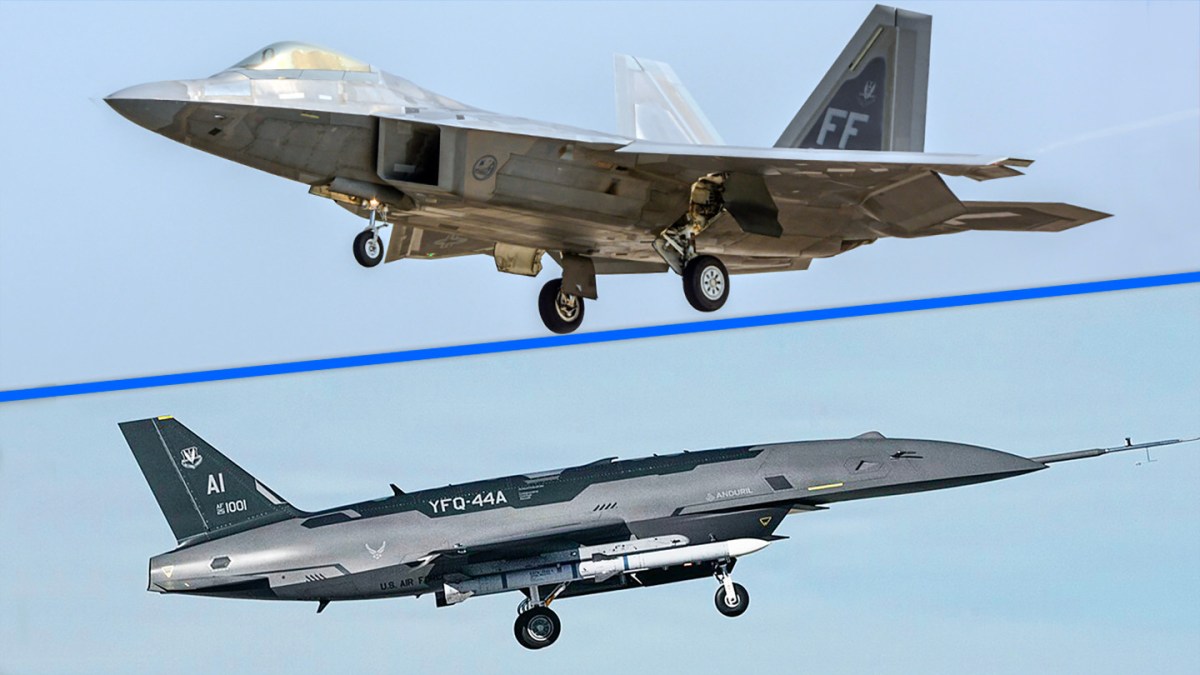
لماذا يهم الحلفاء في هذا التصميم
المبرر الاستراتيجي واضح وسهل الفهم. فكثير من حلفاء الولايات المتحدة يواجهون ضغوطًا متزايدة لتحسين الدفاع الساحلي بعيد المدى والقدرة على الضرب المضاد للسفن من دون دفع أسعار مرتفعة جدًا لكل صاروخ. وفي صراع يتضمن عمليات بحرية موزعة، يمكن لقدرة القوات البرية الشريكة على تهديد السفن المعادية من الساحل أن تعقد تخطيط الخصم وتزيد عدد نقاط الإطلاق التي يجب عليه أخذها في الحسبان.
كما يمنح الصاروخ الكروز المُطلق من البر قدرًا من المرونة. إذ يمكن نشره وتحريكه وإخفاؤه بسهولة أكبر من بعض البدائل الثابتة، كما يقلل الاعتماد على الطائرات المأهولة أو القطع البحرية الكبيرة لتنفيذ حزمة الضرب. وبالنسبة للجيوش الأصغر، أو للجيوش التي تحاول إطالة موارد ميزانياتها المحدودة، فإن صاروخ كروز أقل كلفة قادر على الاشتباك مع الأهداف البحرية والبرية يعد عرضًا جذابًا.
وتشير مشاركة البحرية إلى أن الأمر لا يتعلق فقط بتعزيز ترسانات الشركاء. بل يتعلق أيضًا بتقاسم الأعباء وبناء بنية أوسع للضرب الائتلافي. فإذا تمكنت القوات الحليفة من نشر أسلحة هجومية أكثر ميسورية وبأعداد ذات معنى، فإن صورة الردع الشاملة تتغير. ويكتسب ذلك أهمية خاصة في المسارح التي قد يعتمد فيها تحقيق السيطرة البحرية على مساهمة وحدات موزعة عديدة في مشكلة الاستهداف والاشتباك.
الصاروخ نفسه
يصف النص المصدر المرفق RAACM-ER بأنه صاروخ كروز يعمل بمحرك توربوجيت، وله جسم شبه منحرف يذكّر، من حيث الخطوط العامة، بعائلة AGM-158 Joint Air-to-Surface Standoff Missile من Lockheed Martin. ولا ينبغي المبالغة في هذه المقارنة؛ فالنص نفسه يطرحها بوصفها تشابهًا بصريًا عامًا لا ادعاءً بتطابق في القدرات أو الأصل التصميمي. ومع ذلك، فهي توحي بهيئة خارجية مُحسنة للطيران الفعال والضرب بعيد المدى، لا لصاروخ بسيط منخفض المستوى مخصص لساحة المعركة.
الأهم من الشكل هو الدور الذي يُبنى الصاروخ لأدائه. فالنسخة المدعومة من البحرية من المفترض أن تُطلق من البر، وأن تكون متوسطة المدى، وأن تكون قادرة على مهاجمة الأهداف البحرية المتحركة وكذلك الأهداف البرية الثابتة أو المتحركة. وضرب السفن هو الجزء الأكثر تعقيدًا تقنيًا من هذه الحزمة، لأن الاشتباك مع الأهداف البحرية يتطلب عادة مزيجًا موثوقًا من الاستهداف والتوجيه والسلوك النهائي. وحقيقة أن البرنامج يركز على السفن المتحركة تعني أن البحرية تريد شيئًا أكثر صلة بالواقع العملياتي من مجرد سلاح تصدير للهجوم الأرضي فقط.
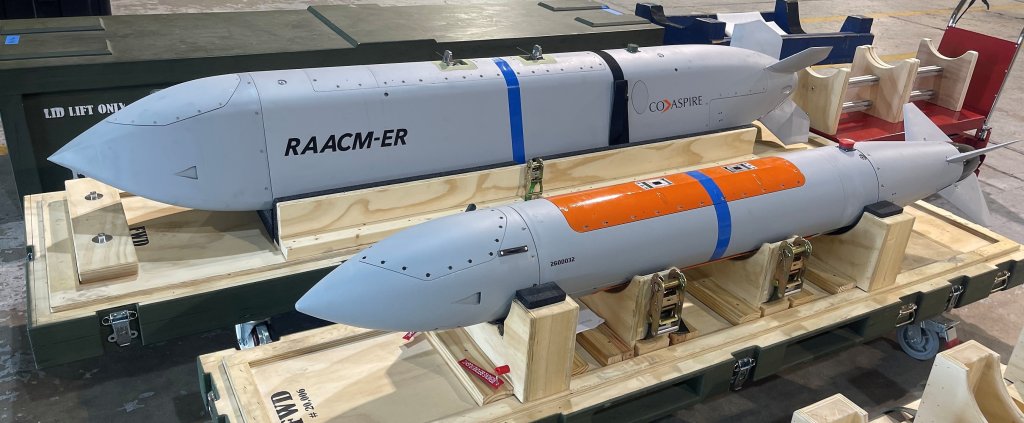
وفي الوقت نفسه، تبقى الميسورية عنصرًا مركزيًا. ويمكن القول إنها السمة الحاسمة للمشروع. فقد أمضت الجيوش الغربية سنوات وهي تحاول حل الفجوة بين الأداء المتفوق للذخائر الأعلى مستوى وبين الكميات التي يمكن شراؤها بصورة واقعية. وقد يكون صاروخ جيد بما يكفي، قابل للتكيف، وأسهل في التصنيع على نطاق واسع، أكثر فائدة استراتيجية في بعض السيناريوهات من مخزون أصغر من أسلحة باهظة جدًا.
أسئلة مفتوحة لا تزال قائمة
يشير النص المصدر إلى أنه ليس معروفًا علنًا ما إذا كانت البحرية قد اختارت شركات أخرى للاستمرار ضمن CHAOS أيضًا. وهذه الضبابية مهمة لأنها تبقي المجال التنافسي غير واضح إلى حد ما. فاختيار أوسع لعدد من المتقدمين سيعني أن البحرية تتحوط عبر مفاهيم متعددة. أما اختيار بارز واحد فقد يدل على ثقة مبكرة أقوى في نهج CoAspire. وحتى الآن، لا تدعم المعلومات المتاحة إلا الاستنتاج الأضيق بأن RAACM-ER حصل على تمويل أولي مهم مدعوم من البحرية.
هناك أيضًا أمور أخرى غير معروفة. فالمادة المرفقة لا تقدم مدى معلنًا، ولا معمارية توجيه مفصلة، ولا جدول إنتاج، ولا إطارًا زمنيًا مخططًا للدخول في الخدمة. كما لا تذكر أي الحلفاء قد يتلقون الصاروخ في النهاية عبر المبيعات العسكرية الخارجية، ولا تشرح كيف سيُدمج النظام في شبكات الاستهداف الخاصة بالشركاء. وهذه الفجوات طبيعية في مرحلة النموذج الأولي، لكنها تحدد الطريقة التي ينبغي أن يُقرأ بها الإعلان: باعتباره خطوة برنامجية مهمة، لا محطة عملياتية نهائية.
ماذا يعني ذلك لسوق الصواريخ الأوسع
حتى مع هذه التحفظات، يشير التمويل بوضوح إلى اتجاه الطلب. فالجيوش تريد ذخائر ليست دقيقة فحسب، بل قابلة للشراء بأعداد كبيرة. وتريد أنظمة يمكن مشاركتها عبر التحالفات، وتكييفها مع أنماط إطلاق مختلفة، واستخدامها ضد أهداف برية وبحرية على حد سواء. كما تريد مسارات شراء يمكن أن تتحرك أسرع من نماذج الشراء التقليدية.
ويقع CHAOS وRAACM-ER مباشرة ضمن هذا الاتجاه. فالبحرية تشير عمليًا إلى أن قدرة الضرب الهجومي الميسورة للشركاء لم تعد مسألة شراء ثانوية. إنها تصبح جزءًا من الطريقة التي يُبنى بها الردع الائتلافي. وإذا أدى صاروخ CoAspire كما هو متوقع في التصميم والاختبار، فقد يتحول المشروع إلى نموذج لبرامج الضرب الدقيقة المستقبلية الموجهة للتصدير: أقل كلفة، قابلة للتوسع، متعددة المهام، ومصممة عمدًا لتبني الحلفاء لها منذ البداية.
وفي الوقت الراهن، تبقى الحقيقة الأكثر تحديدًا هي قرار التمويل نفسه. فقد اختارت البحرية دعم نموذج أولي لصاروخ RAACM-ER يُطلق من البر ضمن برنامج يركز على مساعدة الحلفاء في التسلح بخيارات ضرب بعيدة المدى أقل كلفة. وفي بيئة دفاعية تتشكل بصورة متزايدة بفعل عمق المخزون، وجاهزية الائتلاف، ومنع الوصول البحري، يعد ذلك تطورًا مهمًا.
هذه المقالة مستندة إلى تقرير من twz.com. اقرأ المقال الأصلي.
Originally published on twz.com