ألمانيا تخفف اختناقًا عمليًا أمام الطاقة الشمسية القابلة للتوصيل
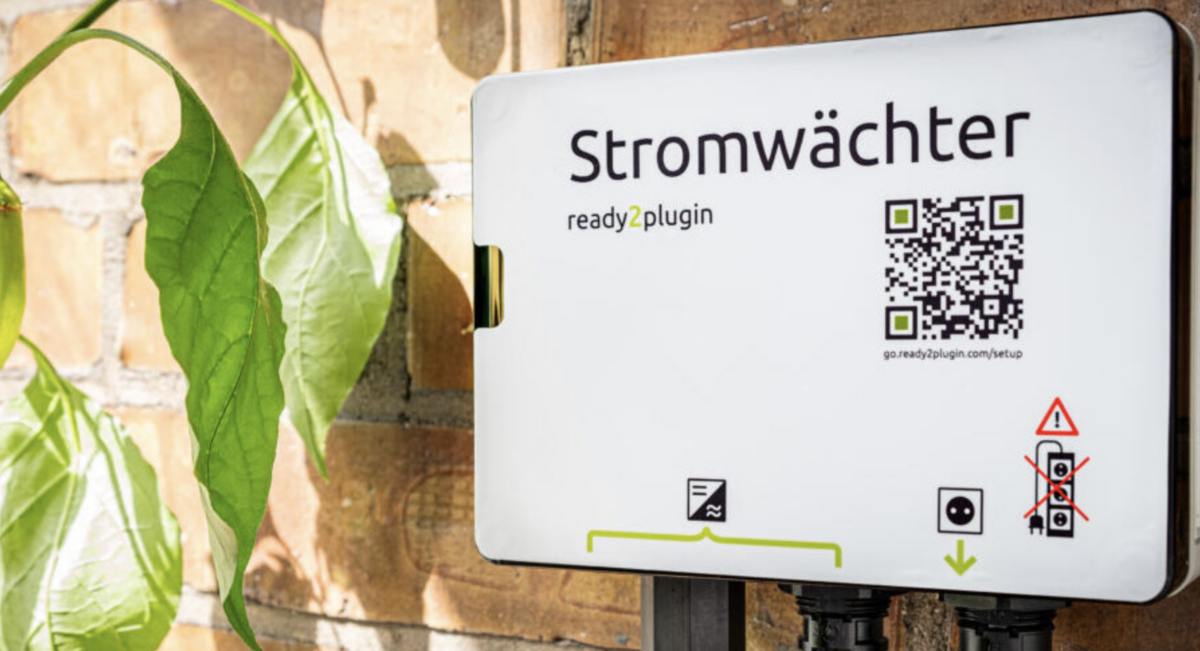
عدلت ألمانيا معيار الشبكة لديها للسماح بتركيب وتسجيل أنظمة طاقة شمسية كهروضوئية قابلة للتوصيل أكبر بكثير من دون الحاجة إلى كهربائي، وفقًا لمشاركين في الصناعة نقلت عنهم مجلة pv magazine. هذا التغيير لا يزيل كل القيود، لكنه يبسط العملية لفئة من أنظمة التوليد الصغيرة وقد يجعل إعدادات الطاقة الشمسية مع التخزين التي يثبتها المستخدم نفسه أكثر عملية للأسر.
التحديث المعني هو VDE-AR-N 4105:2026-03. وبموجب الإطار الجديد، تنطبق عملية توصيل مبسطة على أنظمة التوليد الصغيرة ذات خرج العاكس الذي يصل إلى 800 فولت-أمبير. ووفقًا للنص المصدر المقدم، تمتد هذه العملية المبسطة الآن إلى الأنظمة الكهروضوئية التي تتجاوز 2,000 واط ذروة، والأنظمة التي تتضمن تخزينًا، والأنظمة التي تسعى إلى الحصول على عائد، ويمكن للمشغلين إكمال التسجيل بأنفسهم باستخدام نموذج مخصص.
ما الذي تغير، وما الذي لم يتغير
أكبر تحول هو أن الإطار المعدل يزيل القيود الرسمية على سعة الوحدات ضمن هذه العملية المبسطة. وهذا يعني أن حجم الألواح في النظام لم يعد القيد الرئيسي كما كان سابقًا. ومع ذلك، يظل خرج العاكس محدودًا عند 800 VA للأنظمة القابلة للتوصيل، وهو ما يستمر عمليًا في تحديد أقصى قدرة تغذية إلى الشبكة.
هذا التمييز جوهري. فلم تفتح ألمانيا الباب أمام قدرة تصدير غير محدودة للأنظمة القابلة للتوصيل. ما فعلته هو تسهيل الجمع بين مصفوفة كهروضوئية أكبر وعاكس بقدرة 800 VA، خاصة عند تضمين التخزين. في هذا التكوين، يمكن توجيه المزيد من التوليد نحو الاستهلاك الذاتي أو شحن بطارية بدلًا من تصديره إلى الشبكة.
يقول النص المصدر إن تقديرات الصناعة تشير إلى أن أنظمة تصل إلى 10 كيلوواط قد تصبح ممكنة عمليًا في ظل مجموعة القواعد المعدلة عندما تُدمج قدرة كهروضوئية أعلى مع التخزين. ويجب قراءة هذا الرقم بعناية. فهو لا يعني أن نظامًا قابلاً للتوصيل بقدرة 10 كيلوواط يمكنه ضخ كل هذه الطاقة إلى الشبكة ضمن قواعد مبسطة. يظل حد العاكس البالغ 800 VA قائمًا. وبدلًا من ذلك، يشير إلى أن التكوينات الأكبر خلف العداد قد تصبح الآن أكثر قابلية للتطبيق من دون إجبار المستهلكين على مسار تركيب وتسجيل أكثر تعقيدًا.

لماذا يهم هذا الأسر
أصبحت الطاقة الشمسية القابلة للتوصيل، المرتبطة غالبًا بأنظمة شمسية للشرفات ومصفوفات صغيرة يثبتها المستخدم بنفسه، جذابة لأنها تخفض حاجز الدخول أمام الأسر التي تريد قدرًا من التوليد المحلي. كانت القواعد السابقة تحد من مدى قدرة هذه الفكرة على التوسع. ومع زيادة حجم الأنظمة أو إضافة التخزين أو السعي إلى الحصول على عائد، كانت التعقيدات الإجرائية تزداد وقد تصبح متطلبات التركيب المهني عائقًا.
يبدو أن المعيار المعدل مصمم لتقليل هذا الاحتكاك. فمن خلال السماح للمشغلين أنفسهم بإكمال التسجيل عبر نموذج مخصص، تنقل ألمانيا جزءًا من العبء الإداري بعيدًا عن الكهربائيين المرخصين بالنسبة للأنظمة المؤهلة. وقد يؤدي ذلك إلى خفض التكاليف، وتسريع التبني، وتوسيع أنواع التكوينات المنزلية للطاقة الشمسية التي يراها المستهلكون قابلة للتطبيق.
التخزين جزء من القصة
أحد أكثر التفاصيل أهمية في النص المصدر هو أن العملية المبسطة تنطبق الآن صراحة على الأنظمة المزودة بالتخزين. وتغير البطاريات اقتصاديات وسلوك الأنظمة الشمسية الصغيرة تقنيًا لأنها تسمح بتخزين الكهرباء محليًا بدلًا من تصديرها فورًا. وتحت حد عاكس يبلغ 800 VA، يمكن أن يكون التخزين مفيدًا بشكل خاص لأنه يتيح للأسر تركيب قدرة أكبر من الألواح مع إبقاء حقن الكهرباء في الشبكة ضمن الحد المسموح.
وهذا يعني أن تحديث القاعدة ليس مجرد تعديل للألواح. بل قد يفتح الباب لفئة أكثر مرونة من أنظمة الطاقة المنزلية المبنية حول الاستهلاك الذاتي. ولا يحدد النص المصدر المقدم حجم التبني المحتمل، لكنه يدعم الاستنتاج بأن القاعدة تهدف إلى جعل الأنظمة القابلة للتوصيل الأكبر والأكثر فائدة أسهل في النشر.
يمكن لتبسيط السياسة أن يعيد تشكيل الأسواق
غالبًا ما تحظى المعايير الفنية باهتمام عام أقل من برامج الدعم، لكنها قد تكون مؤثرة بالقدر نفسه في تشكيل الأسواق. فالاحتكاك الإداري ومتطلبات التركيب وتعقيد التسجيل كلها تؤثر في ما إذا كان المستهلكون سيتصرفون أم لا. ومن خلال مراجعة المعيار لتبسيط الأهلية والتسجيل، قد تمنح ألمانيا سوق الطاقة الشمسية الصغيرة دفعة إجرائية بدلًا من دفعة مالية.
يقدم النص القاعدة على أنها تفتح الباب أمام أنظمة PV قابلة للتوصيل أكبر. وهذه عبارة ذات معنى، لأن التأثير الأكبر قد يكون على قرارات تصميم النظام. يستطيع المستهلكون والموردون الآن التفكير بما يتجاوز إعدادات الألواح الصغيرة جدًا مع البقاء ضمن مسار تسجيل يسهل الوصول إليه، شريطة احترام حد العاكس.
القيود لا تزال مهمة
على الرغم من جاذبية العنوان، فإن القاعدة ليست دعوة للتعامل مع الأنظمة القابلة للتوصيل كما لو كانت أنظمة أسطح سكنية غير مقيدة. يظل حد العاكس البالغ 800 VA هو الحد الحاكم لتغذية الشبكة. وهذا يعني أن من يفسر التغيير على أنه تحرير كامل سيكون مبالغًا. والأفضل فهم المعيار المعدل على أنه تبسيط مستهدف يوسع ما يمكن وضعه خلف هذا الحد، لا سيما عندما يكون التخزين جزءًا من التكوين.
وسيكون لهذا التدرج أهمية في كيفية استجابة المثبتين ومصنعي المنتجات والمستهلكين. فالنتيجة الأكثر احتمالًا على المدى القريب ليست موجة من أنظمة التصدير القابلة للتوصيل الضخمة، بل زيادة تدريجية في الإعدادات الأكثر قدرة والموجهة نحو الاستهلاك الذاتي والتي تظل سهلة التسجيل.
تطور عملي في الطاقة الموزعة
يمثل التحديث الألماني مثالًا جيدًا على كيفية تطور سياسة الطاقة الموزعة من خلال تحسين القواعد بدلًا من إصلاح تشريعي جذري. ومن خلال الإبقاء على حد العاكس مع تخفيف القيود الأخرى، يبدو أن الجهات التنظيمية تحقق توازنًا بين الحذر على الشبكة ومرونة المستهلك. وقد يثبت هذا التوازن تأثيره مع سعي المزيد من البلدان إلى إيجاد طرق لتشجيع الطاقة الشمسية الصغيرة والتخزين من دون تعقيد الامتثال بشكل مفرط.
بالنسبة لألمانيا، تكمن الأهمية الفورية في أمر واضح. فالأسر والمشغلون الصغار لديهم الآن مسار أبسط لتركيب وتسجيل أنظمة طاقة شمسية كهروضوئية قابلة للتوصيل أكبر، بما في ذلك الأنظمة المزودة بالبطاريات، من دون الحاجة إلى كهربائي للتعامل مع خطوة التسجيل. وفي سوق غالبًا ما تحدد فيه سهولة المشاركة حجم الإقبال، قد يكون لهذا التغيير الإجرائي أثر أكبر من المتوقع.
هذه المقالة مبنية على تقرير PV Magazine. اقرأ المقال الأصلي.
Originally published on pv-magazine.com