France ties energy security to industrial expansion
France is preparing a broad push to increase the share of electricity it produces domestically by 2030, framing the effort as both an energy-security measure and an industrial strategy. The plan, as described in recent remarks from President Emmanuel Macron and government reporting cited by Reuters, aims for 60% of the country’s electricity to come from domestic sources by the end of the decade.
The timing reflects a difficult European energy backdrop. Russia’s invasion of Ukraine exposed the geopolitical risks of depending on imported fossil fuels, while instability involving Iran and shipping through the Strait of Hormuz has added a second layer of concern around oil supply. In that context, France is presenting electrification not just as a climate project, but as a way to reduce exposure to imported fuels and price shocks.
Support rises across transport, heating and industry
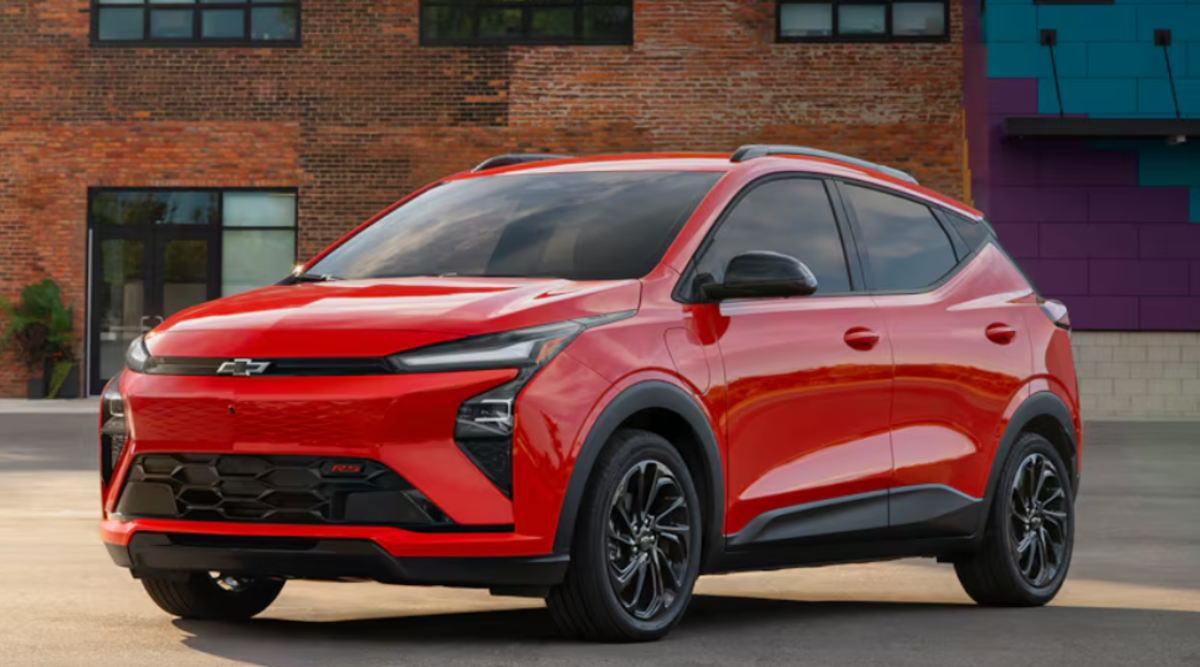
The plan is not limited to the power sector. It links electricity supply growth to a wider shift away from technologies that depend directly on oil and gas. The government’s approach includes expanding electric vehicle charging, increasing electric radiator production and ramping up heat-pump manufacturing to 1 million units by 2030.
Reuters reported that state support would double to 10 billion euros a year through 2030. That funding is intended to help reduce dependence on imported fossil fuels while boosting electricity use in transport, heating and industry. The direction of travel is clear: more power generated at home, and more parts of the economy designed to run on it.
That makes the plan different from narrower subsidy programs. It is not simply about encouraging cleaner consumer choices. It is an attempt to rework the underlying energy system so that French households, factories and vehicles rely more heavily on power produced inside the country rather than on imported hydrocarbons.

Industry is being pulled into the transition
France is also casting the strategy as a jobs and competitiveness program. Macron said the transformation involves 6,000 companies and could create or maintain more than 600,000 jobs. That language matters. European governments increasingly understand that energy transition policies land more effectively when they are tied to employment, manufacturing and strategic autonomy rather than presented only as emissions policy.
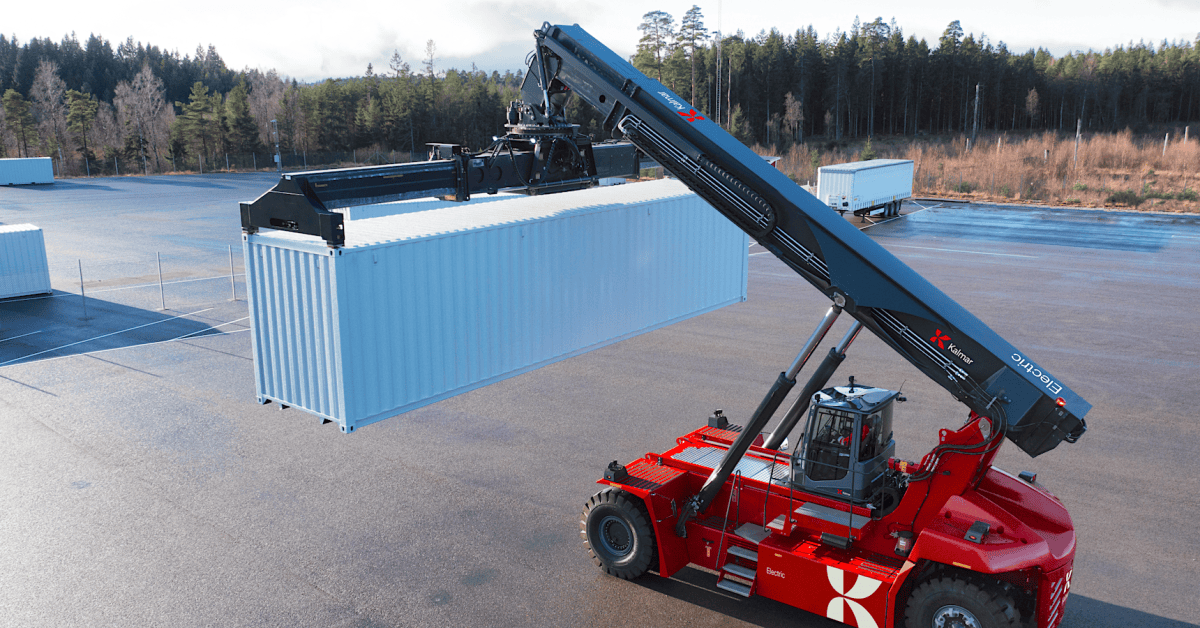
Several companies are already being positioned within the push. Stellantis said it would produce a new generation of electric vehicles at its Mulhouse factory in eastern France. EDF, meanwhile, is investing 240 million euros to accelerate electrification, including support for heat pumps, heavy-duty electric trucking and more EV charging infrastructure.
Those examples show how France is trying to build domestic industrial capacity around the shift. The strategy only works politically if businesses can see demand, if workers can see jobs and if consumers can see practical infrastructure appearing alongside policy announcements.
Why this matters beyond France
France already enters this transition with structural advantages. It has an established nuclear fleet and a long history of centralized energy planning, which makes a state-backed electrification campaign easier to organize than in countries with more fragmented power systems. Adding renewable generation and electrifying transport and heating allows Paris to argue that the country can improve resilience while preserving industrial capacity.
The plan also fits a broader European pattern. Across the continent, governments are reconsidering what energy independence actually means. It is no longer only about diversifying gas supply routes or building fuel reserves. It increasingly means producing more electricity at home and redesigning end uses so homes, vehicles and factories can run on that electricity.
That shift carries risks. Large-scale electrification requires grid upgrades, capital discipline, permitting speed and supply chains that can actually deliver chargers, heat pumps and industrial equipment on time. It also depends on electricity staying affordable enough to persuade households and companies to switch. But the French government appears to be betting that the cost of moving late would be higher than the cost of moving now.
A strategic bet on electrification
What emerges from the French plan is a view of electricity as the central strategic fuel of the next decade. Rather than treating transport, heating and industrial policy as separate files, Paris is trying to connect them through one organizing principle: produce more power domestically, then use that power everywhere fossil fuels can be displaced.
If France can execute, the result would be more than a cleaner energy mix. It would mean a country less exposed to foreign supply disruptions, more capable of directing industrial investment and better positioned to turn energy transition into a domestic economic asset. That is the real significance of the plan. It is not merely an emissions target. It is an attempt to make electrification serve national resilience.
This article is based on reporting by CleanTechnica. Read the original article.
Originally published on cleantechnica.com